Vanguard Lift Vanguard Lift

2026 Best Freight Lift Maximum Weight Guidelines to Know?

Time:2026-05-31 Author:Aria
0%

Understanding the maximum weight for a standard freight lift is crucial for safety and efficiency in logistics. John Smith, a leading expert in freight elevator design, emphasizes, “Knowing the weight limits prevents accidents and ensures smooth operations.” Freight lifts are designed with specific weight capacities that vary by model and manufacturer.

The guidelines for maximum weight can differ significantly. Factors such as the lift’s construction, materials, and intended use all play vital roles. It is essential to consult the manufacturer’s specifications and industry standards. Not adhering to these guidelines can lead to dangerous situations, including equipment failure and endangerment of personnel.

Many businesses are unaware of the nuances in freight lift specifications. This can result in using the wrong lift for a job, leading to costly mistakes. Between optimizing loading practices and ensuring compliance, recognizing "what is the maximum weight for a standard freight lift" becomes a key responsibility. Awareness and education in this area are necessary for any workplace utilizing freight lifts.
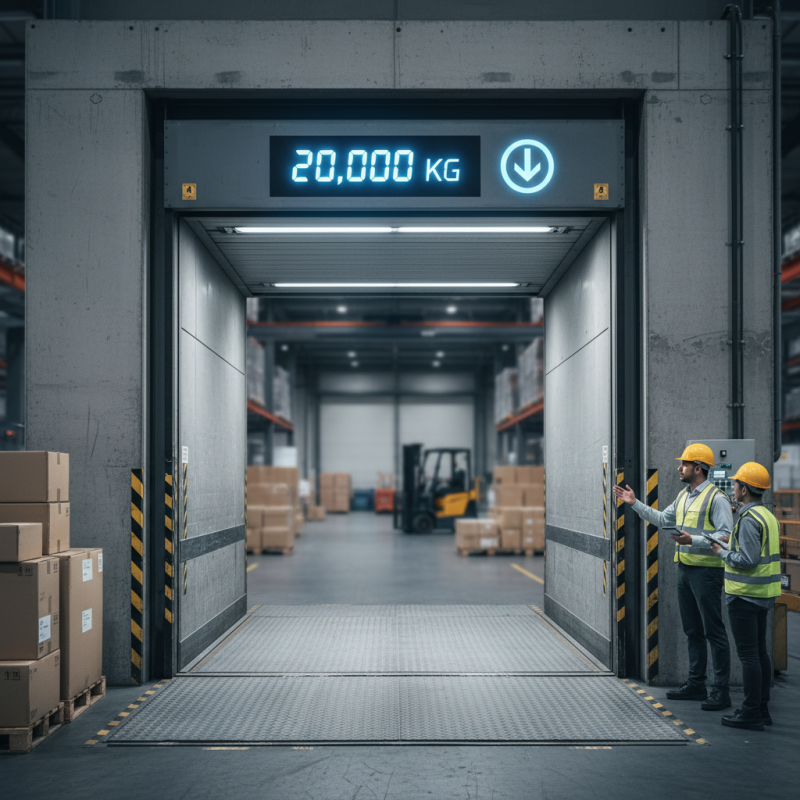
2026 Best Freight Lift Maximum Weight Guidelines to Know?

Understanding Freight Lift Capacity: What You Need to Know

Understanding freight lift capacity is crucial for safe and efficient operations. Freight lifts come in various sizes and strengths. Knowing their weight limits helps prevent accidents. A freight lift's maximum weight capacity usually depends on its design and intended use. For example, some lifts are built for heavy construction materials, while others handle lighter goods.

When choosing a freight lift, consider its specifications. Always check the manufacturer's guidelines. They often provide weight limits based on safety standards. Misjudging the weight can lead to equipment failure or injury. Some operators may overlook these details, thinking a few extra pounds won't matter. However, this can lead to costly mistakes.

Capacity isn't the only factor. The lift's dimensions and stability also matter. A larger load may require a bigger platform. Operators should regularly inspect the lift to ensure it meets safety standards. Ignoring maintenance can result in unexpected downtime. Reflecting on operational practices can lead to improvements. Prioritizing safety and compliance ultimately enhances efficiency in any industry.

2026 Best Freight Lift Maximum Weight Guidelines

The following chart illustrates the maximum weight capacity for different types of freight lifts in 2026. This information helps businesses choose the appropriate lift based on their needs.

Factors Affecting Maximum Weight Limits for Freight Lifts

When considering freight lifts, understanding the factors that affect their maximum weight limits is crucial. Various aspects such as lift design, materials, and mechanical components all play a role. For instance, heavy-duty steel frames typically support higher loads compared to lighter materials. According to a 2022 report by Freight Industry Analysis, most commercial freight lifts have a maximum weight capacity ranging between 2,000 to 10,000 pounds.

Another significant factor is the lift's intended use. Freight lifts designed for industrial environments often accommodate heavier loads than those meant for office settings. Elevation requirements also matter. Lifts operating at greater heights may need additional structural support to ensure safety and stability. A study from the National Institute of Lifting Technology found that over 25% of accidents stem from overloading lifts.

Tips: Always perform regular inspections on freight lifts to ensure compliance with safety standards. Familiarize yourself with the weight capacity before loading. Using lighter, well-distributed loads can reduce stress on lift components and prolong its life.

Industry Standards and Regulations for Freight Lift Weight Guidelines

When it comes to freight lift weight guidelines, understanding industry standards is crucial. The maximum weight capacity often varies by type of lift, typically ranging from 2,000 to 10,000 pounds. According to the Material Handling Institute, the average freight elevator can handle about 5,000 pounds, but this number can significantly differ based on specific model designs and usage.

Choosing the right lift for your needs involves analyzing your typical cargo weight and dimensions. Ensure you review the American Society of Mechanical Engineers (ASME) standards, which provide essential safety measures for freight elevator use. It's important to avoid overloading, as this can lead to mechanical failure and safety hazards.

Tip: Regular inspections of lift capacity can help prevent accidents. Also, always consult with a structural engineer before installation. Be aware that outdated lifts may not comply with current regulations, leading to excess risk. Not all lifts are created equal; always question if your current lift meets today's standards.

Calculating Load Distribution for Safe Use of Freight Lifts

Calculating load distribution is essential for the safe operation of freight lifts. Understanding how weight is spread over the lift platform helps prevent accidents. Each freight lift has a maximum weight capacity. Exceeding it can lead to failures. Knowing the weight of different items being transported is crucial.

When loading a freight lift, distribute the weight evenly. Place heavier items at the center and lighter ones around them. This technique reduces the risk of tipping. It also maintains stability while the lift is in operation. Occasionally, users forget to check the load balance and face complications. Attention to detail is vital.

In practice, workers should regularly assess the surrounding area before loading. They should ensure the platform is clear. This practice safeguards both equipment and personnel. A misplaced load can cause unexpected stress on the lift mechanism. Awareness of load distribution can greatly improve safety standards. Regular training and updates can reinforce this knowledge among operators.

2026 Best Freight Lift Maximum Weight Guidelines to Know

Freight Lift Type Maximum Load Capacity (lbs) Load Distribution Guidelines Recommended Safety Measures
Freight Lift Type A 2000 lbs Evenly distribute load across the platform Regular maintenance checks and load testing
Freight Lift Type B 3000 lbs Center loading is preferred Use proper PPE when operating
Freight Lift Type C 4000 lbs Ensure no overloading on one side Operator training for emergency situations
Freight Lift Type D 5000 lbs Load should not exceed maximum weight limit Routine inspections and operator certifications

Tips for Selecting the Right Freight Lift Based on Weight Needs

When selecting the right freight lift, understanding weight needs is crucial. Each freight lift has a maximum weight capacity. This information is essential for preventing accidents and damage. Knowing the total weight of the goods helps in selecting the right lift. Overloading can lead to mechanical failure and safety hazards. Always verify the specifications provided in the product details.

Consider the types of materials you typically transport. Heavy, bulky items may require lifts designed for higher capacity. For lighter goods, standard models may suffice. Pay attention to the dimensions as well. The lift's platform size should accommodate your typical loads easily. Some users overlook this aspect, leading to inefficient transport.

Finally, think about future needs. Will your weight requirements change over time? Opting for a freight lift with a higher capacity than currently needed can save you from making an upgrade soon. However, be cautious of excess capacity. It might not be budget-friendly or space-efficient. Balancing current and future needs is key.

FAQS

: What is freight lift capacity?

: Freight lift capacity refers to the maximum weight a lift can safely carry. It's crucial for safe operations.

How can I determine the weight limit of a freight lift?

Review the manufacturer's guidelines. They specify weight limits based on safety standards and intended lift use.

What happens if I exceed the weight limit?

Exceeding the weight limit can cause equipment failure, accidents, or injuries. It’s a costly mistake to overlook.

What factors should I consider when choosing a freight lift?

Consider the lift's specifications, dimensions, stability, and your typical cargo weight. Don't ignore these details.

How often should I inspect a freight lift?

Regular inspections are essential. They help ensure compliance with safety standards and prevent unexpected downtime.

Why is load distribution important when using a freight lift?

Proper load distribution prevents tipping and maintains stability. Center heavier items to enhance safety during operation.

How can I load a freight lift safely?

Load items evenly and check the balance. Clear the platform before loading to promote safe operations.

What are the potential risks of using outdated lifts?

Outdated lifts may not meet current regulations, increasing the risk of accidents and mechanical failure. Regular updates are necessary.

Should I consult an engineer before installing a lift?

Yes, consulting a structural engineer ensures safety and compliance with industry standards for your freight lift installation.

How does regular training benefit freight lift operators?

Regular training reinforces knowledge on safety practices and load distribution, helping improve overall operational safety.

Conclusion

The article "2026 Best Freight Lift Maximum Weight Guidelines to Know?" delves into crucial aspects of freight lift capacity, addressing the essential question, "what is the maximum weight for a standard freight lift." It outlines the factors that influence maximum weight limits, including design specifications and safety standards. Additionally, the piece discusses industry regulations that ensure freight lifts are safe for use in various settings.

Moreover, the article emphasizes the importance of calculating load distribution to maintain safety when operating freight lifts. It provides practical tips for selecting the right freight lift based on specific weight requirements, helping users make informed decisions tailored to their needs. By understanding these guidelines, businesses can enhance operational safety and efficiency in their freight handling processes.

Aria

Aria

Aria is a dedicated marketing professional with a deep passion for innovative strategies and a keen understanding of our company's product offerings. With a wealth of experience in the industry, Aria excels at crafting engaging content that highlights the unique features and benefits of our......