Vanguard Lift
Choosing the right elevator changes how an apartment building feels every day. Residents notice waiting time, hallway noise, vibration, and service interruptions. Owners notice energy bills, usable floor area, and long-term maintenance costs. That is why this guide asks: why choose a machine roomless elevator for apartments?
A machine roomless elevator places its compact traction machine inside the hoistway. This can remove a separate rooftop machine room. The recovered space may support a small terrace, storage area, or better roof planning. The U.S. Department of Energy’s Better Buildings program reports that elevators and escalators can represent roughly 2% to 10% of commercial-building energy use. Actual apartment performance varies, but regenerative drives, standby controls, LED lighting, and efficient motors can reduce unnecessary consumption. ISO 25745-2 also provides a recognized method for evaluating elevator energy performance.
Dr. Albert So, a respected vertical-transportation researcher, offers a useful principle: “Elevator design must serve the building, not merely the elevator.” That point matters. An MRL system is not automatically the best answer. Shaft dimensions, traffic demand, fire strategy, local codes, noise control, and technician access must be checked early. CIBSE Guide D highlights the importance of traffic analysis and whole-life performance. A compact installation may look attractive on a drawing, yet poor access can complicate future repairs. This guide compares the best 2026 MRL options for apartments through practical details, including ride comfort, energy use, reliability, installation space, and service support. Some conclusions may remain imperfect, because suppliers publish different testing conditions and performance claims.
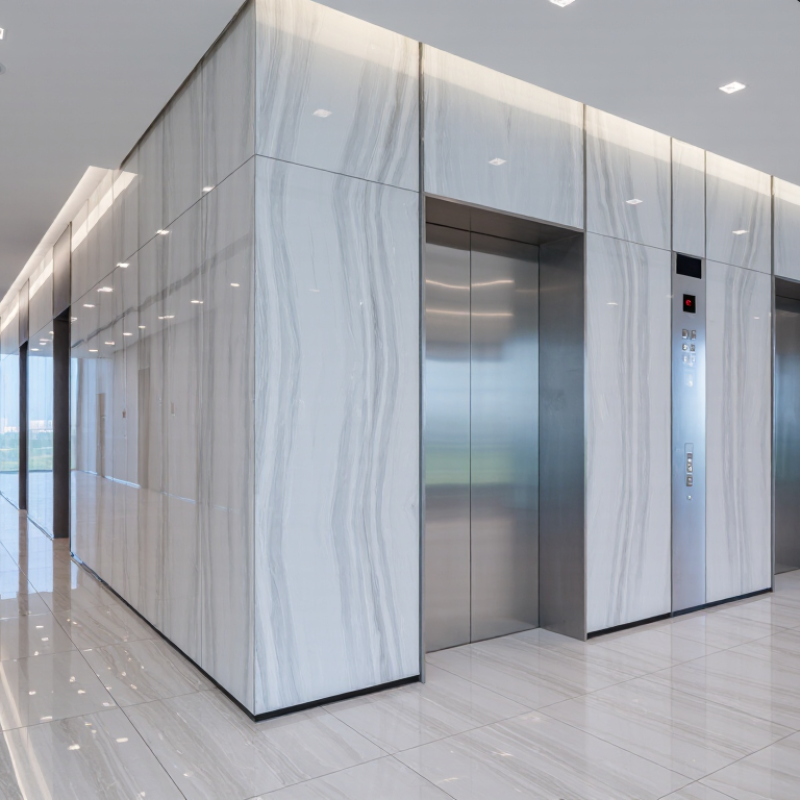
What Are Machine-Room-Less Elevators for Apartment Buildings?
Machine-room-less elevators, or MRL elevators, place the traction machine inside the hoistway instead of a separate machine room. This design can save valuable roof or service-room space in apartment buildings. The motor, controller, and related equipment fit within or beside the shaft. Residents may only notice a quiet car, smooth starting, and doors opening at each floor.
For apartment developers, the main benefit is flexible building planning. A smaller equipment footprint can support more useful space for storage, utilities, or apartments. MRL systems also reduce some construction work, but they are not maintenance-free. Technicians still need safe access to controllers, brakes, and motors. During planning, engineers should check shaft dimensions, expected traffic, emergency procedures, noise levels, and local elevator requirements. A poorly planned layout can make future repairs awkward. That detail is easy to underestimate.
Tips: Measure the proposed shaft early. Ask where technicians will stand during servicing. Check the elevator’s performance during morning and evening traffic. Listen for vibration near bedrooms. Confirm ventilation, drainage protection, and backup lighting. A practical inspection with the design team often reveals problems that drawings miss. Availability of trained service personnel also matters, especially in high-rise apartments.
Machine-Room-Less Elevator Systems for Apartments
Machine-room-less elevators place the lifting equipment inside the hoistway, removing the separate machine room above the building. A compact traction machine moves the car through steel ropes or belts. A counterweight balances much of the car’s load. This reduces energy demand during normal travel.
The controller manages speed, door movement, leveling, and emergency functions. Sensors check position, overspeed, and door locks several times during each trip. Permanent-magnet motors are common because they deliver strong torque from a smaller frame. The equipment still needs ventilation, drainage protection, and safe access for technicians.
Space savings are real. They can create more usable roof area in apartment buildings. However, the design is not automatically better. Shaft dimensions, travel height, traffic volume, and evacuation rules affect the result. One detail is easy to miss. A smaller machine may complicate maintenance access. Field inspections should confirm working clearances, rescue procedures, noise levels, and backup power behavior.
Proper installation requires qualified professionals and compliance with local elevator codes. During apartment planning, engineers should compare expected passenger demand with car capacity and travel frequency. A lightly loaded system may waste space, while an undersized system creates long waits. My practical concern is often overlooked: residents notice vibration and door timing more than technical specifications. Early testing with real traffic patterns can expose problems before occupancy. Performance data should be reviewed after installation, because the first design assumption is not always correct.
In 2026, the best apartment elevator is not simply the fastest one. A machine-roomless layout saves roof space, but space-saving alone proves little. The IEA’s 2024 Global Status Report for Buildings and Construction reports that buildings consume about one-third of global energy. Therefore, efficient standby controls, LED lighting, regenerative drives, and accurate sleep modes deserve close attention. ISO 25745-2 also offers a recognized method for evaluating lift energy performance.
Daily comfort matters just as much.
Low cabin noise, smooth acceleration, precise floor leveling, and short door dwell times reduce frustration during morning traffic. A slight vibration may seem harmless during testing. Residents may disagree after months of use. CIBSE Guide D recommends evaluating lift planning through traffic patterns, waiting times, and building occupancy, not guesswork alone.
Accessibility must be visible in the details. The United Nations’ World Social Report 2023 notes that the global population is ageing rapidly, with older adults forming a growing share of communities. Apartment elevators should provide wide doors, tactile controls, clear voice announcements, strong lighting, and reliable emergency communication. EN 81-70 supports accessibility requirements for users with disabilities. Remote diagnostics can reduce service delays, but data protection and human oversight still matter. Perfect uptime is unrealistic. Good design plans for failure.
Machine-roomless elevators save building space, but they still need careful planning. Safety should guide every comparison. Check emergency lowering, door sensors, overspeed protection, and reliable communication systems. Ask for documented testing and inspection records. Local elevator codes also matter. A compact design is not automatically a safer design.
Capacity must match real apartment use, not just the brochure figure. Measure peak traffic during mornings, move-in days, and deliveries. A lift carrying eight residents may feel crowded with strollers or shopping carts. Speed affects waiting time and ride comfort. Higher speed can help taller buildings, but smooth acceleration often matters more than a fast number.
Accessibility should be tested with real users, not only drawings. A wheelchair user, a child, and an older resident may experience the same cabin differently. Some layouts look compliant but feel awkward in daily use. I would also compare maintenance access, noise levels, and long-term energy use. The cheapest installation can become expensive when service delays affect residents.
Machine-roomless elevators can suit apartments where every square meter matters. Their traction equipment sits inside the hoistway, removing a separate machine room. However, the space saving is not automatically a lower project cost. Hoistway dimensions, pit depth, overhead clearance, power supply, and fire-rated construction still influence the final budget.
The European Lift Association reports that elevators may consume 2% to 10% of a building’s electricity. Standby performance matters in low-rise apartments with long idle periods. The International Energy Agency’s 2023 buildings report also identifies buildings as responsible for about 30% of global final energy demand. Efficient drives and lighting can therefore reduce operating costs. Yet maintenance access deserves careful review. MRL components may be harder to reach inside the shaft, increasing service time. Ask contractors for response times, inspection procedures, replacement-part availability, and five-year maintenance pricing. Local safety rules, including applicable ASME or EN standards, must guide acceptance testing and inspections.
Tips: Request a full lifecycle quote, not only the installation price. Compare pit and overhead requirements on drawings. Check noise levels near bedrooms. Ask who owns emergency equipment training. The cheapest offer may age badly. I would also keep a contingency budget; existing structures rarely match drawings perfectly. A 2024 report from the U.S. Energy Information Administration shows commercial electricity prices vary widely by region, so projected running costs should use local tariffs. Availability matters too. A lift that saves floor area but waits weeks for service is not truly economical.
This chart presents representative planning estimates for machine-roomless elevator projects in apartment buildings. The 10-year ownership view combines initial equipment and installation, routine maintenance, and a modernization reserve. Actual costs depend on the number of stops, travel height, capacity, local labor rates, building access, code requirements, warranty terms, and service coverage.
It should combine safety, comfort, accessibility, energy efficiency, and dependable maintenance. Speed alone is not enough.
Not automatically. They save roof space, but shaft dimensions, pit depth, and maintenance access still affect the project.
Match capacity with real traffic. Observe morning queues, move-in days, deliveries, strollers, and shopping carts. Brochure figures can mislead.
No. Smooth acceleration, quiet travel, and accurate floor leveling often matter more. A fast but jerky ride becomes irritating.
Check wide doors, turning space, reachable controls, tactile buttons, bright lighting, and clear voice announcements. Test them with real users.
Review door sensors, overspeed protection, emergency lowering, backup power, and communication systems. Request inspection and testing records.
Efficient standby modes, LED lighting, regenerative drives, and accurate sleep controls can reduce electricity use. Actual savings need local measurement.
Ask about response times, technician access, spare parts, inspections, and five-year service costs. Hidden delays can erase space savings.
Request a lifecycle quote, including installation, power, repairs, inspections, and service. Keep a contingency budget. Existing structures rarely match drawings perfectly.
No. Good design plans for failure. Reliable communication and controlled return are valuable, though I may underestimate unusual emergencies.
This guide explores the best machine-roomless elevators for apartment buildings in 2026, focusing on how these compact systems operate without a separate equipment room. Their motor, controls, and lifting components are integrated into the hoistway, helping property owners save valuable floor area while supporting efficient vertical transportation. The article explains why choose a machine roomless elevator for apartments, especially when planning space-conscious residential developments, renovations, or buildings with limited structural room.
It also examines the features that define a high-quality apartment elevator, including dependable safety systems, suitable passenger capacity, practical travel speed, quiet operation, energy efficiency, and accessibility for residents with mobility needs. Buyers will learn how to compare technical specifications and evaluate installation requirements, ongoing maintenance, lifecycle costs, emergency functions, and local building-code compliance. By considering both short-term budget and long-term performance, building owners can select an elevator solution that offers comfort, reliability, efficient use of space, and sustainable value for residents.
