 Vanguard Lift
Vanguard Lift
Vanguard Lift
In recent years, the safety of elevator systems has gained increased attention. Industry reports indicate that approximately 30% of elevator accidents occur due to brake system failures. This raises crucial questions about what are the emergency brake systems in modern lifts. These systems are vital for ensuring elevator reliability and passenger safety.
Modern lifts utilize several advanced emergency brake systems. These include mechanical brakes, magnetic brakes, and electronic safety systems. Each type plays a unique role in preventing accidents. For example, mechanical brakes often work automatically when the lift experiences an unexpected failure. Meanwhile, electronic systems can detect irregularities and engage brakes to halt the lift safely. Nevertheless, variations in design and technology can lead to performance discrepancies.
Understanding what are the emergency brake systems in modern lifts is essential for industry stakeholders. Regular maintenance and inspections of these systems are often overlooked. However, ensuring optimal performance can significantly reduce risks. As elevators evolve, ongoing innovation in emergency braking technology is vital. This focus can enhance safety measures and create more reliable systems for urban infrastructure.
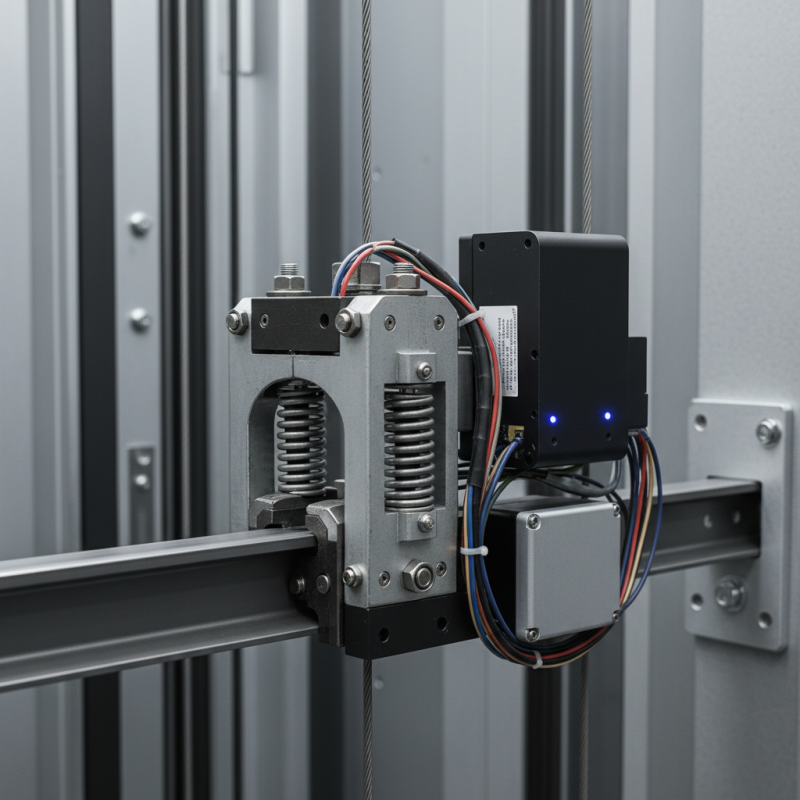
Emergency brake systems in modern lifts are crucial for passenger safety. These systems are designed to immobilize the elevator in case of a failure. There are several types of emergency brake systems currently utilized. One common type is the mechanical brake, which engages when the elevator descends at an uncontrolled speed. This brake typically uses a fail-safe mechanism, ensuring it remains effective.
Another type is the electronic brake system. According to a report by the International Organization for Standardization (ISO), about 30% of modern lifts are now fitted with electronic controls. This technology enhances safety by monitoring the elevator's speed and position in real-time. It can engage the brakes more precisely than mechanical systems alone. However, reliance on electronic systems can introduce vulnerabilities, particularly during power outages.
Hydraulic brake systems are also prevalent in mid-rise applications. These systems rely on hydraulic pressure for operation. While hydraulic brakes provide gradual deceleration, they might not always stop a lift quickly enough in emergencies. In some cases, this delay could lead to safety concerns. Maintaining a balance between efficiency and reliability is essential in designing these systems.
| Type of Emergency Brake System | Activation Method | Response Time | Maintenance Frequency | Typical Applications |
|---|---|---|---|---|
| Mechanical Brake | Gravity-activated | Instantaneous | Monthly | Residential and Small Commercial Lifts |
| Electromagnetic Brake | Electromagnetic actuation | Milliseconds | Quarterly | High-Rise Buildings |
| Hydraulic Safety Brake | Hydraulic pressure release | Immediate | Biannual | Industrial Lifts |
| Recuperative Brake | Regenerative electrical system | Rapid | Annual | New Eco-Friendly Models |
| Failsafe Brake | Automatic engagement upon power failure | Instantaneous | Monthly | Critical Infrastructure |
: Emergency brake systems in lifts ensure passenger safety by immobilizing the elevator during a failure.
Mechanical brakes engage when the elevator descends too quickly. They use a fail-safe mechanism to stay effective.
Electronic brake systems monitor speed and position in real-time. They can engage brakes more precisely than mechanical systems.
Yes, electronic systems can fail during power outages, which may compromise safety.
Hydraulic systems use hydraulic pressure for gradual deceleration. However, they may not stop lifts quickly enough in emergencies.
Mechanical brakes wear over time and require regular maintenance for optimal performance in high-use situations.
Electromagnetic brakes can engage within milliseconds, offering rapid responses during emergencies.
Temperature and humidity can impact the performance of electromagnetic brakes, requiring thorough inspections.
Understanding brake systems is crucial, as about 50% of lift accidents are related to brake failures.
Ongoing evaluation and adaptation of brake systems are essential for ensuring passenger safety in lifts.
The article "What Are the Best Emergency Brake Systems in Modern Lifts?" explores crucial aspects of modern elevator safety, focusing on various types of emergency brake systems. It outlines the prevalent technologies used in the industry, emphasizing key features that contribute to their effectiveness. Additionally, a comparative analysis provides insights into popular emergency brake technologies, illustrating their advantages and limitations.
Maintenance practices are also discussed, highlighting the importance of regular inspections and servicing to ensure optimal performance and reliability. Furthermore, the article delves into regulatory standards and safety measures that govern lift brake systems, reinforcing the necessity of compliance to protect users. Overall, the article provides a comprehensive overview of what are the emergency brake systems in modern lifts, offering valuable information for industry professionals and building operators.
