Vanguard Lift Vanguard Lift

7 Best Ways to Modernize an Old Passenger Elevator?

Time:2026-09-23 Author:Sophia
0%

An old passenger elevator can reveal its age through slow doors, harsh stops, faded lighting, and unreliable floor buttons. These problems affect comfort, accessibility, energy use, and confidence in the building. Learning how to modernize an old passenger elevator requires more than replacing its visible finishes.

A practical modernization plan begins with a professional condition assessment. Qualified elevator contractors can examine the controller, traction machine, ropes, brakes, door operator, guide rails, and safety systems. They can also review maintenance records and local inspection requirements. Modern controls may improve leveling accuracy and reduce unnecessary travel. New door sensors can help prevent repeated door faults. LED lighting, efficient motors, emergency communication, and clearer operating panels may improve daily use.

The best approach depends on the elevator’s age, usage, shaft condition, budget, and future building needs. A residential lift may need quieter operation, while a busy hotel elevator may require better traffic management. Accessibility should guide decisions, not decorate them afterward. A new cab interior looks attractive, but it cannot solve unsafe leveling or frequent shutdowns. That is an easy mistake.

Some modernization projects uncover hidden corrosion, outdated wiring, or structural limitations. Costs can also change after equipment is opened. Careful planning, documented inspections, and communication with occupants reduce unpleasant surprises. Still, no single upgrade suits every elevator. This guide explores seven practical ways to improve performance, safety, reliability, and passenger experience while respecting the building’s existing character. The final decision should come from qualified professionals, verified records, and a realistic understanding of the elevator’s condition.
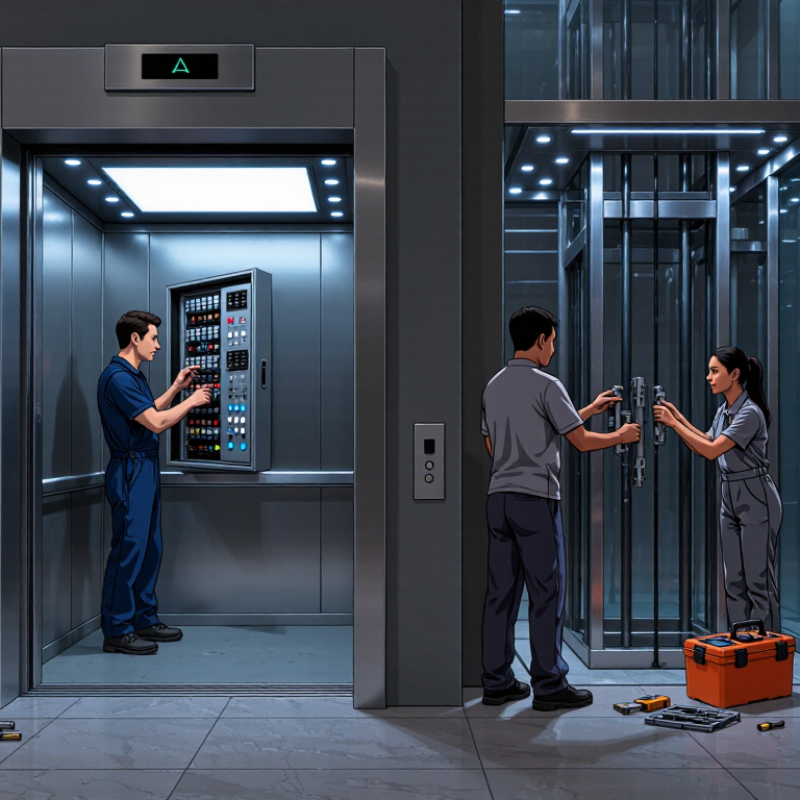
7 Best Ways to Modernize an Old Passenger Elevator?

Assess the Elevator’s Current Condition and Modernization Needs

Before choosing a modernization package, inspect the elevator as a working system, not merely an old cab. Review maintenance records, inspection reports, breakdown frequency, and previous repairs. Then observe real trips during busy periods. Note door hesitation, uneven leveling, vibration, unusual noise, and delayed responses. Small clues matter.

A qualified elevator professional should examine the controller, traction machine, ropes, brakes, door equipment, buffers, pit, shaft, and emergency communication. Test floor accuracy with a loaded car, not an empty one. Check accessibility and current safety-code requirements. The U.S. Department of Energy’s Better Buildings program estimates that elevators and escalators can consume 2% to 10% of a commercial building’s electricity. However, energy savings alone should not drive the decision. Reliability, safety, ride quality, and future parts availability deserve equal attention.

A clean cab can hide serious mechanical wear. That is easy to miss. Experienced inspectors often compare fault logs with tenant complaints and actual operating behavior. The results may challenge initial assumptions. A full replacement may be unnecessary, while a cosmetic upgrade may solve almost nothing. Document each defect with photographs, measurements, and repair history. A careful condition assessment creates a defensible modernization scope and reduces the risk of paying for improvements the building does not need.

Upgrade the Control System and Improve Ride Performance

Modernizing an old passenger elevator often starts with its control system. Aging relays and inconsistent wiring can create delayed starts, uneven leveling, and unnecessary stops. A modern controller can coordinate motor speed, door timing, floor selection, and fault monitoring more precisely. The goal is not simply faster travel. It is predictable movement.

Field assessments usually begin with measurements. Technicians check stopping accuracy, acceleration, deceleration, door cycles, motor current, and vibration. A leveling error of only a few millimeters can still be felt through a passenger’s shoes. Variable-frequency control can create softer starts and stops, reducing jolts near each landing. Load weighing can also adjust movement and dispatch decisions when the car is crowded. Small changes matter.

The upgrade should include the drive, encoder, brake feedback, door operator, and emergency circuits. Qualified elevator professionals must test these parts together and follow applicable safety codes. Old cables may look acceptable but fail under heat, dust, or repeated movement. That detail is easy to miss. Budget estimates can also be too optimistic when hidden corrosion appears inside the control cabinet. Careful logging before and after installation helps prove whether ride quality truly improved, rather than relying on impressions alone.

7 Best Ways to Modernize an Old Passenger Elevator? – Upgrade the Control System and Improve Ride Performance

Typical modernization ranges are indicative planning values. Actual results depend on elevator type, building traffic, equipment condition, local codes, and site conditions.
No. Modernization Measure Primary Performance Goal Typical Improvement or Result Typical Implementation Time Ride-Quality Indicators Priority
1 Replace the Main Control System Improve dispatching, reliability, safety monitoring, and system compatibility. Fewer controller-related shutdowns; smoother acceleration and deceleration when paired with a modern drive. Approximately 3–7 working days per elevator, depending on wiring and testing requirements. Reduced leveling error, fewer abrupt stops, and more consistent floor service. Very High
2 Install a Variable-Frequency Drive Control motor speed more precisely throughout the travel cycle. Lower starting current, smoother starts and stops, and potentially lower motor energy use than older drive methods. Approximately 2–5 working days when compatible motor and machine equipment are retained. Lower jerk, reduced vibration, and more stable car speed near floor level. Very High
3 Upgrade the Door Operator and Door Sensors Improve door timing, reopening response, and passenger safety. Fewer door faults, reduced waiting caused by nuisance reopenings, and more consistent opening and closing cycles. Approximately 1–3 working days, subject to door equipment condition and landing alignment. Quieter door movement, consistent dwell time, and improved obstruction detection. High
4 Add Accurate Position and Leveling Feedback Maintain precise stopping position at every landing. Can bring leveling performance within commonly specified tolerances when the machine, brake, and drive are properly adjusted. Approximately 1–3 working days, plus commissioning and floor-by-floor calibration. Reduced trip hazards, less corrective movement, and improved accessibility for wheeled users. Very High
5 Optimize Group Dispatching and Traffic Settings Reduce passenger waiting and unnecessary car movements. Better peak-period handling through improved call allocation, zoning, parking, and door-dwell parameters. Approximately 1–4 working days, including traffic observation and tuning. Shorter average waiting time, fewer duplicate car responses, and more predictable service. High
6 Improve Braking, Motor, and Machine Alignment Eliminate mechanical causes of vibration, noise, and inconsistent stops. More stable stopping behavior and reduced vibration when worn brakes, bearings, ropes, sheaves, or couplings are corrected. Approximately 2–10 working days, depending on inspection findings and replacement scope. Lower car vibration, reduced mechanical noise, and less rollback or brake release shock. High
7 Add Remote Monitoring and Condition-Based Maintenance Identify recurring faults before they cause extended outages. Faster fault diagnosis, clearer maintenance records, and improved visibility of door cycles, trips, faults, and shutdown patterns. Approximately 1–3 working days for sensors, communications, setup, and system verification. Indirect improvement through earlier correction of drift, abnormal vibration, door faults, and leveling issues. Medium

Replace Aging Doors, Cab Interiors, and Operating Panels

7 Best Ways to Modernize an Old Passenger Elevator

Replace Aging Doors, Cab Interiors, and Operating Panels

An old passenger elevator often reveals its age at the landing. Doors hesitate, scrape, or close unevenly. Replace worn door operators, rollers, sensors, and gaskets as one coordinated upgrade. This improves ride quality and reduces trapped-door complaints. The 2023 Global Status Report for Buildings and Construction, published by the United Nations Environment Programme, states that buildings consume 34% of global energy. Efficient door equipment can support broader building-performance goals, although savings vary by traffic and maintenance.

Cab interiors deserve practical attention. Use durable wall panels, slip-resistant flooring, brighter LED lighting, and handrails with comfortable clearances. Check every corner for loose trim. A visually attractive cab can still fail users if lighting creates glare or the floor becomes slippery. Accessibility requirements should guide button heights, door timing, audible signals, and visual indicators. Local inspection authorities must review these changes before service resumes.

Operating panels should be intuitive, tactile, and easy to clean. Replace cracked buttons and faded labels, but avoid adding features passengers do not need. The National Institute of Standards and Technology identifies human factors as important in safe, usable building systems. That principle is easy to overlook during cosmetic renovations. In practice, crews should test panels with older users, wheelchair users, and people with limited vision. My own design preference is simple: fewer confusing choices, larger contrast, and clear feedback. Renovation schedules often underestimate wiring issues. Keep contingency time.

Add Safety, Accessibility, and Energy-Efficient Features

7 Best Ways to Modernize an Old Passenger Elevator

Modernization should begin with people, not polished finishes. Replace outdated door operators, leveling controls, and emergency communication systems to reduce trapping risks. Add door sensors, two-way voice communication, backup lighting, and clearer floor indicators. These upgrades support safer daily travel and easier emergency response.

Accessibility also needs practical attention. Provide audible announcements, tactile buttons, visual signals, and enough doorway clearance for wheelchairs. The World Health Organization estimates that 1.3 billion people experience significant disability. A narrow entrance can turn a short trip into a serious barrier. Follow applicable accessibility standards, such as EN 81-70 or local equivalents, with qualified professionals.

Energy performance deserves equal weight. The International Energy Agency reports that buildings consume about 30% of global final energy. Variable-speed drives, efficient motors, LED cabin lighting, and standby controls can reduce unnecessary consumption. ISO 25745 offers a framework for measuring elevator energy performance. Results vary by traffic, building height, and equipment condition. Promised savings should be measured, not assumed.

Tips

Start with a condition survey. Check vibration, stopping accuracy, door timing, and monthly electricity use. Then rank upgrades by safety, accessibility, and payback. Do not replace every component automatically. Sometimes, a smaller control upgrade works better. Document inspections and test results after commissioning. A glossy cabin cannot compensate for unreliable leveling.

Test, Certify, and Maintain the Modernized Elevator System

7 Best Ways to Modernize an Old Passenger Elevator?

Testing must begin before the first passenger enters. Inspectors should verify braking distance, door protection, emergency lighting, alarm communication, leveling accuracy, and backup power. Load tests should imitate real traffic, including repeated starts and stops. ASME A17.1/CSA B44 and EN 81-20 provide useful technical frameworks, but the local authority’s adopted code controls acceptance. Certification should come from an authorized, independent inspector. A contractor’s checklist alone is not enough.

Maintenance protects the investment after certification. NIOSH has historically estimated about 30 elevator-related deaths and 17,000 serious injuries annually in the United States. That figure shows why inspection records cannot become paperwork only. Track door reversals, leveling faults, unusual vibration, and failed emergency calls. U.S. Department of Energy building research also identifies vertical transportation as a meaningful source of building energy use, especially in tall, busy properties. Record standby power and travel energy after modernization. Small changes can reveal hidden faults.

A perfect handover is a useful myth. Experienced technicians still miss intermittent faults. Schedule an early follow-up inspection, review passenger complaints, and compare readings over time. Keep test certificates, wiring updates, software versions, and maintenance actions together. Clear records help inspectors, technicians, and building owners make safer decisions. Cite: NIOSH elevator and escalator safety publications; U.S. Department of Energy Building Technologies Office; ASME A17.1/CSA B44; EN 81-20.

7 Best Ways to Modernize an Old Passenger Elevator: Test, Certify, and Maintain the Modernized Elevator System

Rated-load classes are essential reference points when replacing the controller, traction machine, brakes, ropes, or safety equipment. During modernization, confirm that the selected components match the elevator’s certified rated load, then complete inspection, load testing, documentation, and scheduled maintenance according to applicable local requirements.

The chart shows common nominal passenger-elevator rated-load classes used in international lift specifications; actual modernization requirements depend on the existing installation, building conditions, and local regulations.

FAQS

How should an old passenger elevator be assessed before modernization?

Review maintenance records, inspection reports, breakdown frequency, and previous repairs. Observe real trips during busy periods.

Which elevator components need professional inspection?

A qualified professional should examine the controller, motor, ropes, brakes, doors, buffers, pit, shaft, and emergency communication.

Is a full elevator replacement always necessary?

No. A control upgrade may solve reliability problems without replacing every component.

What safety features can improve daily elevator travel?

Add door sensors, emergency lighting, two-way voice communication, and clear floor indicators.

How can modernization improve accessibility?

Provide tactile buttons, audible announcements, visual signals, and suitable doorway clearance.

Which upgrades may reduce elevator energy use?

Consider efficient motors, variable-speed drives, LED cabin lighting, and standby controls.

What testing should happen before passengers use the modernized elevator?

Inspect braking distance, door protection, emergency lighting, alarm communication, backup power, and stopping accuracy.

How should the elevator be maintained after certification?

Track door reversals, leveling faults, unusual vibration, failed emergency calls, and energy readings.

What should building owners do if problems appear after handover?

Schedule an early follow-up inspection and review passenger complaints. Intermittent faults can escape initial testing.

Conclusion

Modernizing an old passenger elevator begins with a careful assessment of its mechanical condition, controls, safety systems, and daily performance. The goal of how to modernize an old passenger elevator is to identify outdated components, recurring faults, accessibility limitations, and opportunities to improve reliability. Upgrading the control system can create smoother starts and stops, reduce waiting times, and improve ride quality. Replacing worn doors, refreshing the cab interior, and installing updated operating panels can also improve appearance, usability, and passenger comfort.

A complete modernization should include essential safety improvements, accessible controls, emergency communication, efficient lighting, and energy-saving equipment where appropriate. After the work is completed, the elevator must be thoroughly tested to confirm that every system operates correctly and safely. Professional certification and scheduled maintenance are also important for preserving performance, extending service life, and identifying future issues before they become costly disruptions.

Sophia

Sophia

Sophia is a dedicated marketing professional with an exceptional depth of knowledge about her company's products and services. With a keen understanding of market trends and customer needs, she crafts insightful blog posts that not only inform but also engage readers, enriching the company’s online......