Vanguard Lift Vanguard Lift

How to Determine the Lifespan of a Residential Elevator?

Time:2026-06-22 Author:Charlotte
0%

Determining the lifespan of a residential elevator requires careful consideration. Homeowners often wonder, "what is the lifespan of a residential elevator?" Understanding factors that affect this lifespan is essential. Various elements contribute to how long an elevator will function efficiently.

The quality of materials used in construction plays a significant role. Elevators equipped with high-quality components typically last longer. Regular maintenance also impacts longevity. Neglecting routine checks can lead to unexpected breakdowns. Additionally, the frequency of use matters. An elevator used multiple times daily will wear down faster than one used infrequently.

Lastly, keeping up with technological advancements can enhance performance. Older systems may not operate as efficiently, which can affect their lifespan. Homeowners should reflect on how their choices influence the longevity of their elevators. Proper knowledge can lead to informed decisions and fewer surprises.
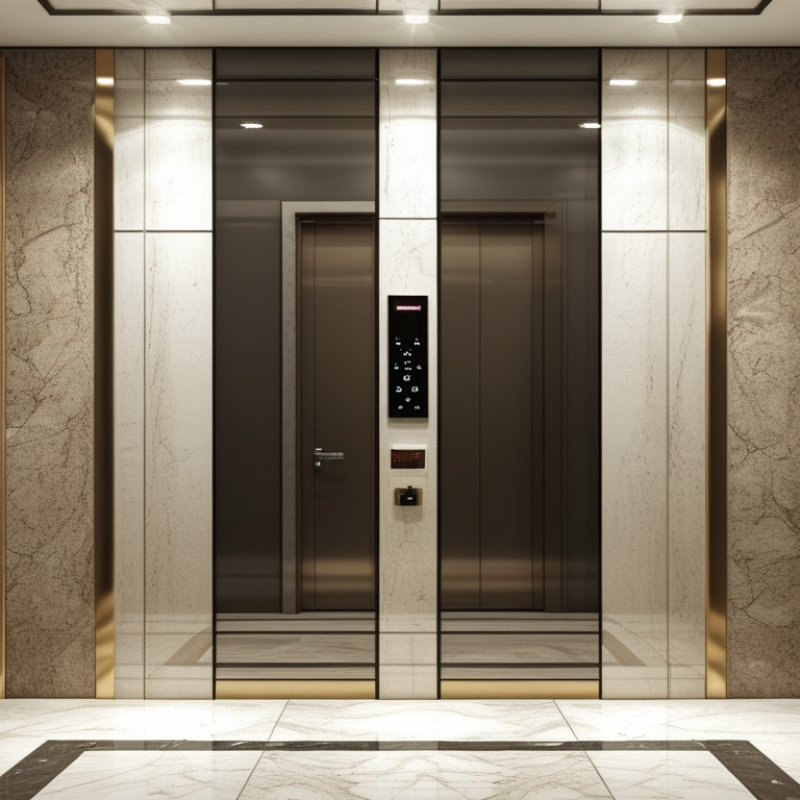
How to Determine the Lifespan of a Residential Elevator?

Factors Influencing the Lifespan of Residential Elevators

Residential elevators can offer convenience and accessibility, but their lifespan can vary. Many factors influence how long these systems last. Understanding these factors can help homeowners make informed decisions about maintenance and replacements.

One crucial element is the quality of installation. A well-installed elevator will perform better and last longer. Regular maintenance is equally important; neglect can lead to wear and tear. Homeowners should schedule inspections annually. These checks can identify small issues before they escalate into major problems. Additionally, the materials used in construction affect longevity. Stainless steel components typically resist corrosion better than others.

Another key factor is usage frequency. Elevators that see daily use may experience more stress, shortening their lifespan. Conversely, those used infrequently might last longer, but stagnant systems can face issues like rust. Environmental factors such as humidity and temperature also play a role. Extreme conditions can lead to malfunctions. Homeowners should be aware of these aspects. Reflecting on how these factors interact can aid in extending the life of a residential elevator.

Common Types of Residential Elevators and Their Durability

When considering residential elevators, understanding their durability is crucial. Common types include hydraulic, traction, and pneumatic systems. Hydraulic elevators tend to last around 20 to 30 years. They are popular for their efficiency in low-rise buildings. However, their durability heavily depends on maintenance. Neglecting regular inspections can shorten their lifespan significantly.

Traction elevators, with a lifespan of 25 to 30 years, use a counterweight system. They require more space than hydraulic models but are generally more reliable. These elevators are often preferred in multi-story homes. On the downside, the pulleys can wear out over time and require replacements.

Pneumatic elevators, on the other hand, are relatively newer and have a shorter lifespan of 15 to 20 years. Their minimalistic design appeals to many homeowners. Yet, they may need frequent check-ups due to their reliance on air pressure. Consistent monitoring is essential to ensure safety and functionality. Regular service can help identify potential issues before they lead to significant repairs.

Maintenance Practices to Extend Elevator Lifespan

To ensure your residential elevator lasts as long as possible, regular maintenance is key. Monthly inspections can catch minor issues before they escalate. Check for any strange noises or erratic movements. Small signs often indicate bigger problems.

Lubrication is another essential part of maintenance. Keep the moving parts well-lubricated to prevent friction. But remember, over-lubrication can lead to problems as well. Balanced lubrication enhances performance but requires attention to detail.

Keeping the elevator clean is also crucial. Dust and debris can accumulate in the machinery, leading to wear and tear. Use a soft cloth to wipe down surfaces. However, some areas may be hard to reach. Professional cleaning services can also help with these less accessible parts. Regularly changing filters can make a significant difference too. Neglecting these small tasks can shorten the elevator’s lifespan significantly.

How to Determine the Lifespan of a Residential Elevator? - Maintenance Practices to Extend Elevator Lifespan

Practice Frequency Impact on Lifespan Estimated Lifespan Extension
Regular Inspections Monthly High 5-10 years
Lubrication of Moving Parts Quarterly Medium 3-5 years
Replacement of Worn Components As needed Very High 10+ years
Cleaning of Elevators Bi-weekly Low 1-2 years
Emergency Operation Testing Semi-Annually Medium 2-3 years

Signs Indicating the Need for Elevator Replacement

When it comes to residential elevators, several signs can indicate the need for replacement. Regular maintenance is essential, but some issues can signal deeper problems. If your elevator starts making unusual noises, it might be time to get it checked. Grinding, popping, or excessive vibrations can suggest mechanical issues. Ignoring these sounds may lead to larger failures.

Another critical sign is inconsistent performance. If the elevator struggles to reach floors or operates slowly, it can be a red flag. This could indicate wear and tear on the motor or other vital components. Also, if the doors fail to open or close properly, it's a serious concern. A malfunctioning door can pose safety risks.

Tips: Schedule regular inspections to catch issues early. Document any unusual noises or performance changes. This log will be useful for maintenance professionals. Explore upgrades if your elevator is over 20 years old. Modern elevators are often more efficient and safer. Investing in a new unit can save costs on repairs in the long run. Regular updates ensure your home remains safe and accessible.

Average Lifespan Expectations for Different Elevator Models

When considering the lifespan of residential elevators, various models present distinct longevity expectations. Standard hydraulic elevators typically last around 20 to 30 years. However, this can vary based on usage and maintenance. Regular upkeep is essential for optimizing their performance and lifespan. Reports indicate that poorly maintained units may fail significantly sooner.

Machine-room-less (MRL) elevators, which have become more popular, can last between 15 to 25 years. They are praised for their compactness and energy efficiency. These elevators often require specific attention to their mechanical components. The lack of a dedicated machine room means that repairs might be more complicated, sometimes affecting their long-term reliability.

Lastly, pneumatic elevators usually have a shorter lifespan of 10 to 15 years. They are known for unique design and space-saving attributes. However, due to their simplicity, they may require more frequent part replacements over time. Understanding these variations can help homeowners make informed decisions about elevator installation and maintenance, ensuring optimal performance throughout their lifespan.

FAQS

: What are the common types of residential elevators?

: Common types include hydraulic, traction, and pneumatic systems.

How long do hydraulic elevators last?

Hydraulic elevators typically last around 20 to 30 years with proper maintenance.

What factors affect the lifespan of an elevator?

Regular maintenance and inspections are crucial. Neglect can significantly shorten lifespan.

What are the signs that an elevator may need replacement?

Unusual noises and inconsistent performance can indicate the need for replacement.

How long do traction elevators last?

Traction elevators usually last about 25 to 30 years but require more space.

What should I do if my elevator makes strange noises?

You should get it checked immediately. Sounds like grinding or popping need attention.

Are pneumatic elevators reliable?

Pneumatic elevators are newer and rely on air pressure, needing frequent check-ups.

When should I schedule inspections for my elevator?

Schedule regular inspections to catch issues early, ideally every six months.

Can old elevators be upgraded?

Yes, explore upgrades if your elevator is over 20 years old for better efficiency and safety.

What happens if the doors malfunction?

A malfunctioning door can pose serious safety risks, and it should be addressed promptly.

Conclusion

Determining what is the lifespan of a residential elevator involves understanding various influencing factors. Key elements such as the type of elevator, its usage frequency, and the quality of installation and materials all play significant roles in durability. Common types of residential elevators, including hydraulic and traction models, can exhibit varying lifespans, often influenced by their maintenance practices.

Regular maintenance is crucial for extending elevator life, as it helps identify potential issues before they escalate. Homeowners should be aware of specific signs indicating the need for replacement, such as unusual noises or erratic movements. On average, residential elevators can last anywhere from 15 to 25 years, depending on their model and upkeep. By staying informed about these aspects, homeowners can ensure the longevity and safety of their residential elevators.

Charlotte

Charlotte

Charlotte is a seasoned marketing professional with a deep understanding of the company's portfolio and a passion for elevating its presence in the market. With a keen eye for detail and a commitment to excellence, she ensures that our professional blog is regularly updated with insightful articles......