Vanguard Lift Vanguard Lift

Digital Tips for Choosing Between Traction and Hydraulic Elevators?

Time:2026-08-09 Author:Sienna
0%

When considering how to choose between traction and hydraulic elevators, it's essential to weigh specific factors relevant to your building's needs. Each type of elevator has unique advantages and drawbacks that can influence your decision. Traction elevators, known for their energy efficiency and speed, are ideal for mid to high-rise buildings. However, they require more overhead space and intricate installation.

On the other hand, hydraulic elevators are suitable for low-rise buildings and offer a smoother ride. They take up less space but may be less energy-efficient. Think about the scope of your project, your budget, and future maintenance costs. It's important to consider both short-term and long-term investments.

In this decision-making process, remember that no single choice fits all scenarios. Reflect on your specific needs, building layout, and user experience. Consulting with a professional can provide valuable insights. Make an informed choice that aligns with your goals for efficiency and performance.
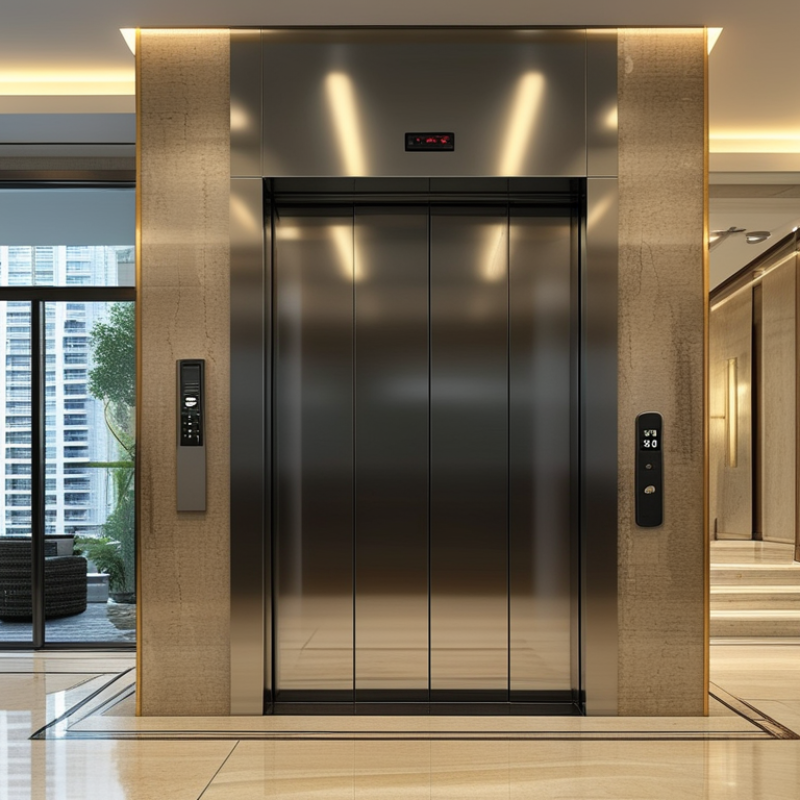
Digital Tips for Choosing Between Traction and Hydraulic Elevators?

Factors to Consider When Choosing Between Traction and Hydraulic Elevators

When deciding between traction and hydraulic elevators, several key factors come into play. Traction elevators, known for their speed, are ideal for taller buildings. They work using a system of pulleys and cables, providing efficient vertical movement. Conversely, hydraulic elevators are suited for low-rise buildings. They employ a piston system, which is typically slower but offers smooth operation.

Another consideration is space. Traction elevators require a machine room, which takes extra space. In contrast, hydraulic elevators can be installed in smaller areas, as they do not require extensive machinery overhead. However, hydraulic systems can take up more space in the shaft, which might limit design options for certain buildings.

Cost is also a significant factor. Generally, hydraulic elevators have lower initial costs. However, maintenance costs can accumulate over time. Traction elevators tend to be more expensive upfront but may offer better long-term value due to durability and efficiency. Buyers should reflect on both short-term and long-term needs, considering ongoing operational expenses alongside initial investment. Making the choice between these two systems requires careful reflection on specific building requirements and overall project goals.

Understanding the Operational Mechanics of Traction Elevators

When considering traction elevators, understanding their mechanics is crucial. Traction elevators utilize a system of pulleys and cables. This creates a reliable and energy-efficient mode of vertical transport. Usually, they are more efficient for buildings over five stories. The design also allows for smooth rides, minimizing jerking during operation.

Tips for choosing the right elevator involve a few factors. First, identify the building's height. Traction elevators excel in mid-rise to high-rise structures. Next, consider usage frequency. In high-traffic buildings, their efficiency provides a better user experience. Remember, they require a machine room, which could impact building design.

Another point to contemplate is maintenance. While traction elevators can be more reliable, they need regular servicing. Without proper upkeep, their performance may decline. Users might notice unexpected delays. Keep in mind, that the installation cost can be higher than hydraulic systems, but the long-term benefits often outweigh the initial investment.

Digital Tips for Choosing Between Traction and Hydraulic Elevators

Feature Traction Elevators Hydraulic Elevators
Speed Fast (up to 2,500 ft/min) Moderate (up to 500 ft/min)
Efficiency More energy-efficient Less energy-efficient
Installation Space Requires less overhead space Requires more space for the pit
Maintenance Requires specialized maintenance Easier and cheaper to maintain
Load Capacity High capacity (over 4,000 lbs) Lower capacity (up to 2,500 lbs)

Key Advantages of Hydraulic Elevators for Low-rise Buildings

When considering elevator options for low-rise buildings, hydraulic elevators stand out for several reasons. These systems are known for their simplicity and efficiency. They are particularly beneficial in buildings with fewer floors. Hydraulic elevators are quieter, providing a smooth ride for users. In addition, their installation often requires less spatial complexity compared to other types.

Here are a few tips to keep in mind when choosing an elevator. Assess the building's traffic flow. This helps you determine the right size and capacity. You might also want to evaluate the average travel distance to ensure the elevator meets your needs. Reliable maintenance is crucial as well. Establish a service plan with a reputable technician. Regular check-ups will improve efficiency and lifespan.

Hydraulic elevators, while advantageous, do have limitations. They require a machine room and can be less energy-efficient than traction systems. It's essential to weigh these drawbacks against their benefits. Understanding the unique demands of your building can guide you toward the most informed decision.

Cost Analysis: Initial Investment and Maintenance of Elevator Types

Choosing between traction and hydraulic elevators involves more than just functionality. A key factor is cost. Initial investment plays a major role in the decision-making process. Traction elevators often require a higher upfront cost due to their complex systems. They need machine rooms and more sophisticated technologies. This can add to installation expenses significantly.

Hydraulic elevators, on the other hand, are generally more affordable to install. Their simpler design allows for easier integration into buildings. However, maintenance costs can be a hidden expense. Hydraulic systems may incur higher operational costs over time. They often face issues like oil leaks and require regular checks.

Evaluating long-term costs is crucial. While hydraulic elevators seem cheaper initially, ongoing maintenance can add up. Traction elevators may prove cost-effective over their lifespan due to lower maintenance needs. Property owners should weigh these factors carefully. Choosing the right elevator type requires thorough analysis and understanding of budget implications.

Energy Efficiency and Environmental Impact of Traction vs. Hydraulic Elevators

Choosing between traction and hydraulic elevators involves understanding their energy efficiency and environmental impact. Traction elevators typically utilize a counterweight system, which consumes less energy during operation. This design minimizes energy use, especially in high-rise buildings where long travel distances are common. In contrast, hydraulic elevators rely on fluid pressure, resulting in higher energy consumption during movement.

However, hydraulic elevators can be more efficient in low-rise applications. Their installation can be simpler, requiring less electrical infrastructure. Yet, the oil used in hydraulic systems poses environmental concerns. It can leak, leading to potential soil and water contamination. Maintenance practices also affect their overall environmental impact.

In urban settings, the energy efficiency of traction elevators often makes them a preferred option. However, each building's specific needs should be evaluated. Factors like travel distance, building height, and expected traffic all influence the decision. Consideration of these elements is crucial. Assessing both immediate needs and long-term sustainability goals is necessary for making an informed choice.

Energy Efficiency Comparison: Traction vs. Hydraulic Elevators

This chart compares the energy consumption of traction and hydraulic elevators. Traction elevators are more energy-efficient, requiring only 300 kWh for 1,000 trips, compared to 600 kWh for hydraulic elevators. Choosing the right elevator type can significantly impact energy usage and environmental sustainability.

FAQS

: What is the primary mechanism behind traction elevators?

: Traction elevators use pulleys and cables for reliable and energy-efficient vertical transport.

Where are traction elevators most effective?

They excel in buildings over five stories, offering smooth rides and minimal jerking.

What should be considered when choosing an elevator type?

Assess building height, usage frequency, and the need for a machine room.

What maintenance do traction elevators require?

Regular servicing is essential; neglect can lead to unexpected delays and performance decline.

How do hydraulic elevators differ from traction elevators?

Hydraulic elevators are simpler and quieter, ideal for low-rise buildings, but can be less energy-efficient.

What are some drawbacks of hydraulic elevators?

They require a machine room and may consume more energy, especially in high-rise applications.

How does energy efficiency compare between the two systems?

Traction elevators are typically more energy-efficient, while hydraulic elevators consume more energy due to fluid pressure.

What are the environmental concerns with hydraulic elevators?

The oil used can leak, leading to soil and water contamination, which requires careful maintenance.

How can building needs influence elevator selection?

Travel distance, building height, and expected traffic flow must be considered for effective decision-making.

What long-term factors should be evaluated?

Consider immediate needs alongside sustainability goals to make an informed elevator choice.

Conclusion

When deciding how to choose between traction and hydraulic elevators, several factors should be considered, including the building's height and usage. Traction elevators utilize a system of pulleys and counterweights, making them ideal for high-rise buildings due to their speed and efficiency. In contrast, hydraulic elevators are better suited for low-rise structures, offering smoother rides and easier installation.

Cost is another crucial aspect, as traction elevators may have a higher initial investment but often prove to be more energy-efficient in the long run. Conversely, hydraulic systems typically have lower upfront costs but can incur higher maintenance expenses. Additionally, the environmental impact should not be overlooked; traction elevators are generally more energy-efficient, contributing to a smaller carbon footprint. Understanding these operational mechanics and advantages can guide building owners in making informed decisions suitable for their specific needs.

Sienna

Sienna

Sienna is a skilled marketing professional with a deep expertise in our company’s core products and services. With a passion for innovation and detail, she plays a pivotal role in crafting insightful blog posts that not only highlight the unique features of our offerings but also provide valuable......