Vanguard Lift Vanguard Lift

How to Save Energy with Commercial Elevators Effectively?

Time:2026-05-11 Author:Oliver
0%

Energy efficiency is a pressing concern in today’s commercial buildings. Understanding how to save energy with commercial elevators is essential for facility managers. These systems consume a significant amount of electricity. Thus, optimizing their performance can lead to substantial energy savings.

Many businesses overlook simple strategies. Upgrading to energy-efficient motors and utilizing regenerative drives can enhance efficiency. Routine maintenance is often neglected, yet it plays a critical role in energy consumption. Regular inspections can identify inefficiencies that lead to wasted energy.

Real-world examples demonstrate the impact of these choices. A recent case study showed a 30% reduction in energy use after a retrofit. This highlights the importance of informed decisions. Addressing these areas can help companies become more sustainable. The journey to energy savings requires commitment and continuous improvement.
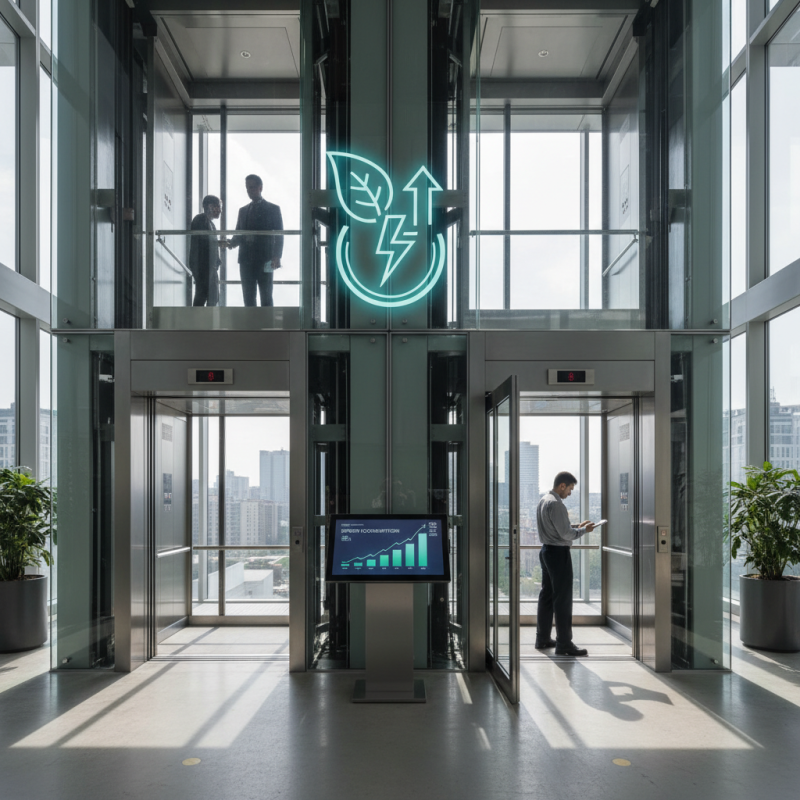
How to Save Energy with Commercial Elevators Effectively?

Identify Energy-Efficient Elevator Systems for Commercial Use

Selecting energy-efficient elevator systems is crucial for reducing operational costs in commercial buildings. According to the U.S. Department of Energy, elevators account for up to 5% of a building's total energy use. By choosing modern systems, businesses can significantly lower this percentage. Look for elevators that utilize regenerative drives, which reclaim energy during braking. These systems can save up to 30% in energy consumption compared to traditional models.

Another factor to consider is the type of controls used. Smart controls optimize the elevator's operation based on peak usage times. Research indicates that buildings with intelligent elevator systems can reduce waiting times and energy consumption by as much as 25%. Additionally, the implementation of sensors can further enhance energy savings by ensuring elevators operate only when needed.

Though initial investments in energy-efficient elevators may be higher, they often lead to long-term savings. Regular maintenance and monitoring are essential to keep these systems running efficiently. A recent study from the International Energy Agency emphasizes that neglecting maintenance can lead to increased energy waste. Businesses should reflect on their elevator choices and the potential hidden costs of energy inefficiency.

Implement Smart Control Systems to Optimize Elevator Operations

Implementing smart control systems in commercial elevators can significantly reduce energy consumption. These systems employ advanced algorithms to optimize operational efficiency. They analyze patterns in elevator use, adjusting settings based on peak and off-peak hours. For example, during busy times, elevators can be programmed for faster responses. In quieter periods, they can operate in energy-saving modes.

Moreover, integrating destination dispatch technology can minimize the number of stops an elevator makes. This not only saves energy but also enhances user experience. Less waiting time means a more efficient system. However, transitioning to smart systems may require upfront investments. Some may find the initial costs daunting. The importance of balancing short-term expenses with long-term savings is often overlooked.

In addition, staff training is crucial. Employees need to understand how the new systems work. Mismanagement can lead to unnecessary energy use. Regular maintenance is also vital to keep these systems running efficiently. While smart controls hold great promise, they must be effectively managed to maximize benefits.

Regular Maintenance Practices to Enhance Energy Efficiency

Regular maintenance practices for commercial elevators are essential for enhancing energy efficiency. According to a report by the International Energy Agency, elevators and escalators account for up to 10% of a building's total energy consumption. Regular checks can significantly reduce energy use and operational costs. Simple tasks, like lubricating moving parts and checking for wear, can ensure a smoother operation.

Tips for effective maintenance include scheduling routine inspections every six months. Monitor the elevator's energy consumption and performance closely. Consider replacing outdated components with energy-efficient models to save on electricity bills. Regular cleaning of the elevator shaft can reduce dust and debris, which can hinder performance.

Many building operators overlook detailed assessments of their elevator systems. A lack of attention can lead to inefficiencies and higher energy expenses. In some cases, building staff may be untrained in maintenance best practices. Continuous education for staff can lead to cost savings and improved performance over time.

Educate Staff and Users on Energy-Saving Elevator Usage

Educating staff and users on energy-saving elevator usage is vital for reducing energy consumption in commercial buildings. Many people overlook simple actions that can lead to significant energy savings. One effective way to educate users is by providing them with clear guidelines on elevator usage. A simple sign near the elevator can remind everyone to use stairs for short trips, which helps save energy and promotes a healthier lifestyle.

Tips for energy-saving elevator usage include:

  • Optimizing the number of passengers per trip.
  • Encouraging users to wait for others before calling the elevator.
  • Implementing a scheduling system for peak hours.
These strategies not only reduce energy use but also minimize wait times and allow elevators to operate more efficiently.

Despite these efforts, there may still be a lack of awareness among some users. Staff should continuously engage with and remind users about energy-efficient habits. Regular training sessions can help reinforce this knowledge, addressing any misunderstandings. Each small step contributes to a more energy-conscious environment, even if not every action is perfect. Collaboration among staff and users can lead to better overall energy-saving practices.

Monitor and Analyze Elevator Performance for Continuous Improvement

Monitoring and analyzing elevator performance is crucial for energy efficiency. According to a report by the International Energy Agency, elevators account for 5-10% of a building’s total energy use. This underlines the importance of proper performance analysis. Regularly assessing elevator usage can reveal patterns that inform how to optimize operations.

Data collection technologies are advancing. Implementing sensors to track elevator metrics is essential. These sensors can monitor energy consumption, waiting times, and usage frequency. For example, a building management system can help identify peak hours. This allows managers to adjust settings, thus reducing energy waste during off-peak hours.

However, not all buildings have embraced this technology. Many still rely on outdated systems that lack real-time data. This often leads to ineffective maintenance practices. Buildings utilizing smart technology often see energy reductions of up to 30%. Striving for continuous improvement through careful data analysis can pave the way for significant energy savings over time.

FAQS

: Why is it important to choose energy-efficient elevator systems?

: Energy-efficient elevators reduce operational costs and lower energy use in commercial buildings.

How much energy do elevators typically consume?

Elevators can account for up to 5% of a building's total energy usage.

What type of drive technology can save energy?

Regenerative drives reclaim energy during braking, saving up to 30% in energy.

How do smart controls improve elevator efficiency?

Smart controls optimize operations based on usage, reducing waiting times and energy consumption by 25%.

What role do sensors play in energy-saving systems?

Sensors ensure elevators only operate when needed, enhancing energy savings.

Are energy-efficient elevators more expensive initially?

Yes, initial costs might be higher, but they lead to long-term savings.

Why is regular maintenance important for elevators?

Neglecting maintenance can increase energy waste and reduce system efficiency.

How can user education affect energy usage?

Educating users on proper elevator usage can lead to significant energy savings.

What are some tips for saving energy while using elevators?

Encourage users to wait for others and use stairs for short trips when possible.

What can businesses do if users are not aware of energy-saving practices?

Continuous reminders and training sessions can help engage users and improve energy-saving habits.

Conclusion

To understand how to save energy with commercial elevators effectively, it is essential to explore several key strategies. First, identifying energy-efficient elevator systems can significantly reduce energy consumption in commercial buildings. Additionally, implementing smart control systems optimizes elevator operations by adjusting their performance based on demand, further leading to energy savings.

Regular maintenance practices play a crucial role in enhancing energy efficiency, ensuring that elevators operate smoothly and without unnecessary energy loss. Educating staff and users about energy-saving elevator usage can foster mindful practices that contribute to overall energy conservation. Finally, monitoring and analyzing elevator performance for continuous improvement allows companies to identify inefficiencies and make data-driven decisions to enhance energy management in their facilities. Through these combined approaches, businesses can effectively reduce their energy footprint related to elevator operations.

Oliver

Oliver

Oliver is a seasoned marketing professional with a wealth of expertise in driving brand awareness and engagement. With a deep understanding of our company's product offerings, he consistently delivers high-quality content that enriches our professional blog. His insights not only shed light on......