 Vanguard Lift
Vanguard Lift
Vanguard Lift
In 2026, elevator noise complaints have surged, prompting questions like "why is my elevator making loud noises?" Industry experts emphasize the importance of regular maintenance. According to a report by the International Elevator and Escalator Industry Association, malfunctioning parts account for up to 40% of elevator issues.
Renowned elevator specialist Dr. Emily Chen states, "Noise often signals underlying problems that shouldn't be ignored." This highlights the pressing need for building managers to assess their systems. Ignoring these signs can lead to costly repairs.
Common causes include worn cables, misaligned rails, or faulty motors. These issues often manifest as grinding, squeaking, or banging sounds. Without timely intervention, these problems could compromise safety. Therefore, understanding "why is my elevator making loud noises" becomes crucial not only for comfort but also for ensuring operational reliability. Regular inspections can prevent minor irritations from escalating into significant hazards.
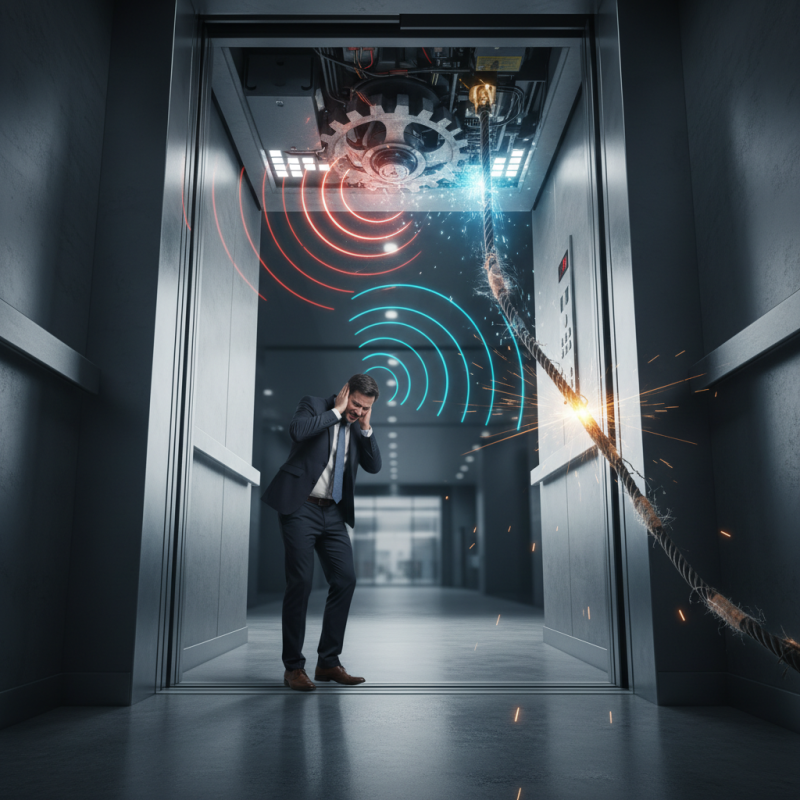
Loud noises from elevators can be a cause for concern in 2026. Various factors might contribute to this unsettling issue. Wear and tear on the machinery increases with age. According to industry reports, 45% of elevator malfunctions are linked to component degradation. Cables, pulleys, and motors may need servicing or replacement.
Another common issue is improper lubrication. Inconsistent maintenance leads to friction in parts. This friction not only generates noise but can also shorten the lifespan of the elevator system. Data shows that elevators that receive routine maintenance are 30% less likely to experience operational issues.
**Tip:** Schedule regular check-ups with experienced technicians to prevent loud noises.
Environmental factors play a role too. Changes in temperature or humidity can affect the elevator’s performance. Insufficient training for operators can lead to rough handling, causing even more noise. It’s essential to create awareness among staff about best practices.
**Tip:** Keep a log of unusual sounds. This information assists technicians in diagnosing issues proactively.
Evaluating the installation environment and operator habits is crucial. These factors can impact how smoothly the elevator operates. Not all noise issues are serious, but they deserve attention to ensure passenger safety and comfort.
: Loud elevator noises can be caused by wear and tear, improper lubrication, or environmental factors.
Regular maintenance checks should be scheduled to prevent issues. Routine servicing reduces operational problems.
Report persistent noises to building management. Document when noises occur to help technicians diagnose the issue.
Yes, temperature and humidity changes can impact operations. Staff training is also important for smooth operation.
Not all noises indicate serious problems. However, they should be monitored to ensure passenger safety and comfort.
Keep a log of unusual sounds and report them. This documentation assists technicians in identifying problems.
Look for grinding, rattling, or squeaking sounds. Each sound can indicate different mechanical issues.
Yes, minor noise is expected in older elevators. However, loud, persistent noises should be addressed immediately.
Routine maintenance is crucial. It reduces friction and extends the elevator's lifespan, keeping noise levels down.
Yes, informing neighbors helps determine if it’s a widespread issue and prioritizes collective action for reporting.
Understanding why your elevator is making loud noises in 2026 is essential for ensuring its safe and efficient operation. Common causes of such noises include worn-out components, misaligned parts, or issues with the motor system. Recognizing signs that your elevator may need maintenance is crucial, as unusual sounds can indicate potential problems like damaged bearings or faulty cables.
To address and report these noise issues effectively, residents should communicate any concerning sounds to building management, ensuring prompt action is taken. Understanding the mechanisms behind elevator noises can also provide insights into their frequency and potential risks. Additionally, implementing preventive measures, such as regular maintenance checks and inspections, can significantly reduce future elevator noise, enhancing the overall user experience. Thus, addressing the question of "why is my elevator making loud noises" not only helps in immediate troubleshooting but also promotes long-term safety and reliability.
