Vanguard Lift Vanguard Lift

Why Do Elevators Need a Machine Room for Optimal Performance?

Time:2026-08-29 Author:Aria
0%

Understanding the significance of machine rooms in elevators is crucial. These rooms house essential machinery that ensures smooth operation. John Smith, a leading elevator engineer, explains, “Machine rooms are the heart of any elevator system.” This statement highlights their vital role.

Why do elevators need a machine room? Without it, function and safety are compromised. The machine room contains the engines, generators, and controllers. This centralized location allows for optimal maintenance and reduces noise in passenger areas. It also improves the overall safety of the elevator system by keeping potential hazards away from the public.

Yet, the need for these spaces can be overlooked. Many modern designs aim to save space and may neglect the significance of dedicated machine rooms. This can lead to increased wear on elevators and higher maintenance costs. Clearly, ignoring this aspect is a risk, both for engineers and users alike.
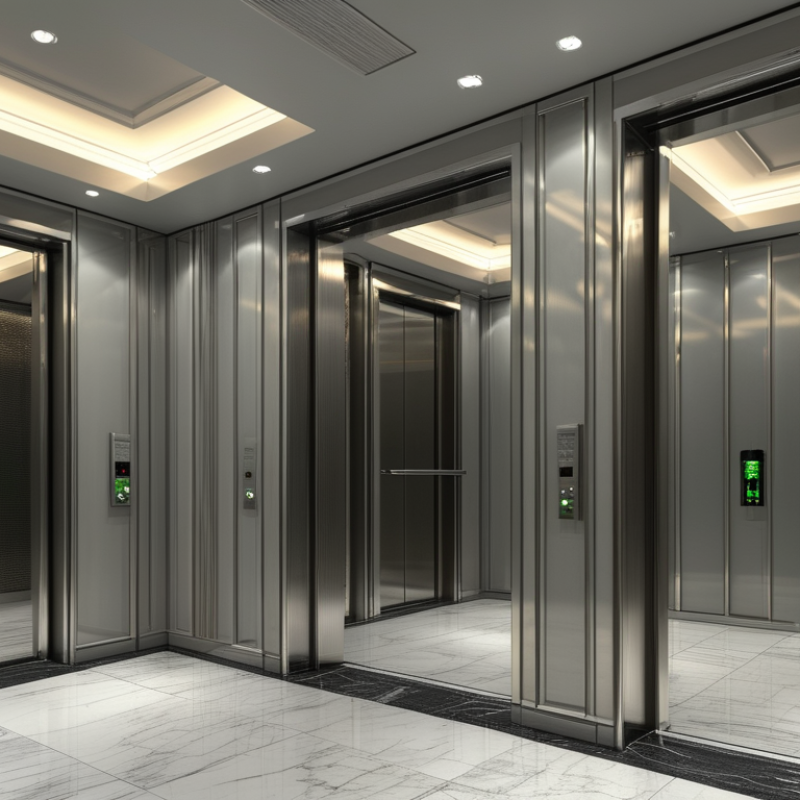
Why Do Elevators Need a Machine Room for Optimal Performance?

The Role of Machine Rooms in Elevator Systems

Machine rooms are essential for elevator systems. These specialized spaces house crucial components like the control panel, motors, and pulleys. According to a study by the National Elevator Industry, nearly 80% of elevator failures can be traced back to poor maintenance of these elements. Proper ventilation and space are vital for operational efficiency.

The layout of a machine room directly affects the performance and lifespan of an elevator. Each part must be accessible for maintenance. Restricting access leads to unaddressed issues. A report from the Elevator World indicates that well-managed machine rooms can reduce downtime by 30%. This statistic underscores the need for structured maintenance routines.

Machine rooms also need adequate safety features. For instance, fire-resistant materials are crucial to prevent hazards. Yet, many buildings overlook these details. This can lead to excessive repair costs and safety violations. Investing in a well-designed machine room enhances not only the elevator's reliability but also the safety of its users.

Importance of Machine Rooms in Elevator Systems

Components of a Typical Elevator Machine Room

Elevator machine rooms are critical for ensuring smooth and efficient operation. These rooms house various components that directly impact performance. A typical machine room includes a traction machine, controller, and backup power supply. The traction machine drives the elevator shaft, providing the necessary force to move the car. According to industry reports, modern traction systems can be up to 30% more energy-efficient than older models.

The controller serves as the brain of the elevator system. It manages call buttons, door controls, and safety devices. For optimal safety and responsiveness, the placement of the controller is essential. Many experts suggest keeping controllers within a few feet of other key components to minimize response time. The backup power supply is critical too. It ensures elevators remain operational during power outages, maintaining safety for users.

Over time, maintenance of the machine room can become an issue. Regular inspections are vital, as neglect can lead to costly failures. Reports indicate that about 20% of all elevator malfunctions stem from poorly maintained machine rooms. Up-to-date maintenance records can often predict potential issues, helping to prevent downtime. Having well-trained staff to manage these components is key to safety and longevity.

Why Do Elevators Need a Machine Room for Optimal Performance?

Component Description Purpose Maintenance Frequency
Drive Motor Electrical motor that powers the elevator Provides the necessary force for moving the elevator Quarterly
Control System Electronics that manage elevator operations Coordinates various components for efficient operation Biannual
Safety Devices Includes emergency brakes and alarms Ensure passenger safety and emergency response Monthly
Wire Ropes Steel cables that support elevator movement Transmits the weight of the elevator and its load Annually
Ventilation System System to regulate temperature and air quality Prevents overheating of electrical components Semi-annual

Benefits of a Dedicated Machine Room for Elevator Functionality

Elevators without machine rooms can face serious limitations in performance. A dedicated machine room provides essential space for the elevator machinery, such as gears and control systems. According to the Elevator World magazine, properly designed machine rooms can enhance energy efficiency by 20%. This improvement not only lowers operational costs but also extends the lifespan of the equipment.

Operational reliability is another significant benefit. When the machinery is housed in a dedicated space, maintenance becomes more manageable. The National Elevator Industry, Inc. reports that regular maintenance in a machine room can reduce downtime by 15%. This ensures that elevators function smoothly, providing consistent service to users.

Consider organizing the machine room effectively. Use labeled storage for tools and components. Regularly schedule inspections to catch potential issues early. Elevators play a crucial role in building infrastructure, and a well-structured machine room enhances functionality and safety. Reflecting on your current arrangement may reveal overlooked opportunities for optimization. Evaluate if the space is being used to its fullest potential. Small adjustments can yield significant improvements.

Safety Considerations in Elevator Machine Room Design

Elevator machine rooms are crucial for safety and performance. Proper design ensures that all components function effectively. An elevator system comprises intricate parts. These include motors, controllers, and safety devices. Each element must be accessible for maintenance. This eases troubleshooting and repairs, minimizing downtime.

When designing machine rooms, prioritize ventilation. Adequate airflow prevents overheating. Overheated components can lead to failures, risking safety. Sound insulation is also vital. Excess noise can be distracting during operation. It may also disturb nearby occupants.

Consider the layout carefully. A cluttered room can impede access to vital equipment. Ensure that emergency shut-off switches are easily visible. Regular inspections play a key role in maintaining performance. Scheduled checks can catch issues before they escalate.

For safety, maintain clear walking paths. Mark emergency exits distinctly. Emergency lighting should be functional and reliable. A well-designed machine room enhances the elevator's longevity while safeguarding users. It’s important to stay updated with industry standards in design. Following best practices is essential in ensuring optimal performance.

Maintenance and Accessibility of Elevator Machine Rooms

Elevator machine rooms play a critical role in ensuring the optimal performance of elevators. These dedicated spaces contain vital components, such as the control systems and power supplies. Accessibility to these rooms is paramount for regular maintenance and emergency interventions. According to a report from the National Elevator Industry, Inc., proper maintenance can extend the lifespan of elevator systems by up to 50%. This highlights the importance of routine checks and timely repairs.

Maintaining machine rooms poses unique challenges. Limited access can hinder technicians from performing necessary inspections. A study by the American Society of Mechanical Engineers shows that about 30% of elevator failures stem from inadequate maintenance. Regular training and updates for maintenance staff are essential to avoid oversights. Moreover, some machine rooms may not comply with current safety regulations, creating potential risks for both workers and passengers.

Many building managers struggle with balancing upkeep and accessibility. While technology advances, some buildings still have outdated machine room designs. These can inhibit efficiency and complicate repairs. As the industry evolves, addressing these obstacles will remain critical. Elevators must operate smoothly to ensure safety and convenience in our daily lives.

FAQS

: What is the benefit of having a dedicated machine room for elevators?

: A dedicated machine room enhances elevator energy efficiency by 20%, lowering operational costs.

How does a machine room impact maintenance?

Regular maintenance in a machine room can reduce elevator downtime by 15%, ensuring reliable service.

What components are found in an elevator machine room?

Essential parts include gears, control systems, and power supplies crucial for elevator performance.

Why is accessibility important for machine rooms?

Easy access allows for regular maintenance and prompt emergency interventions, extending lifespan by up to 50%.

What challenges do building managers face with machine rooms?

Limited access and outdated designs can complicate maintenance and reduce overall efficiency.

How can machine rooms be organized effectively?

Use labeled storage for tools and schedule inspections to catch issues early and optimize space usage.

What percentage of elevator failures arise from inadequate maintenance?

A study shows that 30% of failures stem from poor maintenance practices, highlighting training needs.

Why is safety regulation compliance important?

Non-compliance with safety regulations can pose risks for maintenance workers and elevator passengers.

What should be evaluated in existing machine room setups?

Reflect on current arrangements to identify overlooked opportunities for functional improvements.

How does technology affect elevator machine rooms?

As technology advances, addressing outdated designs is crucial for maintaining efficiency and reliability.

Conclusion

The article "Why Do Elevators Need a Machine Room for Optimal Performance?" delves into the crucial role that machine rooms play in elevator systems. These dedicated spaces house essential components such as motors, gear systems, and control panels, ensuring that elevators operate smoothly and efficiently. By centralizing these key elements, machine rooms contribute significantly to the overall functionality and reliability of elevator systems.

Furthermore, the design of machine rooms incorporates safety features to protect both the equipment and maintenance personnel. Effective maintenance protocols and accessibility measures are emphasized to ensure that elevators can be serviced without complications. Ultimately, understanding why do elevators need a machine room highlights the importance of these spaces in enhancing performance, safety, and longevity of elevator systems.

Aria

Aria

Aria is a dedicated marketing professional with a deep passion for innovative strategies and a keen understanding of our company's product offerings. With a wealth of experience in the industry, Aria excels at crafting engaging content that highlights the unique features and benefits of our......