Vanguard Lift
In the bustling world of commercial buildings, energy efficiency is crucial. With elevators being a significant energy consumer, understanding how to save energy with commercial elevators becomes essential. The global shift towards sustainability drives the need for innovative solutions in managing elevator energy use.
Many businesses overlook simple strategies that can result in substantial savings. For instance, regular maintenance ensures that elevators operate efficiently. Ignoring this can lead to wasted energy and increased costs. Another consideration is selecting energy-efficient models that incorporate advanced technology. These models often use less power without sacrificing performance.
Organizations should be aware that educating staff about elevator use can aid in conserving energy. Limiting unnecessary trips and encouraging the use of stairs for short distances can contribute to overall energy savings. As companies strive for sustainability, examining these practices is not just beneficial—it's essential for a greener future.
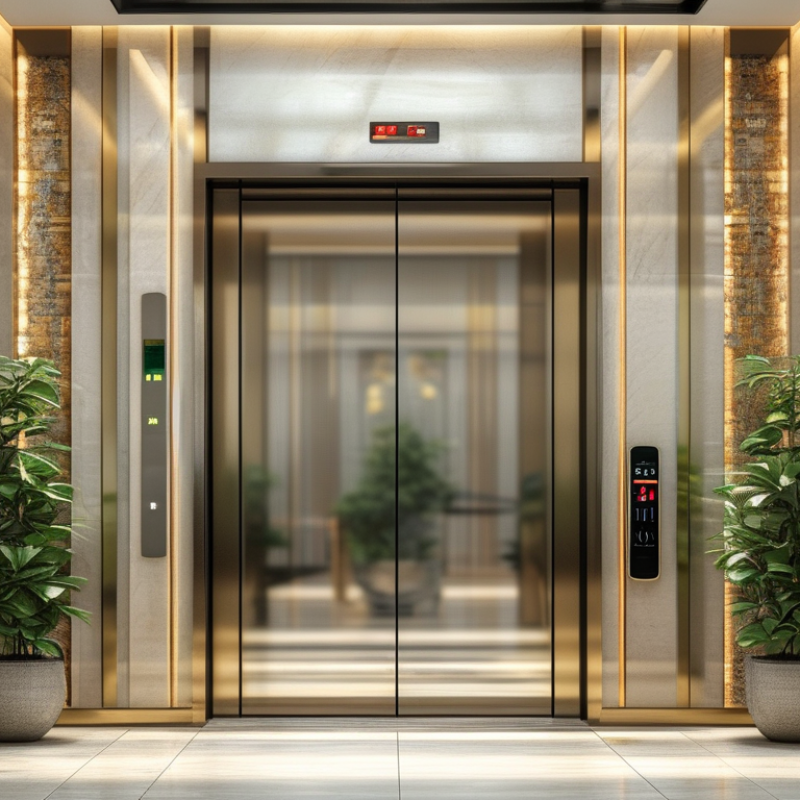
Energy consumption is a major concern for commercial buildings, particularly regarding elevators. Statistics show that elevators can account for up to 10% of a building's total energy use. This figure may vary based on various factors, such as the type of elevator, usage patterns, and the building's design. High-rise buildings often require more energy due to longer travel distances and increased wait times.
Understanding energy consumption patterns is essential for building managers. Analyzing peak usage times can help identify opportunities for energy savings. For instance, elevators might run at full capacity during busy hours, leading to increased energy use. However, off-peak times offer a chance to implement energy-efficient modes. Automatic switches for standby mode during low usage can significantly reduce energy drain.
Realizing the impact of these details is crucial. It can be easy to overlook how cumulative energy use affects operational costs. Regular audits can uncover hidden opportunities for efficiency. Small changes, like implementing regenerative drives, can make a noticeable difference. Evaluating energy consumption doesn’t just highlight issues; it drives innovation in elevator design and management practices.
Elevator usage patterns significantly affect energy efficiency in commercial buildings. The frequency and timing of elevator calls directly influence energy consumption. For instance, during peak hours, elevators often experience heavy usage. This leads to a marked increase in energy usage. Conversely, in off-peak times, energy demands drop. Understanding these patterns can help optimize energy use.
Data shows that group calls can save energy. When multiple users select the same floor, the elevator makes fewer stops. This results in reduced travel time and less energy consumption. However, many buildings still rely on single user calls, which can be wasteful. It’s essential to track these trends and adjust elevator scheduling accordingly.
Another critical factor is the mode of operation. In some cases, elevators run in standby mode when not in use. This consumes energy unnecessarily. Exploring regenerative drives can also reduce energy waste. Yet, there can be challenges in retrofitting existing systems. Reflecting on these aspects may reveal overlooked opportunities for improvement.
Innovative technologies are transforming energy savings in commercial elevators. One promising approach is the use of regenerative drives. These systems capture energy during descent and feed it back into the building’s power grid. It not only makes elevators more efficient but can also reduce operating costs significantly. However, the initial installation can be costly. Building owners should weigh long-term savings against upfront expenses.
Another exciting technology is intelligent control systems. These systems optimize elevator routes based on real-time demand. By predicting usage patterns, they can minimize unnecessary trips, improving overall efficiency. Yet, implementing such technology requires a steep learning curve for staff. Training must be prioritized to maximize benefits.
Smart maintenance solutions also play a crucial role. Predictive analytics can foresee potential elevator issues before they arise. This proactive approach reduces downtime and maintenance costs. Nevertheless, the reliance on technology raises questions about cybersecurity risks. Regular software updates and security assessments are essential. Balancing innovation with security is complex but necessary for future-proofing elevator systems.
Maintaining energy efficiency in commercial elevators requires a strategic approach to maintenance practices. Regular inspections are essential. Check the condition of cables and pulleys to ensure they operate smoothly. Dust and debris can lead to inefficiencies. Cleaning the machinery regularly prevents build-up that can cause strain on the motor. It’s often overlooked, but cleaning can significantly affect your energy bills.
Adjusting the settings of the elevator can also enhance energy savings. Programmable controls are a practical option. They allow you to manage how often elevators operate during off-peak hours. Too many trips on a weekend can waste energy. Installing energy-efficient lighting in elevator shafts provides savings too. Replace traditional bulbs with LEDs; it’s a simple switch that pays off.
Some facilities struggle with these upgrades due to costs or resistance to change. While investing upfront may seem daunting, the long-term savings are substantial. Keep in mind, little adjustments can make a significant difference. Embracing these practices not only reduces energy consumption but also promotes sustainability, a vital goal in today’s world.
Energy efficiency in elevators is increasingly driven by regulations and industry standards. Various codes, such as ASME A17.1 in the United States, set the foundation for energy-efficient designs. These standards encourage manufacturers to innovate and enhance technologies that reduce energy consumption while ensuring safety and reliability.
According to a report by the National Elevator Industry, Inc., elevators can consume up to 5% of a building's total energy. Implementing regenerative drives can cut energy use by 30% or more. Additionally, smart controls that adapt to usage patterns can lead to further energy savings. However, many buildings still operate older systems that lack these advancements. This presents a notable gap in energy efficiency that needs addressing.
While the push for energy-efficient elevators is strong, the adoption varies significantly across regions and building types. Some localities have stricter mandates. Others do not enforce energy-efficient practices. These inconsistencies can create confusion for property owners. Many want to comply but struggle to navigate regulations, weakening the overall efficiency potential in the industry.
| Tip | Description | Regulations/Standards | Expected Energy Savings (%) |
|---|---|---|---|
| Regular Maintenance | Conducting routine inspections and maintenance to ensure optimal efficiency. | ISO 25745 | 10-20% |
| Energy-Efficient Drives | Installing regenerative drives that can recover energy during operation. | EN 81-20 | 20-30% |
| Smart Control Systems | Using AI-driven systems to optimize elevator dispatch and reduce wait times. | ASME A17.1 | 15-25% |
| LED Lighting | Replacing traditional lighting with LED technology to decrease energy consumption. | ASHRAE 90.1 | 25-35% |
| Smart Scheduling | Scheduling elevator operations based on demand to minimize idle times. | ADA Standards for Accessible Design | 10-15% |
: Elevators can account for up to 10% of a building's total energy usage.
High-rise buildings require more energy due to longer travel distances and increased wait times.
Managers can analyze peak usage times to identify opportunities for energy savings during off-peak hours.
Implementing automatic switches for standby mode during low usage can significantly reduce energy drain.
Regenerative drives capture energy during descent and feed it back into the building's power grid.
The initial installation cost of regenerative drives can be high for building owners.
These systems optimize routes based on real-time demand and usage patterns, minimizing unnecessary trips.
There is a steep learning curve for staff that requires prioritizing training.
Predictive analytics foresee issues before they arise, reducing downtime and maintenance costs.
There are potential cybersecurity risks that require regular software updates and security assessments.
Commercial elevators are essential in modern buildings, but their energy consumption can be significant. Understanding key statistics about energy usage provides a foundation for identifying how to save energy with commercial elevators. Patterns in elevator usage, such as peak times and traffic analysis, play a crucial role in shaping energy efficiency strategies.
Implementing innovative technologies, like regenerative drives and advanced control systems, further enhances energy savings. Regular maintenance practices, including timely inspections and appropriate upgrades, contribute to sustained efficiency over time. Moreover, adhering to regulations and standards designed to promote energy efficiency ensures compliance and encourages further advancements in elevator technology. By following these best practices, businesses can effectively reduce energy consumption and improve the sustainability of their commercial elevator systems.
