Vanguard Lift
Screw drive elevators are becoming a popular choice for elderly users due to their safety features. These elevators provide smooth and reliable operation. But why are screw drive elevators safer for elderly users? One primary consideration is their design, which minimizes sudden movements. This reduces the risk of falls, a common concern for seniors.
Furthermore, screw drive elevators typically feature sturdy construction and simple controls. Elderly users can easily operate them without assistance. The elevators often include additional safety mechanisms, such as emergency stop buttons and alarms. These features enhance overall user security.
On the other hand, relying solely on technology may have its flaws. Some users may find it challenging to adapt to new systems. It is crucial to engage elderly users in discussions about their needs. Understanding their perspectives can lead to improvements in the design and functionality of screw drive elevators.
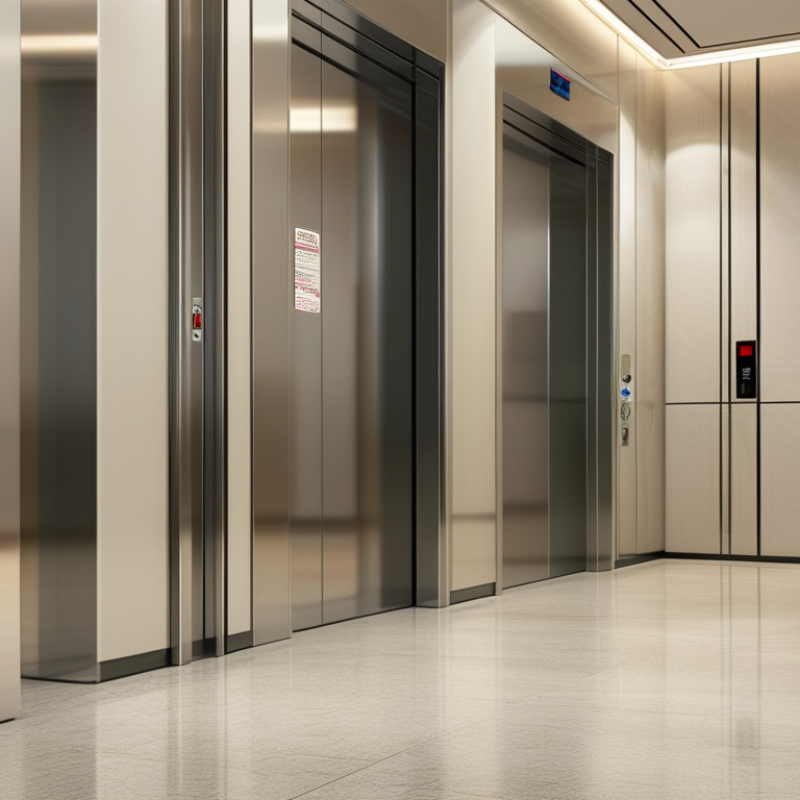
Elevators can be challenging for elderly users. According to the World Health Organization, falls in elevators are a significant cause of injury among older adults. Screw drive elevators, while often seen as safe, present unique risks. Their operation speed, control mechanisms, and cabin space need careful consideration.
Many elderly users may struggle with the typical height of control panels. Reports indicate that nearly 30% of seniors have limited mobility. Elevators must be equipped with lower control panels. This simple adjustment can significantly improve accessibility. Clear and illuminated buttons can help those with visual impairments. Additionally, audible signals should indicate when the door is about to open or close.
Reliability is also crucial. Annual maintenance checks are essential for ensuring safe operation. A study by the International Elevator and Escalator Industry revealed that well-maintained elevators reduce accidents by over 50%. However, some buildings may neglect this maintenance. This oversight can lead to dangerous situations. Elevators must adapt to the specific needs of older adults to promote safety and usability.
When considering screw drive elevators for elderly users, safety is paramount. Specific features can significantly enhance user safety and comfort. First, a smooth and reliable door operation is crucial. Sensors should be in place to prevent doors from closing on users. This allows ample time for entry and exit.
Another essential feature is an anti-slip flooring surface. This minimizes the risk of falls when entering or exiting the elevator. Well-placed handrails inside the cabin can also help users maintain balance and stability. Clear signage indicating emergency procedures is vital. Users need to know how to respond in case of a malfunction.
Tips for improving elevator safety: Always ensure that the elevator is regularly maintained. Poor maintenance can lead to unexpected malfunctions. Additionally, consider installing a visual and audio signal to alert users when the elevator is in operation. This can enhance awareness and reduce anxiety during use. Routine checks can reveal potential issues before they pose a risk. Prioritizing safety features ensures that screw drive elevators accommodate elderly users effectively.
When designing screw drive elevators, accessibility for elderly users must be prioritized. Research indicates that approximately 40% of elderly adults experience mobility issues. These challenges make it vital to create environments that support safe navigation in elevators. To address these needs, design modifications should focus on aspects such as control panel height and the inclusion of handrails.
Optimal control panel placement should be within easy reach for users standing or seated. A height of 36 to 42 inches is generally recommended. This can reduce strain and the risk of accidents as elderly users enter or exit. Handrails should be installed on both sides of the elevator entrance. This simple addition can enhance stability, making it easier for seniors to enter and exit safely.
Lighting within the elevator is also crucial. A well-lit environment helps users to see controls and space more clearly. Installing motion-sensor lights can minimize the risk of falls. However, the challenge remains to balance brightness with glare, which can disorient some older adults. Regular user feedback can help in refining these features, ensuring our designs meet real-world needs.
Educating elderly users about safe elevator practices is vital. Many seniors face unique challenges when using screw drive elevators. A well-informed user can significantly reduce accident risks. Regular workshops or informational sessions can help. These sessions can focus on navigating doors, understanding controls, and recognizing emergency features.
Tips for safe elevator use include: Always check the elevator’s indicator light before entering. If it’s red or flashing, wait for assistance. Make sure to stand clear of closing doors. Encourage seniors to use their mobility aids. Canes or walkers can provide stability during entry and exit.
Another essential point is recognizing the weight limit signs. Seniors should not overload the elevator. Inform them about using emergency buttons if an issue arises. Familiarization with the elevator's features can build confidence. Remember, small changes can make a significant impact on their safety.
| Safety Practice | Description | Importance | Recommended Frequency |
|---|---|---|---|
| User Orientation | Provide guidance on how to safely enter and exit the elevator. | Helps reduce the risk of falls. | At every use |
| Clear Signage | Install clear and large print signs indicating instructions for safe use. | Improves understanding and awareness. | Annual review |
| Emergency Procedures | Educate users on what to do in case of an emergency. | Ensures users remain calm and know how to react. | Semi-annual training |
| Regular Maintenance | Schedule routine checks to ensure elevator parts are functional and safe. | Minimizes the risk of mechanical failure. | Monthly inspections |
| Sensory Aids | Implement audio and tactile indicators for those with vision or hearing impairments. | Enhances accessibility for all users. | Continuous assessment |
Regular maintenance and safety inspections are essential to ensure the reliability of screw drive elevators, especially for elderly users. In fact, the American Society of Mechanical Engineers (ASME) recommends routine inspections at least once a year. This helps identify wear and tear that can lead to malfunctions, which could pose serious risks.
Elevator safety is a significant concern for older adults. According to the National Elevator Industry, a well-maintained elevator reduces the risk of incidents by over 50%. Regular checks can catch issues like loose cables or malfunctioning doors, which can be critical for safety.
Tips: Schedule inspections with certified professionals who understand the specific needs of elderly users. Regular lubrication and functional testing should never be overlooked. Keeping a maintenance log can also provide insight into the elevator’s performance over time.
Neglecting elevator upkeep may lead to serious consequences. Aging components can fail silently until it’s too late. Awareness of the common faults found in elevators is critical for making informed decisions about safety upgrades. Prioritize inspections to enhance reliability.
: Elevators can pose risks such as falls, which are common injuries among older adults.
Lower control panels, clear buttons, and audible signals enhance usability for seniors.
Regular maintenance checks are vital. Well-maintained elevators can reduce accidents significantly.
Control panels should be between 36 to 42 inches high for easy access.
Good lighting helps users see controls clearly. Motion-sensor lights can aid visibility.
Handrails provide support for elderly users, helping them enter and exit more safely.
Around 40% of elderly adults face mobility challenges, affecting their elevator use.
Yes, thoughtful design can enhance safety but requires ongoing feedback for improvement.
Neglected maintenance can lead to dangerous situations, increasing the risk of accidents.
Seniors with visual impairments benefit from illuminated buttons and audible alerts.
The article "How to Ensure Screw Drive Elevators are Safer for Elderly Users?" emphasizes the necessity of understanding the distinct needs of elderly individuals when designing and maintaining screw drive elevators. It identifies essential safety features such as non-slip flooring, easy-to-read controls, and emergency communication systems that can significantly enhance safety. Additionally, design modifications to improve accessibility—like wider doors and lower control panels—are critical in catering to the mobility limitations often faced by older adults.
Furthermore, education on safe elevator use practices is vital for elderly users, ensuring they feel confident while using the elevator. Regular maintenance and safety inspections are also highlighted as crucial measures to guarantee that these elevators remain reliable and secure. Ultimately, the article addresses "why are screw drive elevators safer for elderly users," illustrating how thoughtful design and ongoing education can create a safer environment for this demographic.
