Vanguard Lift
Escalators are a crucial part of modern transportation in malls, airports, and urban settings. However, they can become dangerous if not properly maintained. Experts emphasize the importance of regular servicing to ensure safety. According to John Smith, an escalator maintenance expert, “Regular servicing is key to preventing accidents.” This leads us to a critical question: how often should an escalator be serviced?
The frequency of escalator servicing can vary based on usage, environment, and age. Many industry standards suggest a minimum of twice a year for routine inspections. However, high-traffic areas may require monthly checks. Each inspection can uncover issues that, if left unattended, might lead to accidents or costly repairs. Neglecting service schedules can pose severe safety risks.
A balance must be struck between budget constraints and safety needs. Facilities often struggle to commit to frequent checks. It's tempting to minimize servicing to save money. Yet, overlooking this can lead to significant liabilities. Understanding how often should an escalator be serviced is not just a matter of maintenance; it is about ensuring public safety. Regular attention can promote longevity and reliability, making escalators safe for everyone who uses them.
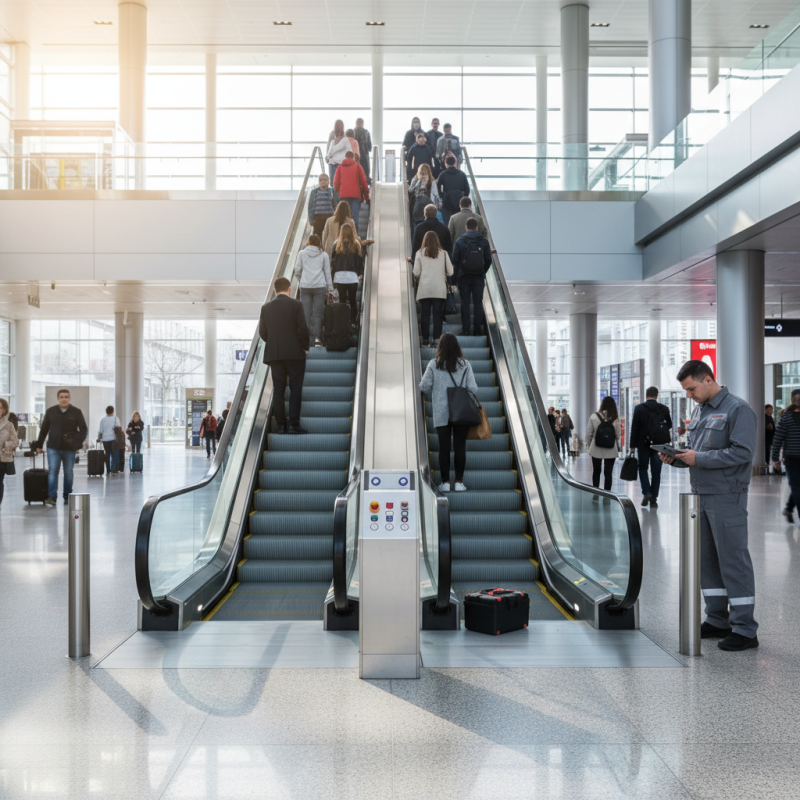
When it comes to escalator safety, inspections play a crucial role. Industry standards recommend regular checks to ensure that mechanisms function properly. Many experts suggest that escalators should be inspected at least once a month. This frequency allows for timely identification of wear, tear, and potential hazards.
During these inspections, technicians look for issues like loose steps and malfunctioning safety devices. Observing the escalator in operation can reveal unexpected problems. Minor fixes can prevent costly repairs and ensure user safety. Monthly inspections are essential, but some facilities may require more frequent checks based on traffic volume.
Ignoring these recommendations can lead to accidents. It raises questions about the responsibility of building managers and owners. Is the maintenance schedule adequate? Are technicians experienced enough? Ensuring rigorous inspection processes can minimize risks and enhance user confidence. Regular diligence in escalator maintenance can save lives.
In commercial settings, regular service of escalators is essential for safety and longevity. The American Society of Mechanical Engineers (ASME) recommends annual inspections. However, many suggest quarterly servicing. This frequency ensures vital parts, like handrails and drive systems, are functioning correctly. Neglecting regular maintenance can lead to wear, potentially causing accidents.
Common maintenance protocols include checking electrical systems and lubricating moving parts. Reports indicate that improper servicing leads to 60% of escalator accidents. Keeping a detailed log of all maintenance activities can help identify patterns. Over time, managers can spot recurring issues, indicating areas needing improvement. It's crucial to train staff in operational checks. They should know the signs of malfunction.
Routine inspections can be a burden. Yet, the cost of maintenance is far less than the consequences of accidents. Prioritizing safety through disciplined upkeep reflects a commitment to public welfare. Regular attention reduces risks and extends escalator life. Balancing frequency and thoroughness in services is key for optimal function.
Regular maintenance of escalators is crucial for safety. According to industry standards, escalators should be serviced every six months. This frequency ensures that key safety features remain functional. For instance, emergency brakes and sensors require regular checks to prevent accidents. Faulty equipment can lead to serious injuries, with reports indicating an escalating trend in escalator accidents over the years.
A thorough safety checklist should be part of every service. Inspecting the condition of steps and handrails is vital. Worn or misaligned steps can create trip hazards. Additionally, lubricating the drive mechanism helps prevent mechanical failures. The National Elevator Industry, Inc. notes that improper maintenance contributes to nearly 30% of escalator-related accidents. This highlights the importance of diligent servicing.
In practice, some service providers might neglect certain checks, leading to unsafe conditions. For example, not testing the emergency stop function could be a significant oversight. Routine inspections must address all aspects, from structural integrity to electronic systems. Failing to follow a comprehensive checklist can have dire consequences. Regular training for maintenance staff also enhances the overall safety of escalators in use.
Neglecting escalator maintenance can lead to serious safety risks. An escalator that hasn't been serviced may develop mechanical issues. These problems can result in unexpected breakdowns or accidents. Users may feel insecure or even get injured when an escalator malfunctions. Regular inspections and maintenance help ensure safe operation and protect users.
Moreover, lack of maintenance can increase liability for property owners. If an escalator fails due to poor upkeep, injured users may seek compensation. This can lead to significant financial losses and legal troubles. Property owners must prioritize regular servicing to mitigate these risks. Understanding the complex mechanics involved is crucial. Each component of an escalator plays a vital role in ensuring safety.
Many users take escalators for granted, unaware of the potential dangers. A small oversight in maintenance can lead to catastrophic consequences. This is a call for action. Regular checks and prompt repairs can make a difference. Fostering awareness about the importance of escalator safety requires ongoing education.
Regular maintenance of escalators is crucial for ensuring safety and performance. Studies indicate that routine servicing can reduce breakdowns by 30%. This translates to fewer disruptions for users and less financial loss for facility operators. The cost of maintenance, while varying, is often outweighed by the expense of unexpected repairs and potential liability. According to data from industry reports, using a proactive maintenance schedule can save up to 15% annually on operational costs.
Incorporating a budget for regular inspections is wise. Reports highlight that facilities investing in annual maintenance see a 20% longer lifespan for their escalators. This longevity not only provides value but also improves user trust in the facility. However, there can be challenges. Facilities may dismiss maintenance as a minor expense, only to face significant costs due to accidents or severe malfunctions.
Maintenance frequency should align with usage levels and environmental factors. High-traffic areas may require monthly checks, whereas less busy locations might manage with quarterly services. Nonetheless, neglecting these recommendations can lead to unforeseen issues. Data shows that over 40% of escalator accidents stem from maintenance neglect. Balancing cost with safety and reliability is crucial for optimal escalator management.
: Escalators should be inspected at least once a month. This helps identify potential hazards early.
Technicians check for loose steps, malfunctioning safety devices, and observe the escalator in operation.
Monthly inspections help prevent costly repairs and ensure user safety. Regular checks can identify wear and tear.
Escalators should be serviced every six months. This ensures that key safety features remain functional.
Ignoring inspections can lead to accidents and injuries. This raises questions about the responsibilities of managers.
The checklist should cover step condition, handrails, emergency brakes, and lubrication of mechanical parts.
Some service providers may neglect testing emergency stop functions. This can lead to unsafe conditions.
Improper maintenance contributes to nearly 30% of escalator accidents. Diligent servicing is crucial for user safety.
Regular training for maintenance staff enhances overall safety. Well-trained staff can help prevent accidents.
Yes, higher traffic volume may require more frequent inspections. This helps manage wear and tear effectively.
The article titled "How Often Should an Escalator Be Serviced for Safety?" explores the critical aspects of escalator maintenance and safety guidelines. It emphasizes the importance of adhering to industry standards for escalator inspections, which recommend frequent check-ups to ensure optimal functioning. Regular maintenance protocols, particularly in commercial settings, are essential to mitigate potential risks and uphold safety for users.
Key safety checklist items are highlighted, ensuring that all mechanical and electronic components are thoroughly inspected. The consequences of neglecting escalator maintenance can lead to accidents and increased liability, making it imperative to establish a routine servicing schedule. Ultimately, the article presents a cost-benefit analysis of regular escalator maintenance, demonstrating that the investment in routine servicing significantly outweighs the risks and costs associated with potential safety hazards. Thus, when considering how often should an escalator be serviced, regular and diligent attention to maintenance is crucial for ensuring safety and longevity.
