As more homeowners look to enhance accessibility and convenience, the question remains: how much does a home elevator cost? In 2026, this query has gained significance. Home elevators are no longer a luxury but a practical addition for many families. They can increase property value while providing ease for those with mobility challenges.
The cost of installation varies widely. Factors include the type of elevator, building modifications, and location. A basic model can start around $25,000, while customized options may exceed $100,000. These variations highlight the importance of thorough budgeting and planning. Homeowners should also consider ongoing maintenance costs.
Investing in a home elevator is a decision that requires careful thought. Will it truly meet your needs? Is the return on investment clear? Researching options and consulting with professionals can lead to informed choices. This investment should enhance daily life and provide long-term benefits.
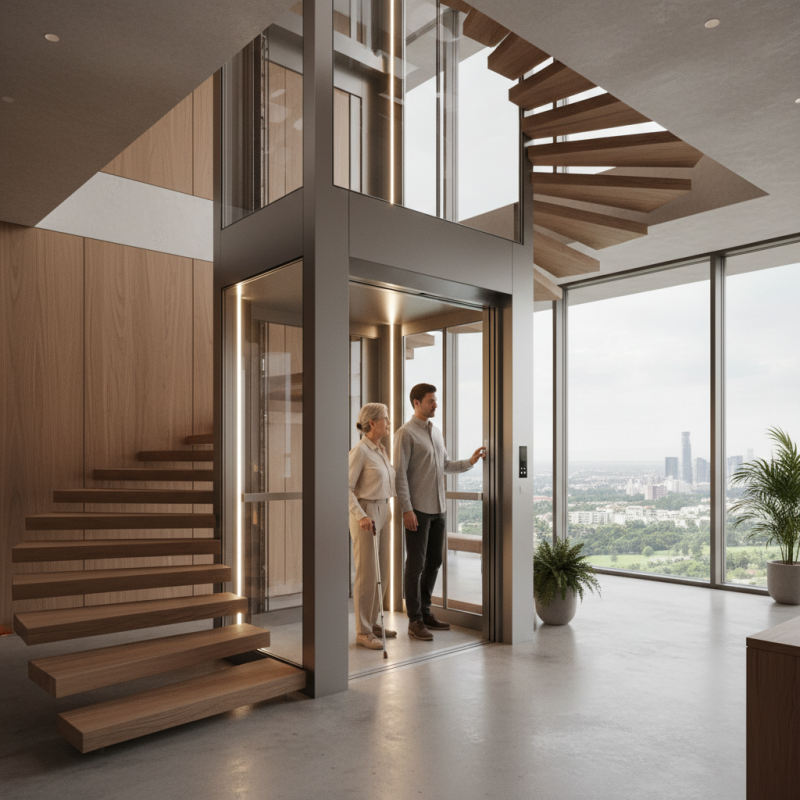
Factors Influencing Home Elevator Cost in 2026
When considering the cost of a home elevator in 2026, there are several key factors to keep in mind. One major influence is the type of elevator you choose. Residential elevators come in various styles, such as
hydraulic, traction, or pneumatic. Each type brings a different price range, impacting the overall cost significantly. For instance, hydraulic elevators tend to be less expensive upfront but can incur
higher maintenance costs over time.
The size and customization of the elevator also play a crucial role in determining the price. A compact unit might cost less, but larger models often require more space and engineering, leading to increased expenses. Furthermore, custom designs, made to match
the aesthetics of your home, can elevate costs dramatically. Installation location impacts both labor and logistics.
Elevators installed in multi-story homes with complex layouts may require additional planning and specialized labor.
The materials used for construction also affect overall expenses. High-quality materials can raise the price but ensure better durability and aesthetics. The geography plays an essential role too.
In urban areas, installation might face additional regulations or logistical challenges, further influencing the price. It’s important to weigh these factors carefully. Consider future needs and potential upgrades when making a decision.
Evaluate whether investing in a more expensive model will offer the longevity and functionality desired.
Average Price Range for Residential Elevators in 2026
In 2026, the average cost of residential elevators ranges between
$25,000 and $50,000. This pricing reflects various factors,
including the type of elevator, installation specifics, and any custom features. For instance, a basic model may
cost around $20,000, while luxury options can push prices upwards.
The increase in demand for home elevators is evident in recent industry reports, which highlight an expected market
growth of 7.5% annually over the next several years.
Homeowners should consider installation costs in addition to the elevator price. Installation takes specialized labor
and can add an extra $5,000 to $15,000 to the overall expense. Factors
like home design and structural changes can complicate the installation process. A poorly planned installation can
lead to higher costs and safety issues. Research shows that about 30%
of residential elevator projects exceed their initial budget.
Maintenance also plays a crucial role. Routine checks and repairs may cost around
$500 to $2,000 yearly. Neglecting maintenance could lead to higher repair bills
over time. Some homeowners find themselves surprised by these ongoing expenses, emphasizing the need for realistic
financial planning. Ultimately, cost considerations for residential
elevators involve careful budgeting and reliable information from industry reports.
Installation Costs: What to Expect for Home Elevators
Installing a home elevator in 2026 requires careful budgeting. The average installation cost ranges from $25,000 to $50,000, depending on various factors. A report from the National Association of Home Builders suggests that prices can fluctuate based on the complexity of the project. Factors include the type of elevator, shaft requirements, and customization options.
Labor costs can also be significant. Skilled technicians often charge between $100 to $150 per hour. Depending on your location, this can add thousands to the total expense. Additionally, other costs like electrical work and building permits are essential to factor in. Some homeowners overlook these extras, leading to budget overruns.
Not all home elevators are created equal. Hydraulic models tend to be more affordable, yet they require more space. In contrast, vacuum elevators are compact but come at a premium price. Understanding these distinctions is crucial. Consideration of future maintenance is equally important. Regular servicing can be costly, creating ongoing financial commitments. Homeowners should carefully analyze their long-term plans.
How Much Does a Home Elevator Cost in 2026? - Installation Costs: What to Expect for Home Elevators
| Elevator Type |
Average Cost ($) |
Installation Cost ($) |
Maintenance Cost (annual) ($) |
Space Requirement (sq ft) |
| Residential Hydraulic |
$30,000 |
$10,000 |
$400 |
15 |
| Residential Traction |
$35,000 |
$12,000 |
$450 |
20 |
| Vacuum Elevator |
$40,000 |
$15,000 |
$500 |
10 |
| Pneumatic Elevator |
$25,000 |
$8,000 |
$350 |
5 |
| Stair Lift |
$5,000 |
$1,500 |
$200 |
2 |
Maintenance and Operating Costs of Home Elevators over Time
When considering a home elevator, maintenance and operating costs play a significant role in the overall investment. Regular inspections are crucial. Typically, these should occur every six months. Expect to pay around $150 to $300 for each service. This ensures the elevator remains in optimal condition. Neglecting maintenance can lead to costly repairs later. It's essential to plan for these expenses.
Operating costs will vary based on usage. For electric elevators, the average cost is about $0.15 to $0.20 per ride. If your family uses the elevator frequently, these charges can add up. Moreover, energy-efficient models may lower electricity bills over time. However, initial costs for these options might be higher. Evaluating long-term savings versus upfront investment is vital.
In addition to repairs and power costs, consider potential upgrades. As technology improves, older models may require updating for efficiency. This could involve significant expenses down the road. It’s important to remain proactive. Understanding these financial aspects helps in making informed decisions about home elevators.
Emerging Trends Impacting Home Elevator Pricing in 2026
As home elevators gain popularity, several emerging trends are shaping their pricing in 2026. Research from the National Association of Home Builders indicates an increase in demand for accessibility features in homes, particularly among aging populations. By 2026, it is projected that nearly 25% of new homes will include such features. This rising demand, fueled by a growing awareness of the importance of mobility solutions, may drive up installation costs.
Additionally, advancements in technology are significantly impacting pricing. Modern home elevators now offer smart technology integration and eco-friendly designs. According to industry reports, these innovations can increase base costs by 10-15%. However, they also enhance energy efficiency and user experience, making them a valuable investment.
Labor and material costs remain fluctuating factors. The home construction industry has been facing rising costs due to supply chain challenges. Reports suggest that labor shortages could lead to higher installation prices, a concern lingering through 2026. Such dynamics underscore the importance of thorough research and planning when budgeting for a home elevator. Understanding these trends and adapting to emerging technologies can be both a financial and functional challenge for homeowners.
Home Elevator Cost Trends in 2026
FAQS
: Installation costs typically range from $25,000 to $50,000. This depends on project complexity and customization options.
Technicians usually charge between $100 to $150 per hour. Locations can affect this significantly.
Homeowners should not overlook costs for electrical work and building permits. These can add substantial amounts.
It is recommended to have maintenance inspections every six months. Each service costs between $150 to $300.
Operating costs vary based on usage. Electric elevators may cost about $0.15 to $0.20 per ride.
Energy-efficient models can lower future electricity bills, but they may have higher upfront costs. Evaluate long-term savings.
Rising demand for accessibility features and smart technology integration are driving prices higher. Awareness of mobility solutions is increasing.
Yes, supply chain issues and labor shortages contribute to fluctuating installation prices. This trend may continue into 2026.
Technology improvements may necessitate updates for older models, leading to potential expenses. Being proactive is essential.
Neglecting maintenance can lead to costly repairs. Planning for these expenses helps maintain budget effectiveness.
Conclusion
In 2026, the cost of a home elevator can vary significantly based on several influencing factors. When considering how much does a home elevator cost, homeowners should factor in the type of elevator, the complexity of the installation site, and any customization options. On average, residential elevators are priced within a specific range, with installation costs that can add substantially to the initial purchase price.
Additionally, it's important to consider the ongoing maintenance and operating costs that arise over time, as these can influence the overall financial investment. Emerging trends in technology and design are also shaping pricing, with advancements potentially leading to both higher and lower costs depending on market demands. Understanding these elements will help prospective buyers navigate the home elevator market more effectively.
 Vanguard Lift
