A residential elevator can feel dependable for decades, then become noisy, slow, or difficult to service. So, what is the lifespan of a residential elevator? There is no single expiration date. KONE and Schindler modernization guidance commonly treats 20 to 25 years as a point to assess major upgrades, not an automatic failure deadline. The distinction matters. A well-maintained lift may remain in service longer, while heavy use, moisture, outdated controls, or scarce replacement parts can shorten its practical life.
For homeowners, useful evidence is often found in service records, not the installation date alone. Look for recurring shutdowns, rough starts, uneven stops, and parts that take weeks to source. Small clues count. A technician’s inspection can help distinguish routine wear from a larger modernization need. ASME A17.1/CSA B44 provides widely used safety requirements for elevators, but it does not promise a fixed service life. Local requirements and the equipment’s design also matter.
This guide explains the factors behind elevator longevity, what inspection findings may signal, and when repair or modernization deserves closer review. Treat age as a prompt, not a verdict. A 24-year-old elevator with consistent care may outperform a younger, neglected one. That comparison is easy to miss. Any estimate should be checked against the manufacturer’s documentation and an independent, qualified elevator professional.
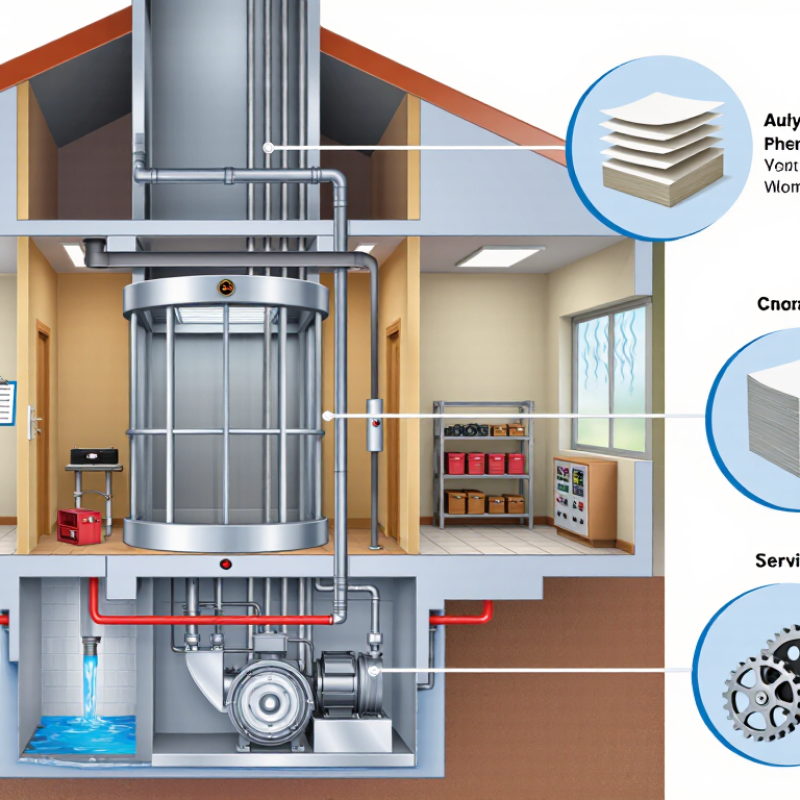
Typical Lifespan of a Residential Elevator in 2026
A residential elevator commonly serves a home for about 20 to 25 years, though actual service life depends on use, installation, and upkeep. The National Association of Home Builders’ 2007 Study of Life Expectancy of Home Components lists elevators in that range. It is a useful industry reference, not a 2026-specific forecast or a guarantee for every home.
In practice, a lightly used elevator in a dry, well-maintained home may age differently from one making frequent trips or exposed to dust and moisture. Listen for new rattles, uneven starts, or doors that hesitate. These details do not prove a system is near failure, but they are worth reporting to a qualified technician. Small changes can be easy to dismiss.
Maintenance records matter. Keep dates for inspections, repairs, and replaced parts, and follow the service schedule in the equipment documentation. A major component may need attention before the elevator reaches 20 years; another may remain serviceable longer. There is no neat birthday when every elevator expires. The NAHB estimate is broad, and that uncertainty deserves attention when planning repairs or replacement.
How Long Major Elevator Components Typically Last
A residential elevator’s service life depends less on its age alone than on how often it runs, how well it is maintained, and the conditions around it. Major components age at different rates. These ranges are useful estimates, not guarantees; an elevator technician can assess the actual condition.
The drive motor and related machinery may last about 15 to 25 years with appropriate maintenance. Control electronics often need attention sooner, commonly after 10 to 20 years, as parts wear or become harder to replace.
Hoisting cables can also require replacement within roughly 10 to 20 years, depending on use and inspection findings. Don’t judge cables by appearance alone. Their condition needs professional evaluation.
Door equipment gets frequent use and may need repairs or replacement sooner than the main drive. Rollers, tracks, and door operators can last around 10 to 15 years, though heavy daily use may shorten that span.
Hydraulic systems may need seals or fluid service well before the cylinder reaches the end of its useful life. Backup batteries often last only three to five years. That’s a short interval.
Keep service records, note unusual noise or uneven movement, and arrange inspections when changes appear. Even a quiet elevator can have parts that are wearing out.
Signs a Residential Elevator May Need Repairs or Replacement
How Long Does a Residential Elevator Last in 2026?
A residential elevator rarely fails without warning. Watch for rough starts, sudden stops, or a cab that sits noticeably above or below the floor. Doors that hesitate, scrape, or fail to close smoothly also deserve attention. A faint new rattle may seem harmless. Keep a note of when it happens and whether it repeats; small changes can be easy to forget.
Some problems call for repair, not replacement. A qualified elevator technician can inspect the drive system, controls, door mechanisms, and safety devices to identify the cause. Repeated service visits, recurring shutdowns, or parts that are difficult to source may point to a larger issue. Don’t dismiss a fault because the elevator works again after a reset. That can hide an ongoing problem.
Replacement becomes worth discussing when major components are deteriorating, reliability keeps declining, or repairs no longer make practical sense. Age alone is not a diagnosis. The elevator’s maintenance history, condition, and available parts all matter. Ask for a written inspection report and a clear comparison of repair and replacement options. It may still feel like a judgment call, and sometimes it is; get a second qualified assessment if the recommendation seems unclear.
Maintenance Practices That Can Extend Elevator Service Life
A residential elevator’s service life depends less on its calendar age than on how consistently its components are inspected and adjusted. The National Elevator Industry, Inc. reports that roughly 900,000 elevators in the United States carry about 18 billion passenger trips annually. That scale reflects the demands of regular use, though a home elevator usually serves fewer people. Keep a service log with dates, repairs, unusual sounds, and door problems. Small details matter.
Follow the maintenance schedule set by the elevator’s manufacturer and qualified technician; do not wait for a breakdown. Under ASME A17.1/CSA B44, a Maintenance Control Program documents maintenance procedures and records. Ask the technician to check door interlocks, leveling accuracy, emergency communication, and wear on cables or hydraulic components, as applicable. Keep the machine space dry and clear, and report a door that closes roughly or a ride that suddenly feels uneven. These symptoms may seem minor, but they can signal adjustment needs. A missed appointment is easy to explain away. Repeated delays, however, leave small faults untracked and can lead to more extensive repairs.
Conclusion
A residential elevator can often provide decades of service, but its useful life depends on how it is designed, installed, and cared for. If you are asking, “what is the lifespan of a residential elevator,” there is no single answer: usage frequency, environmental conditions, equipment quality, and the availability of replacement parts can all affect longevity. Individual components, such as doors, motors, cables, controls, and safety systems, may wear out or require attention at different times, so the elevator as a whole may remain serviceable even when certain parts need repair or renewal.
Unusual noises, slow or uneven travel, frequent shutdowns, and unreliable doors can signal that maintenance or professional inspection is needed. Regular servicing, prompt repairs, keeping the elevator clean and dry, and following the recommended operating guidance can help reduce wear and support dependable operation. When repairs become frequent or essential components are no longer practical to maintain, a qualified assessment can help determine whether upgrading or replacement makes sense.
 Vanguard Lift
