Vanguard Lift Vanguard Lift

How Often Should an Escalator Be Serviced in 2026?

Time:2026-09-13 Author:Aria
0%

How often should an escalator be serviced in 2026? The answer is rarely a simple calendar number. It depends on passenger volume, operating hours, age, environment, and manufacturer requirements. A quiet office escalator faces different risks from one carrying thousands of commuters daily.

ASME A17.1/CSA B44 and EN 115-1 emphasize planned maintenance, inspections, and documented safety controls. Neither standard supports a universal service interval for every escalator. The U.S. Consumer Product Safety Commission’s injury surveillance reports also show why routine attention matters. Falls, entrapments, and clothing incidents remain linked to equipment condition and passenger behavior. Small warning signs matter. A vibrating step. A missing comb tooth. A hot handrail drive.

David Cooper, a respected lift and escalator consultant, offers a useful principle: “Maintenance intervals should reflect risk, usage, and equipment condition.” That sentence deserves careful attention. It challenges the common assumption that annual servicing is always sufficient. High-traffic systems may require monthly contractor visits, frequent cleaning, and closer component monitoring. Less-used equipment may still need scheduled inspections and immediate checks after unusual noise, flooding, impact, or prolonged shutdowns. Manufacturer manuals, local inspection rules, and maintenance records should guide the final schedule. This article examines how often should an escalator be serviced in 2026, using safety standards, operational evidence, and practical maintenance experience. The answer may be less tidy than expected, but safety rarely rewards convenient guesses.
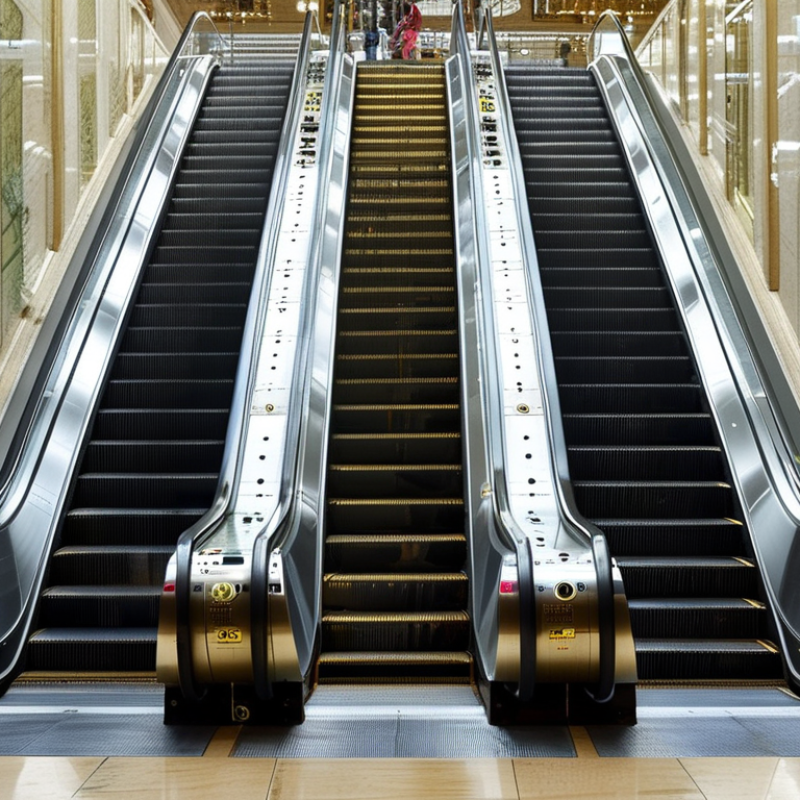
How Often Should an Escalator Be Serviced in 2026?

What Escalator Servicing Means and Why It Matters

How Often Should an Escalator Be Serviced in 2026?

Escalator servicing means more than wiping dusty handrails. Technicians inspect steps, comb plates, handrail speed, brakes, emergency stops, sensors, chains, and safety circuits. They also clean hidden debris and apply approved lubrication where needed. A single coin near a comb plate can create serious trouble.

There is no universal servicing interval for every escalator. High-traffic stations may need weekly cleaning, monthly checks, and detailed quarterly inspections. Smaller sites may follow longer intervals. The correct schedule depends on traffic volume, operating hours, age, weather exposure, and local requirements.

ASME A17.1/CSA B44 and EN 115-2 require planned maintenance and safety inspections, but they do not replace a site-specific risk assessment.

The U.S. Consumer Product Safety Commission has reported roughly 10,000 escalator-related injuries receiving emergency treatment annually in historical injury data. That figure shows why routine servicing matters.

It does not prove that every accident comes from poor maintenance. Human behavior, footwear, clothing, and crowd movement also matter.

A clean escalator can still hide worn bearings. A recent inspection can still miss a developing fault.

Service records should identify defects, corrective work, test results, and the next inspection date. In 2026, qualified technicians should review those records against current standards, manufacturer instructions, and actual passenger use.

Recommended Escalator Service Frequency in 2026

Escalator service frequency in 2026 should follow a risk-based schedule, not a fixed calendar alone. Busy stations, shopping centers, and transit hubs may need professional servicing every month. Lower-use locations may require servicing every two or three months. Local safety rules and the equipment manufacturer’s instructions should always guide the final schedule.

Trained staff should perform basic visual checks each operating day. They can look for unusual noise, uneven steps, damaged handrails, poor lighting, or sudden stops. A qualified technician should complete deeper inspections at least quarterly in normal environments. These inspections should cover brakes, chains, comb plates, emergency stop systems, step alignment, and handrail speed. Keep clear service records. Small details matter.

An annual comprehensive inspection is also advisable, even when the escalator appears reliable. Harsh weather, dust, moisture, and heavy passenger traffic can shorten service intervals. After flooding, construction work, repeated shutdowns, or a reported safety incident, arrange an additional inspection before reopening. Calendar-based maintenance is convenient, but it can create false confidence. I have seen clean-looking equipment hide worn components. That is why inspection findings should adjust the next service date. A perfect schedule rarely exists. Good judgment still matters.

Factors That Determine an Escalator’s Maintenance Schedule

How Often Should an Escalator Be Serviced in 2026?

Factors That Determine an Escalator’s Maintenance Schedule

An escalator should be serviced according to risk, not a convenient calendar. Passenger volume is the strongest starting point. A station escalator carrying thousands of people daily needs closer inspections than one in a quiet office building. The environment also matters. Rainwater, sand, dust, and spilled drinks can reach comb plates, steps, and handrail drives. Outdoor units usually need more attention.

CPSC staff analysis reported about 10,000 escalator-related injuries treated in U.S. emergency departments each year during 2007–2016. That figure supports frequent checks of visible hazards, braking systems, step alignment, and emergency stops. ASME A17.1/CSA B44 and EN 115-1 provide recognized safety requirements, but neither creates one universal service interval. Local regulations and the equipment maker’s maintenance instructions still control the schedule.

In practice, technicians may perform daily operational checks, monthly functional inspections, and deeper servicing every three to six months. Heavy-use equipment may require shorter intervals. A technician should record unusual vibration, delayed braking, oil marks, or a loose handrail. Small signs can become expensive failures.

Still, a fixed schedule is not perfect. Seasonal weather, renovation dust, and repeated shutdowns can change the real risk. Maintenance records should be reviewed after incidents, repairs, or major changes in passenger flow. That human review is easy to neglect.

Key Tasks Included in a Professional Escalator Service

How Often Should an Escalator Be Serviced in 2026?

A professional escalator service should match usage, age, and operating conditions. Busy stations may need monthly inspections and more frequent cleaning. Smaller buildings often schedule quarterly servicing, with daily visual checks by trained staff. Local safety requirements and the manufacturer’s maintenance guidance should always shape the final schedule.

Technicians examine emergency stop buttons, handrail speed, step alignment, comb plates, and skirt panels. They test sensors, brakes, overspeed protection, and communication systems. They also inspect chains, rollers, bearings, drive units, and electrical connections for wear or heat damage. Cleaning matters too. Dust and metal particles can collect beneath steps and increase friction. A technician may use calibrated tools to measure braking distance, clearances, and component movement.

Details matter.

A reliable service includes lubrication where approved, controlled adjustment, and replacement recommendations based on measured wear. Technicians should record faults, photographs, readings, and completed repairs in a service log. This record helps building managers identify repeated problems instead of treating each visit separately. In practice, no checklist is perfect. A quiet escalator can still hide a worn bearing or loose connection. For that reason, experienced technicians should combine documented tests with careful listening and observation. Staff should report unusual vibration, burning smells, rough starts, or sudden stops immediately. Small warnings are easy to dismiss, and that is where maintenance plans sometimes fail.

How Often Should an Escalator Be Serviced in 2026?

Recommended service cadence and key tasks included in a professional escalator maintenance program

A practical maintenance plan typically combines daily operational checks, weekly housekeeping, monthly safety inspections, quarterly preventive servicing, and an annual comprehensive examination. Professional service should include cleaning and lubrication, step and comb-plate inspection, handrail tracking checks, brake and safety-device testing, chain and drive-system inspection, and documentation of defects. Actual intervals must follow local regulations, site usage, risk assessments, and the equipment manufacturer’s instructions.

Warning Signs That an Escalator Needs Immediate Servicing

How Often Should an Escalator Be Serviced in 2026?

An escalator should follow a documented maintenance schedule, not a convenient guess. High-traffic sites often need inspections more frequently than quiet buildings. A qualified technician should assess usage, age, weather exposure, and operating history. ASME A17.1/CSA B44 requires a maintenance control program, but it does not set one universal service interval. Local requirements and equipment conditions still matter.

Warning signs demand immediate servicing. Stop using it. Report grinding, clunking, scraping, or sudden changes in speed. Watch for steps that jerk, gap, tilt, or fail to align with the landing. A handrail moving faster or slower than the steps is another serious defect. Broken comb teeth, missing skirt brushes, flickering lights, oil leaks, and repeated emergency stops also need prompt attention. Do not ignore this.

The U.S. Consumer Product Safety Commission estimated about 11,000 escalator-related injuries required emergency treatment annually during 2007–2016, mainly from falls and entrapment incidents (CPSC, Escalator-Related Injuries and Deaths, 2007–2016). That report is older, so it should not be treated as a 2026 forecast. Still, it shows why small movement changes deserve investigation. A basic visual check can miss worn bearings or hidden electrical faults. Records should include inspection dates, defects, repairs, and parts replaced. In practice, incomplete records are often the first warning sign.

How Often Should an Escalator Be Serviced in 2026? - Warning Signs That an Escalator Needs Immediate Servicing
Service Dimension Recommended Frequency or Trigger Typical Scope of Work Warning Signs to Check Priority Recommended Response
Routine site observation Daily or before opening Check the entrance and exit areas, handrails, steps, comb plates, emergency stop controls, lighting, cleanliness, and unusual sounds. Visible damage, loose debris, missing step components, poor lighting, or an emergency stop button that appears damaged. Routine Record the observation and remove the escalator from service if a safety-critical defect is found.
Basic operational inspection Weekly to monthly, depending on usage Test starting and stopping behavior, direction indicators, handrail movement, skirt panels, comb areas, and access restrictions. Jerky starts, irregular stopping, inconsistent handrail speed, unusual vibration, or repeated nuisance shutdowns. Planned Arrange inspection by a qualified escalator technician. Do not continue normal public use if operation is unstable.
Preventive maintenance service Every 1 to 3 months Inspect drive components, chains, brakes, steps, rollers, handrail systems, safety switches, comb plates, lubrication points, and machine-room conditions. Metal-on-metal noise, excessive chain slack, worn rollers, oil leakage, abnormal heat, or visible wear around moving parts. Planned Schedule corrective work promptly and adjust the interval based on traffic volume, operating hours, environment, and maintenance history.
High-traffic or harsh-environment service More frequently than quarterly when required Increase inspection frequency for escalators exposed to heavy passenger loads, dust, moisture, outdoor conditions, shopping carts, or extended operating hours. Frequent shutdowns, rapid accumulation of debris, water ingress, accelerated component wear, or recurring faults between scheduled visits. Planned Use a condition-based schedule and keep detailed records of faults, repairs, operating hours, and component replacement.
Comprehensive safety inspection At least annually, or as required by local regulations Review safety devices, braking performance, step and handrail systems, electrical controls, guarding, signage, access panels, and emergency procedures. Failed safety-device tests, damaged guarding, inaccessible emergency controls, deteriorated wiring, or unresolved defects from earlier inspections. Planned Complete documented testing by competent personnel and comply with the applicable local code, inspection, and certification requirements.
Unexpected noise or vibration Immediately when noticed Investigate grinding, scraping, knocking, rattling, severe vibration, or changes in normal operating sound. Sudden loud noise, step movement, shaking handrails, or vibration that increases with passenger load. Immediate Stop public use, isolate the escalator, and request qualified emergency servicing before restarting.
Step, comb plate, or handrail defect Immediately when identified Inspect step alignment, step surfaces, comb teeth, skirt clearances, handrail condition, and entry or exit transitions. Cracked or missing step parts, broken comb teeth, uneven steps, trapped objects, torn handrails, or excessive gaps. Immediate Close the escalator and prevent access until the defective component has been repaired or replaced.
Brake, start, or stop irregularity Immediately when experienced Check controlled starting, stopping distance, brake response, direction control, and emergency stop operation. Unexpected stopping, failure to stop promptly, rollback, overspeed, sudden acceleration, or movement in the wrong direction. Immediate Remove from service immediately and arrange specialist testing of the drive, brake, controls, and safety circuits.
Water, oil, smoke, or electrical odor Immediately when observed Identify signs of water intrusion, lubricant leakage, overheating, electrical arcing, or damaged insulation. Standing water, dripping fluid, burning smell, smoke, sparks, hot components, or repeated electrical trips. Immediate Stop and isolate the equipment. Keep people away and request qualified electrical and mechanical inspection.
After a major event or extended shutdown Before returning to public service Inspect after flooding, fire, impact, construction work, vandalism, prolonged inactivity, or any major component replacement. Corrosion, contaminated components, damaged guards, altered floor finishes, water damage, or unknown equipment status. Immediate Complete a documented recommissioning inspection and verify all protective devices before reopening.
Important: These intervals are general maintenance-planning guidance for 2026. The equipment manufacturer’s instructions, site risk assessment, maintenance history, and applicable local regulations should determine the final service schedule. Any safety-critical warning sign requires immediate isolation and inspection by qualified personnel.

FAQS

What does professional escalator servicing include?

Technicians inspect steps, comb plates, handrails, brakes, sensors, chains, and safety circuits. They also remove hidden debris and apply approved lubrication. Details matter.

How often should an escalator be serviced in 2026?

Busy stations may need weekly cleaning, monthly checks, and quarterly detailed inspections. Smaller buildings may use quarterly servicing with daily visual checks. The final schedule depends on traffic, operating hours, age, weather, and local requirements.

Why can a small object cause a serious problem?

A coin near a comb plate can affect step movement and create dangerous interference. Dust and metal particles may also increase friction below the steps. Tiny debris matters.

What safety components should technicians test?

Technicians should test emergency stops, sensors, brakes, overspeed protection, and communication systems. They should also check handrail speed, step alignment, skirt panels, and braking distance.

What signs should building staff report immediately?

Staff should report unusual vibration, burning smells, rough starts, sudden stops, or unfamiliar noise. These signs may indicate worn bearings, loose connections, or other developing faults. Do not dismiss them.

Why are service records important?

Records should show defects, photographs, measurements, repairs, test results, and the next inspection date. They help managers notice repeated problems instead of treating every visit separately. Missing details weaken the whole maintenance plan.

Can a recent inspection guarantee that an escalator is safe?

No inspection can guarantee that every developing fault was found. A quiet escalator may still contain a worn bearing or loose connection. Human behavior, clothing, footwear, and crowd movement also affect safety.

Should every escalator follow the same maintenance schedule?

No. A heavily used station and a small building face different operating conditions. Local requirements, safety standards, equipment guidance, and a site-specific risk assessment should shape the schedule. One fixed interval sounds convenient, but it may be wrong.

Conclusion

Understanding how often should an escalator be serviced is essential for maintaining safety, reliability, and passenger comfort in 2026. Most escalators should receive routine professional servicing at least twice a year, while those in busy transport hubs, shopping centers, and other high-traffic locations may require quarterly inspections or more frequent attention. The ideal schedule depends on operating hours, passenger volume, environmental conditions, equipment age, and the manufacturer’s technical recommendations.

A professional service typically includes checking steps, handrails, comb plates, brakes, sensors, drive components, lubrication points, electrical systems, and emergency stop functions. Technicians may also clean critical areas, identify wear, adjust moving parts, and record findings for future planning. Unusual noises, jerky movement, slipping handrails, delayed starts, repeated stoppages, uneven steps, visible damage, or burning smells are warning signs that immediate servicing may be necessary. Regular maintenance helps detect small issues early, reduce unexpected downtime, extend equipment life, and support a safer experience for every passenger.

Aria

Aria

Aria is a dedicated marketing professional with a deep passion for innovative strategies and a keen understanding of our company's product offerings. With a wealth of experience in the industry, Aria excels at crafting engaging content that highlights the unique features and benefits of our......