Vanguard Lift Vanguard Lift

How Long Does It Take to Install a Home Lift in China?

Time:2026-08-14 Author:Aria
0%

Installing a home lift in China has become increasingly popular. As urban living spaces become smaller, more families look for efficient ways to enhance accessibility. But how long does it take to install a home lift? According to industry expert Zhang Wei, "The installation time can vary greatly based on design and location."

The installation of a home lift typically ranges from a few days to several weeks. Factors such as building structure and lift type play significant roles in the timeline. For instance, retrofitting an existing home may take longer than installing in new constructions. Each project is unique, which adds complexity to the estimated time frame.

Homeowners should anticipate unexpected delays, such as permit approvals or design modifications. Clear communication with contractors helps mitigate these risks. While many aim for quick installations, the focus should also be on safety and quality. Ultimately, understanding how long it takes to install a home lift requires careful planning and consideration of multiple factors.
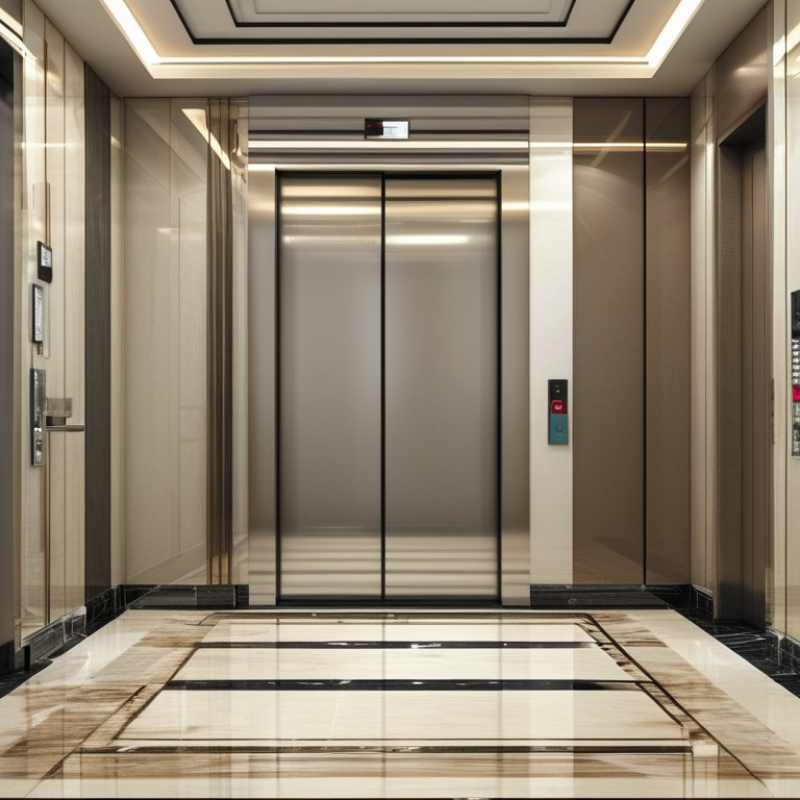
How Long Does It Take to Install a Home Lift in China?

Overview of Home Lift Installation Process in China

Installing a home lift in China involves several steps. First, a thorough assessment of the property is needed. This helps determine the lift’s design and size. Factors like available space and structural requirements must be evaluated. Experienced technicians often conduct this assessment. They ensure that the installation meets local building codes and safety regulations.

After the assessment, the next phase is planning. This includes obtaining necessary permits and approvals. The duration of this phase varies. Regulatory processes can sometimes complicate the timeline. It is crucial to engage with local authorities early to avoid potential delays.

The installation phase generally takes a few days to a couple of weeks. This can depend on the complexity of the lift and building. Skilled installers work diligently, yet unexpected issues may arise. Adjustments or modifications often need to be made. Communication with the installation team is vital during this time. It helps ensure everyone is aligned on expectations and timelines.

Average Timeframe for Home Lift Installation in Urban vs. Rural Areas

Installing a home lift in China varies significantly depending on location. In urban areas, the average installation timeframe is around 2 to 4 weeks. This includes the time needed for planning, obtaining permits, and actual installation. Urban settings often benefit from easier access to skilled labor and specialized equipment. According to industry reports, dense populations in these areas lead to a faster service response.

In contrast, rural areas face a different scenario. Installation can take 6 to 8 weeks on average, often due to logistical challenges. Access to resources and skilled professionals is limited. Additionally, permit processes may take longer. Reports indicate that only about 30% of rural homeowners have access to the same level of installation service as their urban counterparts. This discrepancy raises questions about equity and affordability in infrastructure development.

Engaging local contractors with experience in rural projects can mitigate some delays. However, inexperienced teams may struggle with technicalities. Adapting urban methodologies to meet rural needs requires thoughtful planning. Understanding these nuances is essential for successful installations, making it a complex but rewarding undertaking.

Key Factors Affecting Installation Duration of Home Lifts

Installing a home lift in China is not a simple process. The installation duration can vary significantly based on several factors. One primary aspect is the type of lift chosen. For instance, hydraulic lifts typically take longer to install than traction lifts due to their setup complexity. Homeowners should consider space accessibility as well. Limited access can slow down the installation, as it may require extra planning and labor.

The location is another key factor. In densely populated areas, permits and inspections may take longer to complete. Weather conditions can also impact progress. Rain or storms might delay work on site. Furthermore, skilled labor availability is crucial. If the right technicians are not accessible, the installation timeline can stretch. Homeowners should do their research and perhaps even seek recommendations to ensure skilled labor is on hand.

Finally, customization requests can add time to the project. If a homeowner wants specific features or finishes, the installation might take longer. This could lead to frustration. Balancing desires with practicality is essential. Clear communication with contractors can help set realistic expectations. Overall, understanding these factors can better prepare homeowners for the installation journey.

Regulatory Requirements and Industry Standards in Home Lift Installation

In China, the installation of home lifts is subject to specific regulatory requirements. These regulations aim to enhance safety and ensure quality. The Ministry of Housing and Urban-Rural Development oversees the standards for lifts installed in residential buildings. Compliance with the GB/T 10058-2016 standard is crucial. This standard details the technical specifications and installation procedures for lifts. According to industry reports, about 70% of installations face delays due to inadequate knowledge of these regulations.

Professional expertise is invaluable during the installation process. Engineers must conduct thorough evaluations of the building structure. They must also ensure that all safety measures are in place. Reports indicate that improper installation can lead to accidents. A staggering 30% of lift failures result from faulty installations. Furthermore, ongoing maintenance is often neglected post-installation. This oversight can compromise safety and function in the long term.

Community awareness is another important factor. Many potential homeowners lack knowledge about regulatory requirements. Industry surveys reveal that nearly 40% of homeowners are unaware of necessary safety inspections after installation. Addressing these gaps in knowledge is essential. The responsibility does not fall solely on installers. Homeowners must also seek information and advocate for their safety.

How Long Does It Take to Install a Home Lift in China? - Regulatory Requirements and Industry Standards in Home Lift Installation

Phase Estimated Time (Days) Key Requirements Standards
Initial Assessment 3 Site evaluation, structural analysis GB/T 10000
Design Approval 5 Blueprint submission, compliance check GB 5249
Installation 15 Installation of lift and control systems GB 7588
Final Inspection 2 Safety checks, functionality tests GB/T 26299
Certification 3 Issuance of compliance certificate GB/T 5789

Typical Costs and Budgeting Considerations for Home Lift Projects

Installing a home lift in China involves various costs that homeowners should carefully consider. The typical price range for such projects can vary significantly. On average, you may see costs between 60,000 to 200,000 RMB. Factors influencing this range include the type of lift, the materials used, and specific customization.

Budgeting for a home lift should also include ongoing maintenance and installation fees. These costs can add up over time. Be sure to allocate funds for unexpected expenses that often arise during installation. Consult with professionals in the field. Their expertise can help you avoid common pitfalls.

In addition to initial costs, think about power consumption and potential renovations. Lifts may require alterations to your home, impacting your overall budget. It's vital to plan for every aspect of the project. This ensures a seamless integration of your lift into the existing structure. Don't overlook these considerations to create a safe and functional living space.

Estimated Time and Cost for Home Lift Installation in China

FAQS

: What factors influence the installation duration of home lifts?

: Installation duration is impacted by lift type, space accessibility, location, weather, labor availability, and customization requests.

Why do hydraulic lifts take longer to install?

Hydraulic lifts are more complex to set up than traction lifts, leading to longer installation times.

How does location affect home lift installation?

Densely populated areas may require longer permit and inspection processes, delaying installation.

Can weather conditions cause installation delays?

Yes, rain or storms can hinder on-site work, resulting in potential delays.

Why is skilled labor important for installation?

The availability of skilled technicians is crucial. A lack of qualified help can extend the project timeline.

How should homeowners budget for home lift installation?

Consider initial costs, ongoing maintenance, and unexpected expenses to avoid budget issues.

What additional costs should homeowners expect?

Homeowners might face extra costs for power consumption, renovations, or specific customization features.

How can clear communication with contractors help?

Effective communication ensures realistic expectations and better project management during installation.

Should homeowners plan for customization requests?

Yes, customization can increase installation time and costs, so planning is essential.

What should homeowners consider during the budgeting process?

Include all potential costs and consult with professionals to create a comprehensive budget plan.

Conclusion

The installation of a home lift in China involves several key steps and can vary significantly in duration based on various factors. When considering how long does it take to install a home lift, one must take into account the differences between urban and rural areas, as installations in urban regions may be completed more quickly due to better access to resources and infrastructure. Typically, the installation process can range from a few weeks to several months, influenced by factors such as site preparation, availability of materials, and the complexity of the lift system.

Additionally, regulatory requirements and industry standards play a critical role in the installation timeframe. Compliance with safety regulations and obtaining the necessary permits can extend the duration of installation. Prospective homeowners should also factor in budgeting considerations, as costs can fluctuate based on the type of lift, construction work required, and installation timelines. Overall, understanding these elements is crucial for anyone asking, "how long does it take to install a home lift?

Aria

Aria

Aria is a dedicated marketing professional with a deep passion for innovative strategies and a keen understanding of our company's product offerings. With a wealth of experience in the industry, Aria excels at crafting engaging content that highlights the unique features and benefits of our......