Vanguard Lift Vanguard Lift

How to Make an Elevator Wheelchair Accessible for Everyone?

Time:2026-06-13 Author:Henry
0%

Creating an elevator that is wheelchair accessible requires careful planning and consideration. Accessibility is a crucial aspect of modern building design. Knowing how to make an elevator wheelchair accessible can bridge gaps for individuals with mobility challenges.

In this guide, we will explore the essential features and modifications needed. Everyone deserves the freedom to move between floors without barriers. An accessible elevator should include elements like wider doors, smooth transitions, and sufficient space for maneuvering. Clear signage and easy-to-use controls are also vital.

However, many elevators still lack these crucial elements. Some designs overlook the specific needs of wheelchair users. Continuous improvement is necessary in the industry. It is important to reflect on current practices to enhance inclusivity. Everyone must advocate for changes that support all individuals, regardless of their physical capabilities. Together, we can create a more accessible world.
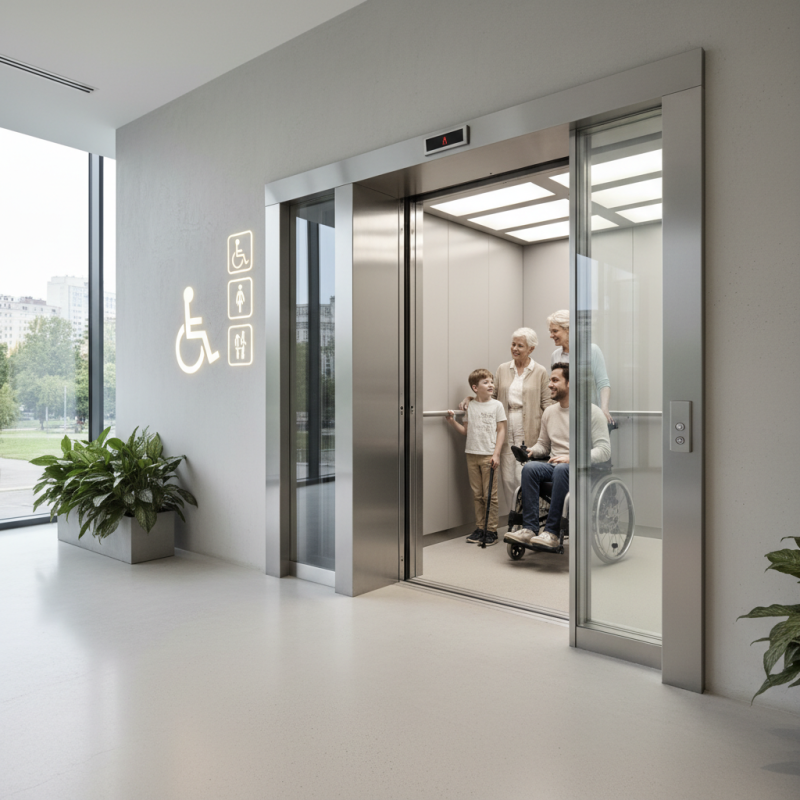
How to Make an Elevator Wheelchair Accessible for Everyone?

Understanding the Importance of Wheelchair Accessibility in Elevators

Elevator accessibility is crucial for individuals with mobility challenges. A well-designed elevator can make a significant difference in their daily lives. It ensures that everyone has equal access to buildings. This is not just about compliance with regulations; it reflects a commitment to inclusivity.

Many elevators fall short of accessibility standards. For instance, some may have buttons that are too high or difficult to reach. This oversight can be frustrating for users. Ramps and door width are also important factors. If the entrance isn't wide enough, a wheelchair user may feel unwelcome. Each detail matters in creating an accessible environment.

Community input is vital in this process. Engaging with those who use wheelchairs can provide insights into their needs. Their experiences can highlight flaws in current designs. Accessibility should not be an afterthought. Regular assessments and updates are necessary. Without these, elevators may fail to serve everyone effectively. Each step toward better accessibility is a step toward a more inclusive world.

Understanding Wheelchair Accessibility in Elevators

Identifying Key Regulations and Standards for Accessible Elevators

Making elevators wheelchair accessible involves understanding key regulations and standards. Compliance with the Americans with Disabilities Act (ADA) is crucial. The ADA specifies that elevators must be usable by individuals with disabilities, promoting equality in public spaces. According to the U.S. Access Board, elevators in new construction or renovations must have controls within reach and at accessible heights.

One primary concern is dimensions. Elevators need to provide adequate space for wheelchair users. The minimum clear inside dimensions should be at least 68 inches deep and 80 inches wide, allowing maneuverability. Furthermore, the doors should automatically open and remain open long enough for users to enter or exit safely. These specifications help eliminate barriers.

Tips: Evaluate your elevator design. Ensure the call buttons are positioned 15 to 48 inches above the floor. Label them in Braille to assist visually impaired users. Regularly assess the elevator’s functionality to ensure it meets all accessibility standards.

Awareness of these regulations can foster inclusivity. It’s essential to involve stakeholders in the planning process. Collecting feedback from people who use wheelchairs can provide valuable insights. Accessibility is not just about meeting codes; it’s about creating welcoming spaces for all community members.

Evaluating Existing Elevator Designs for Wheelchair-Friendly Options

When evaluating existing elevator designs for wheelchair accessibility, it’s crucial to focus on user experience. According to the American Disabilities Act, elevators must be equipped with specific features to accommodate wheelchairs. However, many designs still fall short. For instance, a study from the National Institute of Standards and Technology highlights that only 60% of commercial buildings meet these standards.

Many elevators lack essential features like proper door sensors and appropriate interior space. These elements are vital for allowing easy entry and exit for wheelchair users. Furthermore, tactile buttons are often too high or too low. This oversight can hinder independence for individuals with mobility challenges. A report from the Center for Universal Design emphasizes that elevators should empower all users, not just meet the minimum requirements.

Accessibility doesn't stop at elevator design. Ongoing evaluations reveal that many existing models require retrofitting. While advancements have been made, a significant percentage of urban buildings still need improvements. This raises questions about accountability among architects and developers. As we strive for inclusivity, there is a clear need for a more comprehensive approach to elevator design. Every building should reassess its commitment to creating environments that welcome everyone.

Implementing Accessibility Features in Elevator Systems

Making elevators wheelchair accessible is vital for inclusivity. Around 10% of the global population lives with disabilities, according to the World Health Organization. Elevators should be equipped with features that cater to all users. This includes wider doors and lower control panels. A comfortable experience is essential for everyone.

When designing elevators, consider tactile buttons and visual indicators. These features aid both visually impaired users and those with mobility challenges. The Americans with Disabilities Act (ADA) suggests installing buttons at a maximum height of 54 inches. This height enables everyone to reach them with ease. It’s crucial to ensure smooth transitions between floors, which can help prevent accidents.

Tips: Install clear signage inside and outside the elevator. This assists users in navigating with confidence. Regular maintenance checks can prevent malfunctions and keep the system reliable. Additionally, creating feedback channels can help gather suggestions from users, enhancing the system over time.

Testing and Maintaining Elevators for Continuous Accessibility Compliance

Ensuring elevator accessibility for everyone involves regular testing and maintenance. Elevators must comply with safety regulations. Routine checks can identify potential issues before they become serious.

Regular inspections are vital. Elevators should be tested for functionality, including doors and control panels. Compliance with regulations ensures they serve all users. Consider the importance of checking the audio and visual alerts. They guide users effectively.

Tips for maintaining elevators include keeping a maintenance log. Track all repairs and inspections. This log helps identify recurring issues. Also, train staff on accessibility standards. Their awareness can make a huge difference. Elevators may sometimes fail. Creating a plan for emergencies is critical. Users need reassurance that help is available.

How to Make an Elevator Wheelchair Accessible for Everyone? - Testing and Maintaining Elevators for Continuous Accessibility Compliance

Feature Standard Compliance Testing Frequency Last Inspection Date Next Scheduled Maintenance
Door Width ADA Compliant (36 inches) Monthly 2023-09-15 2023-10-15
Control Panel Height ADA Compliant (48 inches max) Monthly 2023-09-10 2023-10-10
Visual Indicators LED Display Quarterly 2023-08-05 2023-11-05
Audio Announcements Compliant with ADA Semi-Annually 2023-07-20 2024-01-20
Emergency Features ADA Compliant Annually 2023-06-30 2024-06-30

FAQS

: Why is elevator accessibility important for individuals with mobility challenges?

: Elevator accessibility is vital as it ensures equal access to buildings for individuals with mobility challenges.

What are common issues in elevator design related to accessibility?

Common issues include buttons placed too high, narrow entrances, and inadequate door widths. These create barriers for wheelchair users.

How can community input improve elevator accessibility?

Engaging with wheelchair users provides insights into their needs and highlights design flaws. Their feedback is essential for improvements.

What are the basic regulations for wheelchair-accessible elevators?

Elevators must comply with regulations such as the Americans with Disabilities Act. This includes reachable controls and adequate space.

What dimensions should an elevator have for wheelchair accessibility?

Elevators should ideally be at least 68 inches deep and 80 inches wide for proper maneuverability.

How can elevator call buttons be made more accessible?

Call buttons should be positioned 15 to 48 inches above the floor and labeled in Braille to assist visually impaired users.

Why is regular assessment of elevator accessibility important?

Regular assessments are necessary to ensure elevators meet accessibility standards and serve all users effectively.

What features are crucial for wheelchair-friendly elevators?

Key features include proper door sensors, adequate interior space, and correctly placed tactile buttons for user independence.

Are many existing elevators compliant with accessibility standards?

No, studies show that only about 60% of commercial buildings meet accessibility standards, indicating a need for improvements.

What is needed to create more inclusive elevator designs?

A comprehensive approach involving reassessment of designs and accountability among architects and developers is essential for inclusivity.

Conclusion

Creating an elevator that is wheelchair accessible involves understanding the significance of accessibility in enhancing mobility for everyone. It is crucial to identify key regulations and standards that ensure compliance with accessibility requirements, which can guide the design and retrofitting of existing elevators. Evaluating current elevator designs for wheelchair-friendly options helps in recognizing the gaps and potential improvements.

To effectively implement accessibility features in elevator systems, it is essential to incorporate design elements such as wider doors, lower control panels, and auditory signals. Regular testing and maintenance of these systems ensure continued compliance and address any issues that may arise. Ultimately, knowing how to make an elevator wheelchair accessible not only complies with legal standards but also fosters an inclusive environment for all users.

Henry

Henry

Henry is a dedicated marketing professional with a profound expertise in the company's offerings. With years of experience in the industry, he possesses an impressive understanding of the market dynamics and consumer behaviors that drive success. Henry is committed to sharing his insights through......