Vanguard Lift
As buildings evolve to meet modern standards, upgrading elevators is crucial. This article delves into how to modernize an old passenger elevator. An outdated elevator can hinder accessibility and efficiency. It may lack safety features and consume more energy, leading to higher operational costs.
Modernization improves functionality and enhances user experience. Incorporating smart technology can streamline access and improve maintenance. Energy-efficient components reduce operational expenses and environmental impact. However, the process can be complex and costly.
It's essential to assess your existing elevator system. Consider factors like usage patterns, safety requirements, and the latest technology available. Reflecting on your building's unique needs will guide a successful upgrade. With careful planning and professional assistance, the modernization process becomes manageable and beneficial.
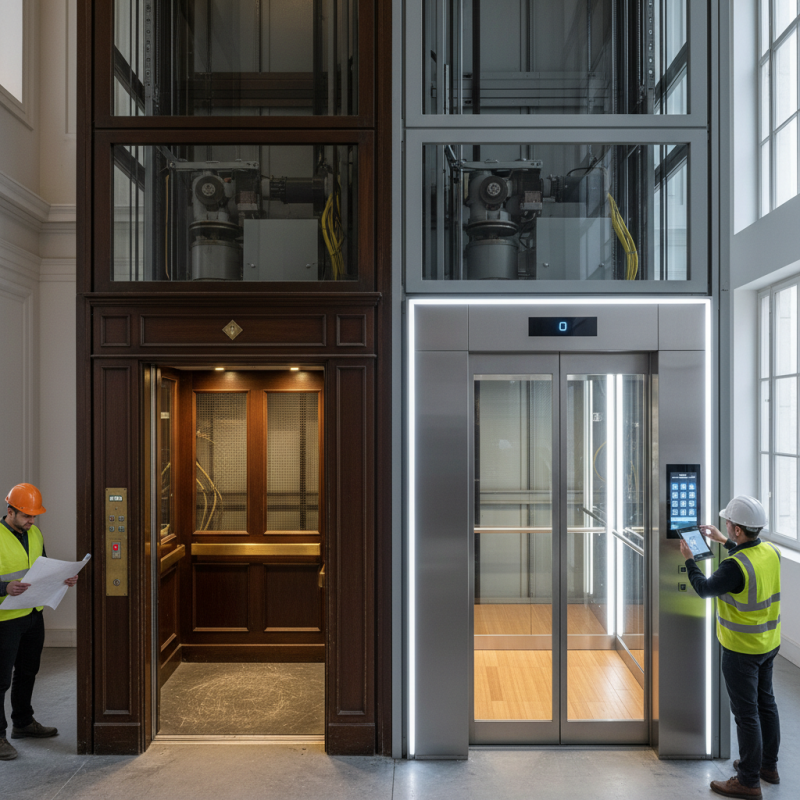
Assessing the current state of your old passenger elevator is essential for modernization. Many buildings still rely on elevators that are over 20 years old. According to the National Elevator Industry, nearly 30% of elevators in service are approaching the end of their operational lifespan. This makes it crucial to evaluate their performance, safety features, and energy efficiency.
Begin by analyzing the elevator's mechanical components. Check for signs of wear or outdated technologies. Inspect the motor, cables, and control systems. Many older models lack advanced control features, such as destination dispatch. These upgrades can improve efficiency by up to 30%, as reported by the American Society of Mechanical Engineers. Assess safety features too. Compliance with the latest regulations is vital for the safety of passengers.
Energy efficiency is another key area to evaluate. Many older elevators consume excessive energy, leading to high operational costs. The U.S. Department of Energy indicates that modern elevator systems use at least 50% less energy than their predecessors. Making these assessments can reveal shortcomings and highlight potential for improvement. Investing in upgrades is a significant step towards a safer and more efficient building.
As we approach 2026, modernizing old passenger elevators is essential. Identifying key needs can help property owners enhance safety, efficiency, and aesthetics. Many older elevators lack contemporary safety features like emergency communication systems. Upgrading these systems can greatly enhance user confidence.
The trend toward energy efficiency is also significant. Modern elevators can utilize regenerative drives, which recycle energy. This can lower operating costs over time. However, many properties overlook this aspect. It’s crucial to conduct an energy audit before committing to any upgrades.
Accessibility plays a vital role in modernization. Ensuring compliance with the latest standards for people with disabilities is non-negotiable. Outdated elevators often have insufficient floor indicators and barely visible buttons. The integration of smart technology can significantly improve the user experience. However, the implementation could be challenging. Balancing traditional mechanics with new tech may require expert advice and careful planning.
Modernizing an old passenger elevator can significantly enhance building efficiency and safety. One exciting option is to integrate smart technology. Smart elevators use cloud-based systems for real-time data analysis and communication.
This tech can improve passenger experience. For instance, the elevator can anticipate demand and reduce wait times. These systems also allow for remote monitoring, improving maintenance schedules.
Additionally, features like touchless controls and mobile connectivity elevate convenience. Passengers can call an elevator with their smartphones. This not only reduces physical contact but also streamlines the journey.
Smart technology can feel intimidating. Property owners may need to invest time in understanding these tools. Getting it right is a learning process, and some upgrades may not deliver expected results right away.
Even though the initial investment might be high, the long-term benefits often outweigh costs. Automated systems can lower energy consumption and cut down on operational costs. However, it’s crucial to choose the right technology that best fits your building's needs, as not every solution is universal.
Embracing this modern approach might require a shift in mindset, but it can transform an aging elevator system into a prospective asset.
Modernizing your old passenger elevator for the future requires a focus on energy efficiency and sustainability. Upgrading components like motor systems can significantly reduce energy consumption. Consider installing regenerative drives. These can capture and reuse energy during elevator movements. This reduces overall energy costs and helps the environment.
Using LED lighting inside the elevator enhances energy savings. Unlike traditional bulbs, LEDs consume less power and last significantly longer. Another improvement is implementing automatic standby modes. This can reduce energy use when elevators are not in service. Incorporating natural materials for interiors can also promote sustainability. These choices encourage a greener approach to design.
Yet, there can be challenges. It's important to balance aesthetics with efficiency. Some upgrades may require extensive modifications to existing structures. Consulting with experts can guide you through the process. Ensure your decisions align with current standards and best practices. These steps not only enhance sustainability but also improve user experience in the long run.
| Feature | Description | Energy Savings (%) | Estimated Cost ($) |
|---|---|---|---|
| LED Lighting | Replace incandescent bulbs with energy-efficient LED lights. | 30% | $500 |
| Regenerative Drive | Install a drive that regenerates energy during descent. | 50% | $3,000 |
| Smart Control System | Implement a system that optimizes elevator usage based on demand. | 25% | $2,000 |
| Eco-Friendly Materials | Use sustainable materials for elevator cab and fixtures. | - | $1,500 |
| Standby Mode | Enable a mode where the elevator remains in standby when not in use. | 20% | $800 |
Modernizing your old passenger elevator is a crucial investment. Planning and budgeting play a key role in this process. According to the National Elevator Industry, modernization can yield a return on investment of up to 30%. Proper planning starts with a comprehensive assessment of your current elevator system. Evaluate its age, performance, and safety features. Identifying these factors helps prioritize upgrades and allocate resources effectively.
Budgeting for modernization is another critical step. The costs can vary significantly based on the scope of work and location. On average, elevator modernization projects range from $20,000 to $100,000. This broad range necessitates careful consideration of materials, labor, and technology choices. Engaging with experts can guide you in selecting cost-effective solutions that improve safety and efficiency without compromising quality.
It's essential to account for potential challenges during modernization. Delays in material delivery or unforeseen structural issues can extend timelines and increase costs. Keeping a contingency fund of 10-15% is advisable. This fund can address unexpected expenses. Documenting the process is vital, as it provides insights for future projects. Balancing innovation with practicality will lead to a successful modernization.
: It's crucial for identifying performance issues, safety features, and energy efficiency for modernization.
Check mechanical components like the motor, cables, and control systems for wear or outdated technology.
Upgrades like destination dispatch can enhance efficiency by up to 30%. This can lower wait times.
Modern elevators use at least 50% less energy than older models, lowering operational costs.
It allows real-time data analysis, improving passenger experience and maintenance efficiency.
Yes, property owners may find it challenging to understand new tools. There’s a learning curve involved.
Regenerative drives and LED lighting can significantly reduce energy consumption and costs.
Using natural materials promotes a greener approach. It encourages environmental consciousness in design.
Balancing aesthetics with functionality can be difficult, as some upgrades may require structural changes.
Consult with experts to align your upgrades with current standards and best practices for safety and efficiency.
In the quest to answer the question of how to modernize an old passenger elevator, it is crucial to begin by assessing its current state. This involves a thorough evaluation of the elevator's mechanical systems and safety features. Following the assessment, identifying key modernization needs and trends for 2026 becomes vital, especially as technology continues to evolve rapidly.
Exploring smart technology options for upgrades can significantly enhance the user experience, making elevators more intuitive and connected. Additionally, focusing on energy efficiency and sustainability is essential, aligning with contemporary environmental standards while reducing operational costs. Finally, detailed planning and budgeting for your elevator modernization project will ensure that all aspects are addressed systematically, paving the way for a successful transformation. By following these steps, you can effectively modernize your old passenger elevator to meet future demands.
