Vanguard Lift
Outdoor escalators serve as vital components of urban infrastructure, enhancing accessibility in public spaces. However, one critical question arises: why do outdoor escalators need weatherproofing? According to a 2022 report by the International Association of Elevator Manufacturers, over 30% of escalator malfunctions stem from exposure to harsh weather conditions. Rain, snow, and temperature fluctuations can lead to corrosion, electrical failures, and unsafe functioning.
The need for robust weatherproofing is evident not just for safety, but also for longevity. A well-designed weatherproofing system can increase an escalator's lifespan by up to 40%, according to data from the American Society of Mechanical Engineers. Without adequate protection, the risk of accidents increases, impacting user trust and safety. Despite advancements in design, many outdoor escalators still operate without sufficient weather protection, a gap that needs attention in industry standards. Investing in weatherproofing not only ensures safety but also reduces long-term maintenance costs.
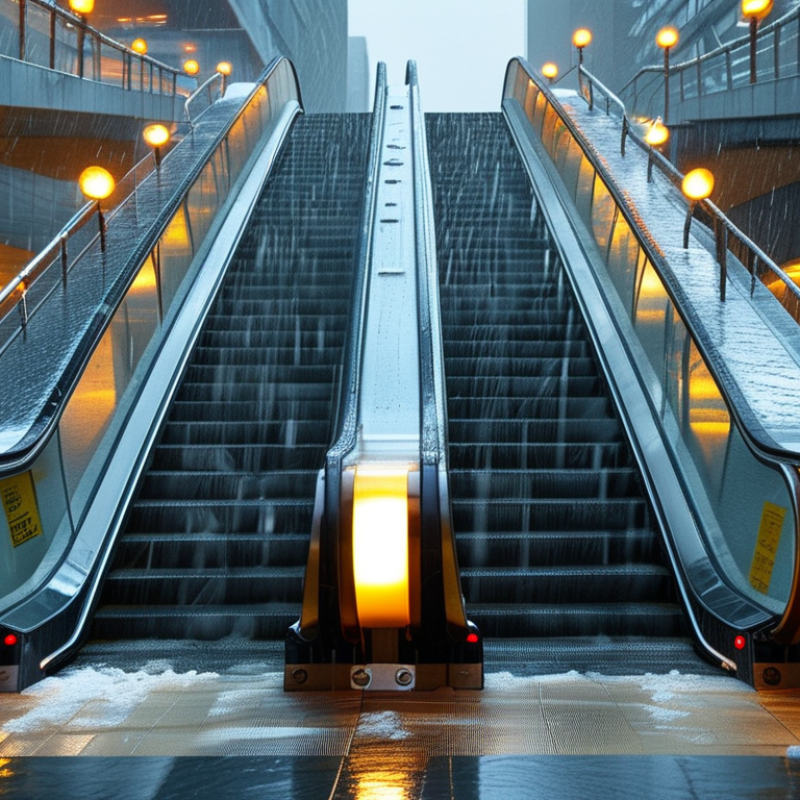
Outdoor escalators are essential for urban environments. They connect different levels and make transit easier. However, exposure to the elements can pose significant risks. Rain, snow, and extreme temperatures can affect their functionality and safety. Weatherproofing is crucial to protect these machines.
The mechanical parts in outdoor escalators are vulnerable. Moisture can cause rust. Snow and ice can create slippery surfaces. These issues can lead to accidents and injuries. Regular maintenance is vital, but weatherproofing adds an extra layer of safety. It ensures that components resist wear and tear from weather exposure. The right materials can keep escalators operational during adverse conditions.
Despite the importance of weatherproofing, some installations are neglected. Owners may prioritize cost over safety. This short-sighted approach can lead to significant consequences. Investing in quality weatherproofing means fewer accidents and longer-lasting equipment. The benefits far outweigh the initial costs. Safety should always take precedence over saving a few dollars.
Outdoor escalators face significant weather-related risks. Rain, snow, and ice can create slippery surfaces that pose safety hazards. Users can easily lose their footing, leading to accidents. Regular exposure to moisture can also affect the escalator's mechanical components. Rust and corrosion are common issues that can cause malfunction.
Wind is another factor to consider. High winds can blow debris onto escalators, potentially damaging components or harming users. Severe weather can lead to power outages, leaving escalators inoperable at critical times. This can frustrate users who rely on these escalators for accessibility.
The effects of temperature fluctuations must not be overlooked. Extreme heat can warp materials, while cold can cause brittleness. Ensuring outdoor escalators are weatherproofed is essential. This protection not only extends the life of the equipment but also safeguards users. Regular maintenance and robust design choices can address many of these vulnerabilities. Responsible planning is key to enhancing safety and functionality.
Outdoor escalators face unique challenges due to weather exposure. Proper weatherproofing is crucial for safety and functionality. Effective solutions include protective coatings and durable materials. These features prevent water ingress, which can lead to rust and electrical failures. According to the American Society of Civil Engineers, nearly 30% of escalator accidents result from malfunctioning equipment. Weatherproofing mitigates these risks significantly.
Quality weatherproofing involves using weather-resistant components. Sealed motors and waterproof control systems enhance reliability. Researchers estimate that up to 40% of outdoor escalator issues stem from harsh weather conditions. Incorporating thermal insulation can also protect escalators from extreme temperatures. Maintenance protocols should regularly check these features for deterioration. Ignoring these checks can lead to costly repairs and safety hazards.
Another critical aspect of weatherproofing is slip resistance. Surface treatments and materials can provide better traction. Statistics indicate that approximately 15% of slip-related injuries occur on escalators. Ensuring pedestrian safety in wet conditions is essential. Furthermore, design flaws can arise from inadequate protection measures. Addressing these factors is vital for the longevity and safety of outdoor escalators.
Outdoor escalators face challenges from various weather conditions. Rain, snow, and extreme temperatures can significantly impact their functionality. When escalators are not weatherproofed, users may encounter slippery steps or mechanical failures. These situations can lead to accidents. Prioritizing safety should be a key focus.
Weatherproofing enhances user safety and escalator longevity. It helps prevent rust and corrosion. A weatherproof exterior maintains the surface grip, reducing slip risks. Moreover, this protective layer extends the escalator's life. Regular maintenance checks, alongside effective weatherproofing, can mitigate wear and tear. These measures offer a more reliable experience.
Despite these advantages, some may overlook weatherproofing's importance until problems arise. Users and operators need to be aware of the signs of wear. Noticeable deterioration can signal the need for immediate attention. Investing in weatherproofing is essential. It safeguards both users and the escalator itself from harsh environmental effects.
| Dimension | Impact | Example Data |
|---|---|---|
| User Safety | Reduction in accidents | 80% reduction in slip incidents |
| Escalator Longevity | Increased lifespan | Up to 10 years extra life |
| Maintenance Costs | Lower maintenance frequency | 30% reduction in annual costs |
| Weather Resistance | Reduced wear from elements | Less than 5% wear per year |
| User Satisfaction | Higher user confidence | 90% user satisfaction ratings |
Maintaining outdoor escalators requires careful attention to weatherproofing. Rain, snow, and extreme temperatures can wear down the machinery. Regular checks help identify weaknesses in seals or protective coatings. Consider using silicone-based sealants to enhance protection. They create a reliable barrier against moisture penetration.
Periodic cleaning is equally important. Dirt and debris can accumulate in joints and mechanisms. This buildup can lead to rust and malfunction. Use gentle cleaning solutions that are safe for metal parts. Inspect the escalator's drainage systems often. Clogged drains can cause serious damage.
Recognizing the environment is vital. In coastal areas, salt exposure may corrode components faster. There isn’t a one-size-fits-all approach. Each location may need tailored solutions. Regular professional maintenance can address these specific needs. Even routine inspections can improve long-term safety and efficiency.
: Rain, snow, and ice create slippery surfaces. This can lead to accidents for users.
Moisture can cause rust and corrosion. This often leads to mechanical malfunctions over time.
It enhances safety and equipment longevity. Effective weatherproofing reduces risks from harsh weather impacts.
Protective coatings and durable materials help prevent water ingress. Weather-resistant components enhance reliability.
Regular maintenance checks are essential. They help identify worn seals and protective coatings.
Use surface treatments for better traction. This is crucial to prevent slip-related injuries.
Coastal areas may experience faster corrosion due to salt exposure. Tailored solutions are often necessary.
Periodic cleaning with gentle solutions is key. This prevents dirt buildup that can cause rust.
Ignoring checks can lead to costly repairs. It may also increase safety hazards for users.
Failing to recognize environmental factors can lead to design flaws. This compromises both safety and equipment lifespan.
Outdoor escalators serve essential functions in public spaces, but they are particularly vulnerable to harsh weather conditions. This brings us to the question: why do outdoor escalators need weatherproofing? Weatherproofing is crucial as it protects these installations from common weather-related risks such as rain, snow, and extreme temperatures, which can lead to operational failures and safety hazards.
Effective weatherproofing solutions incorporate durable materials and protective features that mitigate these risks, enhancing user safety and extending the lifespan of the escalators. By investing in proper weatherproofing measures, operators can significantly reduce maintenance costs while ensuring reliable service in all weather conditions. Additionally, implementing best practices for maintaining weatherproofed outdoor escalators can further enhance their resilience against environmental factors, ensuring that they remain safe and functional for users.
