 Vanguard Lift
Vanguard Lift
Vanguard Lift
Elevators play a crucial role in modern buildings, ensuring smooth vertical transportation. However, many may wonder, "why do elevators need a machine room?" This question highlights the significance of these specialized spaces, which serve various essential functions. Without a dedicated machine room, elevators could face operational inefficiencies and safety risks.
The machine room houses critical components, such as motors and controllers. These elements require space for maintenance and troubleshooting. Moreover, proper ventilation is necessary to prevent overheating during operation. Neglecting the need for such a space could lead to severe problems, including elevator malfunctions. It’s worth considering if building codes and standards are met.
Understanding the purpose of a machine room can foster better designs and safety protocols. Investigating this topic opens the door to discovering the inner workings of elevator systems. As we explore the ten reasons pinpointing the necessity of machine rooms, we uncover insights that emphasize their importance in reliability and performance.
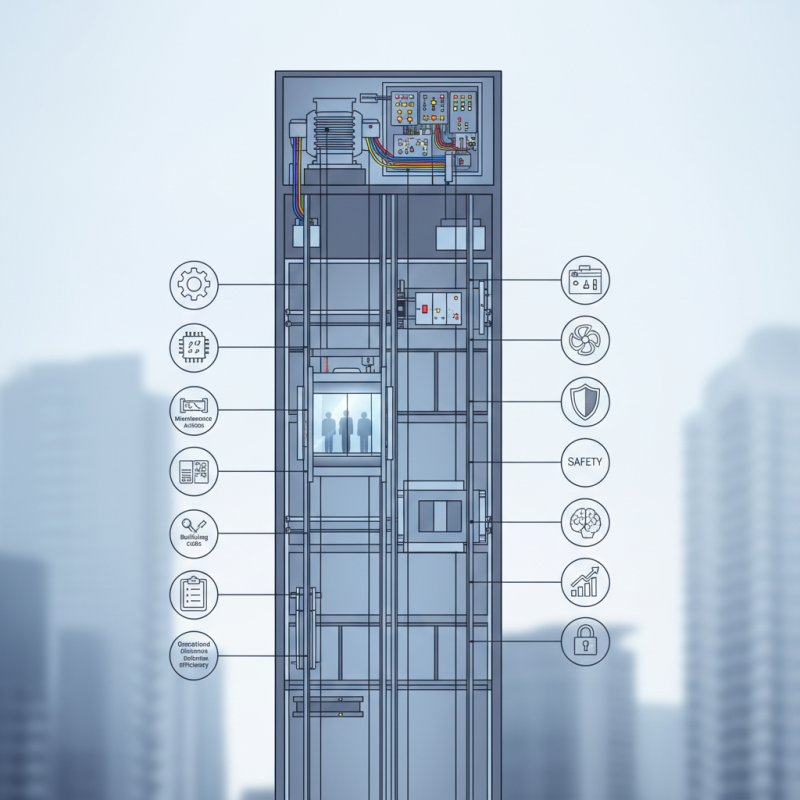
Elevators are essential in modern buildings, but they rely heavily on machine rooms for efficiency and safety. These rooms house critical components such as motors, controllers, and circuit boards. Without a dedicated space, these components could be exposed to environmental factors that may lead to malfunctions. According to the National Elevator Industry, Inc., improper housing of elevator equipment can lead to a 30% increase in maintenance costs.
Machine rooms not only protect equipment but also enhance safety. They provide a controlled environment, reducing the risk of electrical malfunctions. For instance, excess moisture can damage electronics and lead to serious failures. It is reported that equipment failures attributed to poor housing can cause an alarming 25% of elevator accidents. Ensuring that these spaces are well-maintained is crucial for overall building safety.
Tip: Regularly check machine room conditions. Ensure adequate ventilation and humidity control. Neglecting these factors may lead to costly repairs later.
Tip: Invest in proper insulation and soundproofing. This can minimize noise, enhance the comfort of building occupants, and prolong equipment life. Even minor improvements can yield significant benefits.
Machine rooms also provide easier access for technicians. This reduces downtime during maintenance. However, designing these spaces requires thoughtful planning. Overlooking specific needs could lead to accessibility issues. It's important for engineers to consider layout and equipment placement carefully.
| Reason | Description | Benefits |
|---|---|---|
| 1. Housing for Machinery | Machine rooms provide a dedicated space for elevator machinery and controls. | Reduces noise and vibrations in the building. |
| 2. Easy Accessibility | Service personnel can easily access machinery without disrupting operations. | Enhances maintenance efficiency and minimizes downtime. |
| 3. Safety Regulations | Most building codes require a separate machine room for safety reasons. | Ensures compliance with local laws and safety standards. |
| 4. Temperature Control | Machine rooms can be climate-controlled to protect equipment. | Increases equipment longevity and performance. |
| 5. Vibration Isolation | Separate rooms minimize vibrations affecting other building systems. | Enhances comfort for building occupants. |
| 6. Improved Work Environment | Machine rooms provide a clean and organized workspace for technicians. | Reduces the risk of accidents and increases productivity. |
| 7. Equipment Organization | Dedicated space allows for organized placement of all equipment. | Facilitates quicker repairs and inspections. |
| 8. Enhanced Security | Controlled access to machine rooms prevents unauthorized entry. | Protects valuable equipment and maintains system integrity. |
| 9. Flexibility for Upgrades | A designated machine room allows for easier upgrades and modifications. | Extends the lifespan of the elevator system. |
| 10. Aesthetic Consideration | Machine rooms can be designed to be out of sight from public areas. | Maintains the building's aesthetic appeal. |
: Dedicated machine rooms house crucial components, reducing elevator failure risks by up to 30%.
Regular inspections and strict access controls are essential for safety in machine rooms.
Ongoing education and adherence to safety standards play a vital role in ensuring technician safety.
Space constraints may prevent dedicated machine rooms, leading to poor maintenance conditions and elevated risks.
Proper design, including ventilation and organization, enhances performance and reduces maintenance costs.
Good lighting helps technicians spot issues quickly, enhancing safety and efficiency during repairs.
Regular maintenance extends elevator lifespan and allows for early identification of potential issues.
Automation systems monitor performance, reducing downtime and maintenance needs, enhancing reliability.
Clear paths, proper ventilation, and environmental monitoring are crucial for effective maintenance access.
A clean and organized machine room inspires confidence, while clutter could delay emergency responses.
Elevators play a crucial role in modern buildings, and understanding "why do elevators need a machine room" is essential for their effective operation. A machine room houses critical equipment that supports the smooth functioning of elevators, ensuring comprehensive equipment housing that is vital for both performance and safety. The machine room is tasked with various functions, including housing the control systems, motors, and other essential components. This dedicated space enhances safety protocols, minimizing risks associated with elevator operation.
Moreover, the design of the machine room can significantly impact elevator efficiency, as a well-planned layout allows for optimal access and maintenance. With the integration of advanced technology, maintenance practices within these rooms have evolved, leading to improved reliability and reduced downtime. Ultimately, the necessity of a machine room is a testament to the complexity and importance of elevator systems in facilitating safe and efficient vertical transportation.
