Vanguard Lift
Elevator vibration in high-rise buildings is a common issue that affects comfort and safety. Understanding how to reduce elevator vibration in high-rise buildings can enhance the user experience. Vibration can be caused by various factors such as mechanical imbalances and structural limitations. Experts agree that addressing these issues is crucial for a smooth ride.
Proper maintenance is essential to prevent vibration. This includes regular inspections and timely repairs. However, maintenance alone may not solve all problems. When designing elevators, engineers must consider the building's height, materials, and load capacity. This knowledge can lead to innovative solutions.
Investing in advanced technology can also play a significant role. Variable frequency drives, for example, can help control motor speeds and minimize vibrations. Despite these solutions, challenges remain. Some vibrations may still occur due to unforeseen circumstances. Continuous evaluation and adaptation of methods are necessary to effectively tackle this issue.
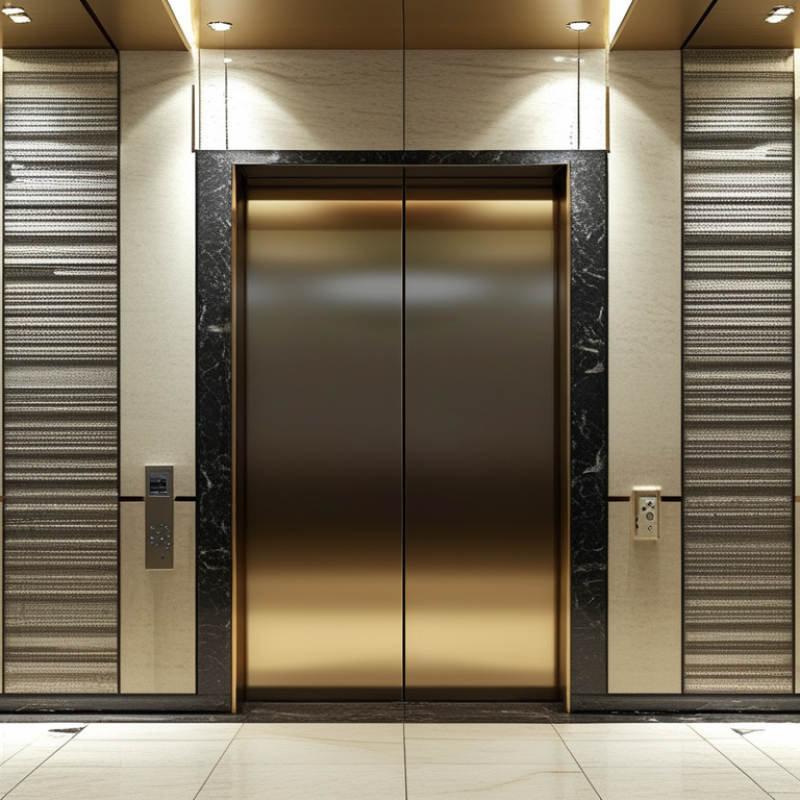
Elevator vibration is a common concern in high-rise buildings. As elevators travel at fast speeds, the mechanical systems can create vibrations. These vibrations can affect the ride quality and the comfort of passengers. It’s essential to understand the sources of this vibration. Factors include mechanical wear, uneven installation, and building sway due to wind or seismic activity. These elements can amplify the sensations of movement, making the ride feel less stable.
To address elevator vibration, engineers use various techniques. Proper installation is crucial. The alignment of the rails and the cabin must be precise. Installing vibration-absorbing materials can also help mitigate effects. Regular maintenance of elevator components is important to ensure efficiency and reduce vibration. However, even well-maintained elevators may still encounter challenges. Designing elevators to account for building movement can complicate solutions. These measures require collaboration among architects and engineers.
The understanding of elevator vibration is critical for enhancing user experience in high-rise buildings. As buildings reach greater heights, the issue may become more pronounced. There is a need for innovative approaches to minimize discomfort. This ongoing pursuit of excellence reflects the complexities of modern architecture and engineering.
Elevator vibration in tall buildings can disrupt the comfort of users. Several factors contribute to this issue. Primarily, rapid acceleration and deceleration during operation create a noticeable sensation. Building sway, caused by wind or seismic activity, also plays a significant role. Heavy loads in the elevators can exacerbate these vibrations.
To mitigate elevator vibrations, consider the following tips. Proper installation is crucial. Ensuring that elevators are aligned correctly can significantly reduce unwanted movements. Maintenance also plays a vital role. Regular checks can identify worn-out components before they become problematic.
Another approach is to use vibration-damping technologies. These systems absorb impacts and reduce the intensity of vibrations. Retrofitting existing elevators with advanced technology can improve user experience. Sometimes, structural adjustments in the building can help as well. While these solutions require investment, they enhance long-term comfort and safety for all occupants.
Minimizing elevator vibration in high-rise buildings requires careful design strategies.
Studies indicate that proper damping systems can reduce vibrations by up to 50%.
Engineers often utilize tuned mass dampers (TMD) to tackle this issue effectively.
These devices absorb motion, allowing elevators to operate smoothly even during windy conditions.
Another effective strategy involves optimizing elevator shaft design.
An ideal shaft minimizes resonances and reduces sound transmission.
Research shows that the inclusion of acoustic materials can diminish vibration levels.
Additionally, the installation of rigid support structures ensures better alignment of the elevator system,
eliminating sources of unnecessary vibration.
Moreover, advancements in technology have led to the development of vibration monitoring applications.
Implementing real-time monitoring can identify issues before they escalate.
However, not all buildings incorporate these systems.
As a result, some high-rises may experience significant vibration problems that could deter residents.
The challenge remains for architects and engineers to balance aesthetic design with effective vibration control.
Addressing this recurring issue can enhance the overall experience in high-rise living spaces.
Elevator systems in high-rise buildings are pivotal for maintaining comfort and efficiency. Recent studies indicate that elevator vibration significantly impacts passenger experience. Reports show that over 30% of occupants in tall buildings experience discomfort due to mechanical vibrations.
Technological innovations are addressing these issues. Advanced control algorithms and sensors are now incorporated into elevator systems. These technologies analyze data in real-time to adjust operations. They help minimize vibrations by adapting to varying conditions like load and speed. Such adjustments can reduce vibrations by up to 40%, highlighting the importance of proactive management.
Additionally, modern materials play a crucial role. Composite materials offer lightweight and durable solutions, improving system stability. However, there are challenges. Not all older buildings can easily integrate these innovations without substantial retrofitting. Moreover, understanding the unique dynamics of each building remains essential for effective upgrade implementations. The path to reducing elevator vibrations is complex but vital for enhancing building performance and occupant satisfaction.
Elevator vibration in high-rise buildings is often a concern for both comfort and safety. Regular maintenance practices can significantly reduce these vibrations. Keeping the elevator system well-lubricated is crucial. Proper lubrication minimizes friction between the moving parts. This simple step can lead to smoother rides and enhance the longevity of the equipment.
Inspecting the roller guides and suspension cables is also essential. Worn or damaged components can lead to increased vibrations. Regular checks ensure that these parts remain in optimal condition. Realigning misaligned components can further help in maintaining stability. Vibration-dampening materials can be added to the elevator shaft as an additional measure. These materials absorb excess vibrations, making the ride more pleasant.
However, not all maintenance practices yield immediate results. Some issues might require deeper investigation, such as examining the structural integrity of the building itself. Addressing these concerns may take time and resources. Each high-rise building has unique challenges, so a tailored maintenance approach is vital. Listening to the feedback from users can help identify vibration-related problems early.
: Rapid acceleration, deceleration, and building sway are significant factors. Heavy elevator loads also worsen vibrations.
Correct alignment during installation minimizes unwanted movements. This simple step boosts user comfort significantly.
Maintenance helps identify worn-out components early. It reduces vibration-related issues and ensures smoother elevator rides.
Lubricating moving parts, inspecting roller guides, and checking suspension cables are essential practices. These contribute to stability.
These systems absorb impacts and reduce vibration intensity. Retrofitting elevators can improve user experience and comfort.
Some issues require deeper investigation. For example, structural integrity problems may take time and resources to address.
Adding vibration-dampening materials can absorb excess vibrations. This makes rides more pleasant and reduces user discomfort.
Listening to user feedback is crucial. It helps identify vibration problems early and allows for timely solutions.
Elevator vibration in high-rise buildings is a common issue that can affect the comfort and safety of passengers. Understanding the causes, which range from mechanical imbalances to wind forces acting on tall structures, is crucial in addressing this problem. Effective design strategies play a significant role in how to reduce elevator vibration in high-rise buildings; incorporating dampeners, isolators, and appropriate shaft designs can significantly mitigate vibrations.
Additionally, technological innovations in elevator systems, such as advanced control systems and precision-engineered components, further enhance stability. Regular maintenance practices, including inspection and adjustment of mechanical parts, are essential to ensure optimal performance and minimal vibration over time. By implementing these strategies and innovations, building managers can effectively reduce elevator vibration, ensuring a smoother and more comfortable experience for occupants.
