Vanguard Lift
An elevator can stop between floors without warning. The lights may flicker, the cabin may feel smaller, and silence can quickly increase your fear. Knowing what to do if you are stuck in an elevator turns that fear into practical action. Stay inside, press the emergency alarm, and speak clearly through the intercom. Give the operator your building name, elevator number, and floor, if known. Do not force the doors or climb through the ceiling hatch. Those actions can expose you to moving equipment or an unexpected drop.
Kevin Brinkmann, a safety expert with the National Elevator Industry, emphasizes a simple rule: “Never attempt to exit an elevator on your own.” That advice deserves attention, even when the doors appear slightly open. Trained technicians and emergency responders can confirm whether the car is secure. Follow their instructions carefully. If the alarm does not work, call emergency services or building security. Save your phone battery, but do not stay silent if someone feels ill, injured, or trapped in darkness.
A calm voice helps.
Move away from the doors and stand near the rear wall if possible. Keep children, older adults, and anxious passengers close. If the cabin is warm, loosen tight clothing and breathe slowly. We often imagine that pressing every button will help. It usually will not. Still, emergencies are unpredictable, and no guide replaces professional training or the elevator’s specific instructions. This article explains the safest response, with realistic details for those uncomfortable minutes before help arrives.
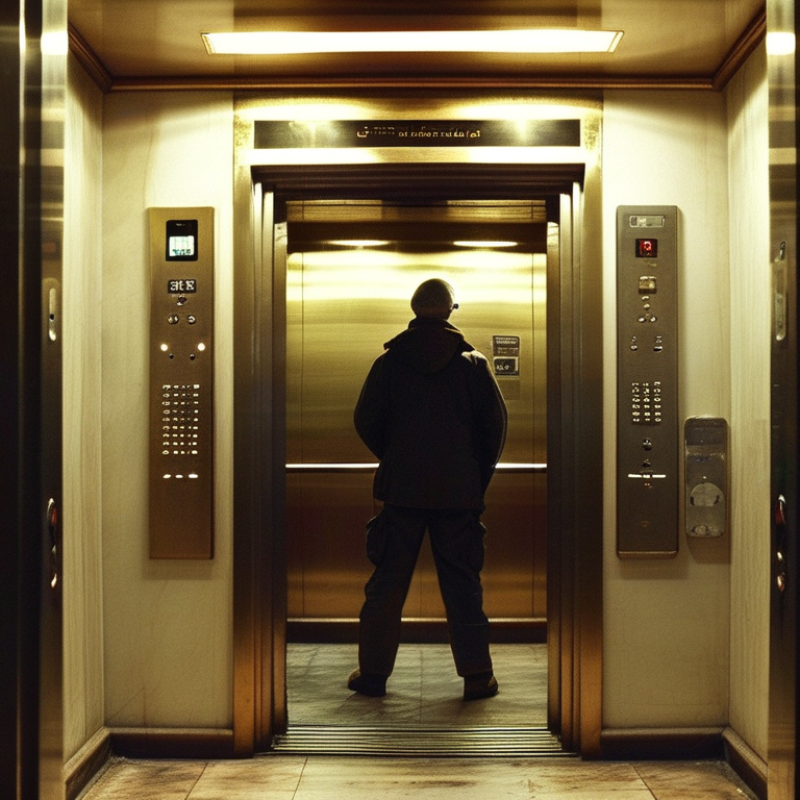
A stopped elevator can feel dangerous, even when its safety systems are working. Recognize the situation before reacting. Check whether the car is moving, the doors are opening, and the lights remain on. Look for the floor display or emergency instructions. Take a slow breath. Panic can make a small space feel much smaller.
Fear may return. That is normal. Try breathing in for four seconds and out for six. Sit on the floor only if it is safe and dry. If the car is crowded, share information without shouting. Someone may suggest escaping through the ceiling, but that is usually unsafe and should not be attempted. I once assumed silence meant help was unavailable; it may only mean responders are coordinating. Keep making reasonable contact attempts. Note the time, floor, and any unusual sounds. Your goal is not to fix the elevator. It is to remain visible, calm, and protected until trained personnel arrive.
When an elevator stops, treat its emergency communication system as your main safety tool. Press the alarm button once, then use the two-way emergency phone or intercom. Speak clearly. Give the building address, elevator number, floor display, and the number of passengers. Mention injuries, medical needs, smoke, or unusual heat. Keep the microphone near your mouth. Do not assume silence means failure.
ASME A17.1/CSA B44 safety standards address emergency two-way communication requirements for many elevator installations, although local rules differ. The Elevator Escalator Safety Foundation reports about 18 billion elevator passenger trips annually in the United States, alongside approximately 17,000 injuries and 30 fatalities each year. These figures show why a working communication link matters, even during a short entrapment. If the operator answers, stay connected and follow instructions. Avoid forcing the doors or climbing through an opening.
One detail is easy to miss. Read the cab’s posted emergency instructions before trouble occurs. Some systems identify your location automatically; others require you to describe it. If the intercom fails, press the alarm again and call local emergency services from a mobile phone when possible. Signal may be unreliable inside the shaft. Keep the phone available for callbacks. A common mistake is repeatedly pressing every button. That wastes attention and may complicate communication. The system may not be perfect. Clear information still gives responders a better starting point.
If you are stuck in an elevator, adopt a safe position while waiting for help. Press the alarm button and contact building staff or local emergency services. State the elevator’s location, floor, and any injuries clearly. Do not force the doors open or climb through the ceiling. The elevator may move without warning.
Sit on the floor if you can do so safely. Rest your back against the wall, bend your knees, and keep your feet away from the doors. This position reduces fatigue and helps protect you if the elevator shifts slightly. If sitting is painful, stand with your back supported and hold a stable handrail. Keep your hands clear of door gaps and moving parts. Stay near the ventilation openings, but do not block them. Loosen a tight collar and breathe slowly. Save your phone battery. Avoid jumping or repeatedly pressing buttons. It feels active, but it rarely helps.
If someone is injured, encourage them to remain still unless there is immediate danger. Speak calmly, especially if the lights fail. A phone flashlight can help, but use it briefly. Do not smoke or use flames inside the elevator. I used to think standing near the doors would make escape easier, but it creates a dangerous position. Wait for trained responders and follow their instructions, even when the doors appear partly open.
| Situation or Risk | Recommended Action | Safe Position While Waiting | Why It Matters | Avoid |
|---|---|---|---|---|
| The elevator stops between floors | Stay calm and press the emergency alarm or assistance button. Give the elevator location or car number if available. | Stand or sit away from the doors, with your back supported if possible. | A calm posture reduces the chance of falls and helps conserve energy while assistance is arranged. | Do not force the doors or attempt to climb out. |
| The doors open partially | Move back from the opening and wait for qualified rescuers or emergency personnel. | Keep both feet inside the elevator and maintain a stable stance, holding a handrail if one is available. | The elevator may move unexpectedly, and the floor level may not align with the landing. | Do not step across a gap or crawl through the doorway. |
| Feeling anxious or short of breath | Take slow, controlled breaths and communicate clearly with the assistance operator or emergency services. | Sit on the floor if safe, preferably with your back against a wall and knees comfortably bent. | A supported sitting position can reduce fatigue and help prevent a fall caused by dizziness. | Do not panic, push other passengers, or use up phone battery unnecessarily. |
| Someone is injured or feels unwell | Report the person’s condition immediately through the emergency communication system or local emergency services. | Help the person sit or lie in a comfortable position only if it is safe to move them. Keep clear access for responders. | Prompt information allows responders to prepare for medical needs. | Do not move someone with a possible serious injury unless there is immediate danger. |
| There is smoke, fire, flooding, or another immediate hazard | Use the emergency communication system and contact local emergency services. Follow their instructions. | Stay low if smoke is present, cover your nose and mouth with cloth if available, and remain away from the doors. | Emergency conditions require professional rescue and may make self-evacuation especially dangerous. | Do not pry open doors or leave the elevator without explicit professional direction. |
| Waiting for rescuers | Remain in contact when possible, answer questions accurately, and alert rescuers if conditions change. | Sit or stand in a balanced position, keep hands clear of moving parts, and leave a clear path to the doors. | A stable, low-risk position helps prevent secondary injuries during the rescue process. | Do not jump, rock the elevator, tamper with panels, or try to escape through the ceiling hatch. |
If an elevator stops between floors, treat the emergency responder’s instructions as your safest route out. Press the alarm button and use the emergency phone or building number. Tell the operator the elevator’s location, car number, and visible symptoms. Mention injuries, smoke, unusual heat, or a medical condition. Speak clearly. Keep the doors closed unless responders direct otherwise.
The U.S. Consumer Product Safety Commission has estimated about 10,000 elevator-related injuries requiring emergency treatment each year. Its safety guidance warns against forcing doors or climbing through openings. Wait inside. Stand away from the doorway and keep children close. Do not jump, pry panels, or follow advice from strangers outside the car. Emergency personnel may ask you to remain still while they confirm the elevator is secured. Their instructions can change as conditions develop.
A common mistake is assuming the car will suddenly fall. Modern elevators include multiple safety systems, but fear can still distort judgment. I might feel tempted to act quickly. That impulse needs checking. If responders tell you to exit, move slowly, hold the handrail, and step only when the floor and car are level. If they tell you to stay put, stay put. The American Society of Mechanical Engineers’ safety standard emphasizes controlled rescue procedures performed by trained personnel. A 2023 Bureau of Labor Statistics review recorded 37 fatal occupational elevator incidents from 2011 to 2020, showing why unauthorized rescue attempts deserve caution.
If an elevator stops between floors, remain inside until trained responders confirm the car is secure. Do not force the doors or climb through a gap. The space may shift without warning. Keep away from the doorway, especially when the floor is not level. Speak clearly with the emergency operator or building staff. Tell them your location, injuries, and whether anyone feels unwell.
Exit only after responders control the elevator and give direct instructions. They should secure the car against movement and confirm the landing is safe. Listen carefully. Ask where to place your feet before stepping out. Move slowly, one person at a time, while holding the handrail or a responder’s arm. Keep bags close to your body. Never jump across a gap, even if it looks small. Children and injured passengers may need assistance.
Stay alert after the doors open. The car could move if proper safeguards are missing. If the opening looks uneven, stop and ask for help. A common mistake is rushing because the exit feels close. That instinct is understandable, but it can create a serious fall. I would rather wait another minute than trust a dark gap or a silent control panel. If the situation feels unclear, remain inside and request clearer instructions. Safety depends on confirmed control, not appearance.
Follow these safety steps in order: remain calm, use the alarm or emergency phone, provide your location, wait for trained responders, and leave only when the elevator has been secured and a safe exit is confirmed. Never force the doors or climb out without professional assistance.
: Press the alarm button and contact building staff or local emergency services. Tell them the elevator location, floor, car number, and any injuries. Stay inside.
No. Keep the doors closed unless trained responders give direct instructions. The elevator may move without warning, even when the opening looks safe.
Sit on the floor if possible, with your back against the wall. Bend your knees and keep your feet away from the doors. If sitting hurts, stand with your back supported and hold the handrail.
Stay near ventilation openings without blocking them. Loosen a tight collar and breathe slowly. Use your phone flashlight briefly, then save the battery.
Encourage the injured person to remain still unless immediate danger exists. Report the injury and any medical condition clearly to the emergency operator. Speak calmly.
No. These actions rarely solve the problem and may create additional danger. Keep your hands away from door gaps and moving parts. I might feel tempted to act quickly, but that instinct needs checking.
Leave only after trained responders secure the elevator and give direct instructions. Move slowly, one person at a time, while holding a handrail or responder’s arm. Wait for a clear signal.
Stop and ask for help. Never jump across a gap, even if it looks small. Keep bags close, assist children carefully, and remain inside if instructions are unclear.
If you are wondering what to do if you are stuck in an elevator, the first step is to remain calm and recognize that the elevator is designed to protect passengers during a stoppage. Do not force the doors open or attempt to climb out. Instead, use the emergency button, alarm, or communication system to report your location and situation. Clearly provide any requested details, including whether anyone is injured or needs urgent assistance.
While waiting, stand or sit away from the doors, keep clear of the control panel, and conserve your phone battery if you use it to contact help. Listen carefully and follow instructions from emergency responders or building personnel. Once the elevator has been confirmed safe and the doors are opened by trained professionals, exit slowly and carefully, watching your step. Staying patient, communicating clearly, and avoiding risky actions can help keep everyone safe until assistance arrives.
