Vanguard Lift Vanguard Lift

How Long Does It Take to Install a Home Lift?

Time:2026-05-07 Author:Oliver
0%

Installing a home lift can be a significant decision. Many homeowners wonder, "how long does it take to install a home lift?" According to John Doe, a renowned lift installation expert, "The timeframe can vary greatly based on several factors."

Factors influencing the installation time include the home design and the lift type. On average, it may take between one to three days for a straightforward installation. However, more complex projects can extend this timeline. It’s crucial to communicate with experienced professionals. Their expertise can provide realistic estimates.

Some homeowners may underestimate the process. Proper planning is essential. Unexpected delays can occur, such as permits or site modifications. Understanding these variables is key to a smooth installation. Therefore, asking the right questions up front can save time and stress.
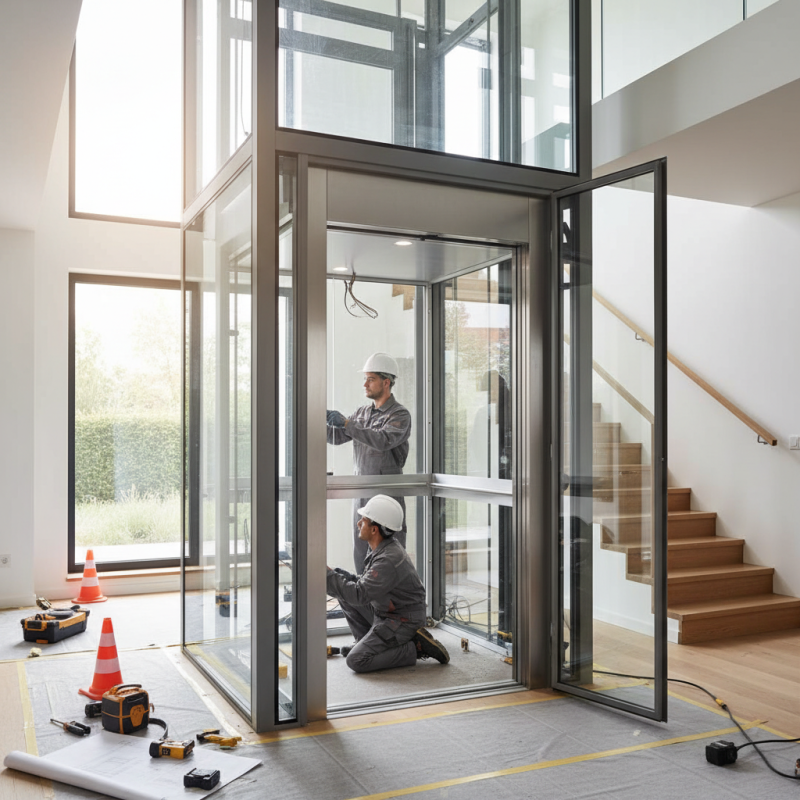
How Long Does It Take to Install a Home Lift?

Factors Influencing Home Lift Installation Time

Installing a home lift can vary widely in time, with several factors influencing the overall duration. According to industry experts, the average installation time ranges from a few days to several weeks. One key factor is the type of lift chosen. For instance, a pneumatic lift can be installed in less than a week, while a traditional cable-driven lift might take longer due to structural modifications required in the home.

Another significant aspect is the complexity of the installation site. Homes with multiple levels or limited space might present challenges. Research indicates that 30% of installations require additional structural support, which can extend the timeline. Furthermore, obtaining necessary permits can add delays—an essential step for ensuring safety and compliance with local regulations. Homeowners should also consider the lead time for lift delivery, which can range from 4 to 12 weeks depending on the manufacturer and customization options.

It's important to acknowledge that not every installation goes smoothly. Unforeseen issues can arise, such as electrical complications or unexpected building codes. A report from the National Association of Home Builders (NAHB) highlighted that nearly 20% of renovations encounter delays due to these challenges. Preparing for potential setbacks is crucial for a seamless project. Understanding these factors helps homeowners set realistic expectations and timelines for their home lift installation.

Typical Timeline for Installing a Home Lift

When planning to install a home lift, it's essential to understand the typical timeline involved. Generally, the entire process can take anywhere from four to eight weeks. This timeframe includes site assessments, design approvals, and actual construction. According to industry reports, around 75% of installations are completed within this range, but the scope of the project and local regulations can significantly influence timelines.

Before the installation begins, you’ll need to work with professionals for planning and design. Engaging an experienced contractor can help avoid common pitfalls. Delays can arise from permit approvals, which can take several weeks. Consulting local building codes early on is crucial. Many homeowners often underestimate this aspect, leading to frustration down the line.

Tips: Ensure measurements are precise. Small errors can lead to larger issues during installation. Communication is key throughout the process. Regular updates from contractors can alleviate concerns. Be prepared for unexpected changes; flexibility in planning can save time and reduce stress. Always keep an eye on the overall progress to make informed decisions.

Stages of the Home Lift Installation Process

Installing a home lift involves several key stages. Awareness of these stages can help homeowners accurately estimate the timeframe for the entire process. The first stage usually begins with an assessment of the installation site. Experts recommend conducting this evaluation to ensure proper fit and compliance with building codes. According to the American Lift Institute, this preliminary assessment can take anywhere from a few hours to several days.

Once the site is assessed, planning begins. This includes designing the lift's layout, selecting materials, and obtaining necessary permits. A reputable study revealed that on average, this planning phase may take one to two weeks. During this time, homeowners should stay in close contact with their contractors. Effective communication is crucial, as any change can lead to delays.

Installation is the next stage. It generally takes about three to five days. However, this timeline can vary due to unforeseen challenges. For example, older homes may require additional structural reinforcements. Overall, while the process seems straightforward, it demands careful attention and adaptability. Homeowners should anticipate potential setbacks, keeping in mind that a well-planned installation leads to safer and more reliable home lifts.

Time Taken for Home Lift Installation Stages

This chart illustrates the different stages of the home lift installation process and the estimated time each stage typically requires in days. The stages include Initial Assessment, Design & Planning, Permits & Inspection, Installation, and Testing & Adjustments.

Common Delays and Their Impact on Installation Duration

Installing a home lift can be straightforward, but various delays can impact the timeline. Permitting issues often arise. Homeowners may underestimate the time required for local authority approvals. This process can stretch from a few weeks to several months, depending on the location. Staying informed and prepared can ease some of this stress.

Another common delay is related to site preparation. Homeowners may not realize the extent of modifications needed for installation. Structural changes can take longer than expected. If the space requires electrical work or additional support, these tasks might push back the installation date. Communication with contractors is vital for understanding potential holdups.

Supply chain issues can also hinder the process. Components may face unforeseen delays, making it essential to order early. Homeowners should have a buffer time in mind to account for these kinds of setbacks. The more prepared you are, the smoother the experience generally is. Delays can lead to frustration, and it is crucial to manage expectations accordingly.

Preparing Your Home for a Quick Lift Installation

Preparing your home for a quick lift installation requires careful planning. Start by assessing the space where the lift will go. Measure doorways and hallways. Remove any obstacles in the area. This may include furniture or decorative items. Clear access helps technicians work efficiently.

Check the electrical and structural integrity of your home. Ensure that power sources are available near the installation site. If modifications are needed, it’s better to handle them before the installation day. This could save time and reduce frustration.

Don’t forget about permits. Local regulations might require specific permissions. Research what is needed in your area. If you don’t comply, it may delay the installation process. Reflect on these steps to make sure everything goes smoothly. Preparing thoroughly can significantly speed up the installation time.

FAQS

: How long does the site assessment for home lift installation usually take?

: It can take from a few hours to several days, depending on the home's complexity.

What is involved in the planning stage?

Designing the lift, choosing materials, and obtaining permits. It takes about one to two weeks.

Why might installation days vary?

Because of unforeseen structural issues, especially in older homes.

What are common causes of delays during installation?

Permitting issues, site modifications, electrical work, and supply chain delays.

How can homeowners prepare their homes for installation?

Remove obstacles, measure doorways, and check electrical and structural readiness.

Why are permits important?

They ensure legal compliance and prevent potential delays.

How early should residents order components?

As soon as possible, to account for supply chain delays.

What could happen if electrical or structural modifications are ignored beforehand?

It can cause longer installation times and added costs.

Why is communication with contractors critical?

To understand potential setbacks and keep the project on track.

Is it smarter to expect delays?

Yes, always build buffer time to handle unexpected issues effectively.

Conclusion

When considering a home lift installation, many homeowners frequently ask, "how long does it take to install a home lift?" The duration of the installation can vary significantly based on several factors including the type of lift, the complexity of the installation site, and any required permits. Typically, the installation process may take anywhere from a few days to several weeks.

The installation consists of several key stages, such as site assessment, preparing the area, actual installation, and post-installation checks. Common delays can arise from issues like permitting, design changes, or unforeseen structural challenges, which can extend the timeline. To ensure a quicker installation, thorough preparation of the home is advisable, including making necessary modifications to facilitate the lift setup.

Oliver

Oliver

Oliver is a seasoned marketing professional with a wealth of expertise in driving brand awareness and engagement. With a deep understanding of our company's product offerings, he consistently delivers high-quality content that enriches our professional blog. His insights not only shed light on......