Vanguard Lift Vanguard Lift

Top 10 Tips to Prevent Escalator Accidents for Children

Time:2026-11-06 Author:Sienna
0%

Escalators look familiar, but their moving steps and narrow gaps can surprise a child. A loose shoelace, a rushing turn, or one distracted glance may create a dangerous moment. Parents often know the basic rules; remembering them in a busy station is harder. Even careful adults miss things.

This introduction to “Top 10 Tips to Prevent Escalator Accidents for Children” focuses on practical habits families can use before and during a ride. Elevator historian and scholar Dr. Lee Gray has studied elevators and escalators extensively. A useful safety takeaway, consistent with his expertise, is: “Treat an escalator as moving machinery, not as a place to play.” This is a summary, not a verified direct quotation. The tips will cover holding a child’s hand, standing steadily, facing forward, and keeping shoes, clothing, and fingers away from step edges and side panels.

Small details matter. Check a child’s laces before stepping on. Keep bags and straps clear. Do not let children sit, climb, or play on the steps. If a child is too young to stand safely, choose an elevator when available. Stay close until everyone has stepped off completely. No rushing.

The guidance is meant to help caregivers build repeatable habits, not replace posted instructions or staff directions. It also invites reflection: adults sometimes look at phones while children follow behind. That brief distraction deserves attention. Learning how to prevent escalator accidents for children begins with calm supervision and simple actions repeated every ride.
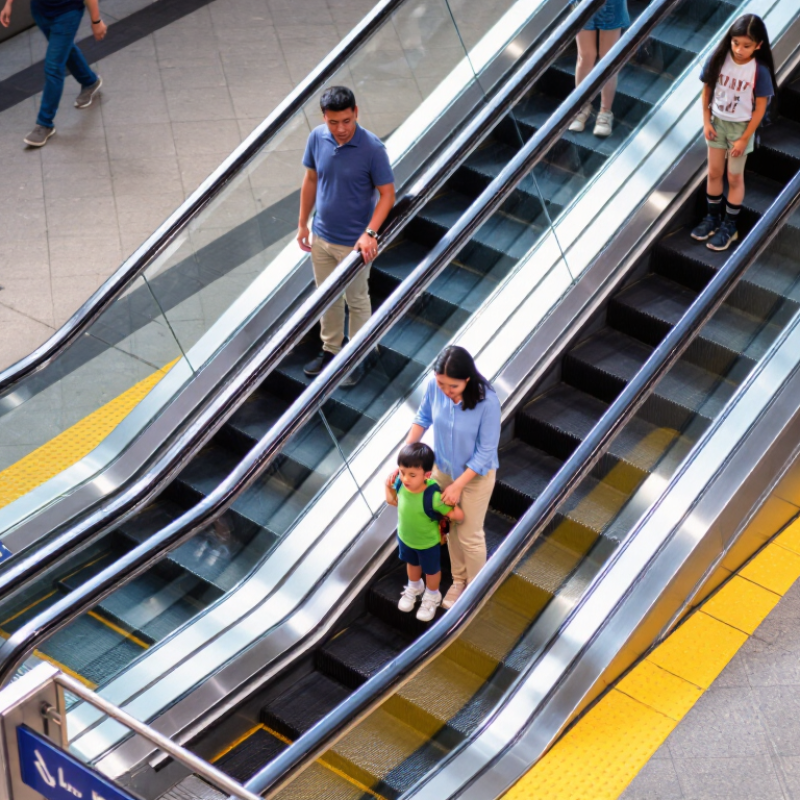
Top 10 Tips to Prevent Escalator Accidents for Children

Understanding Escalator Risks for Children

Top 10 Tips to Prevent Escalator Accidents for Children

Understanding Escalator Risks for Children

Children face escalator hazards because their steps are shorter, balance is still developing, and attention shifts quickly. Gaps near moving steps, side panels, and landing comb plates can catch shoes, clothing, or small fingers. A U.S. Consumer Product Safety Commission analysis of emergency-department records from 1990–2002 estimated about 2,000 escalator injuries each year among children under five. These records highlight a real risk, but they cannot predict what will happen on any particular ride. Even a brief distraction matters.

Tips: Hold your child’s hand and stand close, especially near entrances and exits. Face forward, keep feet centered on one step, and avoid loose laces or trailing clothing. Do not let children sit, play, or touch the sides. Carry small children only when you can maintain a secure hold; if not, choose an elevator. Keep bags and stroller wheels clear of step edges. At the landing, step off promptly. If a child stumbles, use the emergency stop only when needed, then ask nearby staff for help. Supervision helps, but it is not a guarantee. Reminders can be missed in a busy station.

Preparing Children Before Boarding

Before boarding, give children a clear, calm instruction: wait behind the yellow line, face the escalator, and hold an adult’s hand. The U.S. Consumer Product Safety Commission’s injury-surveillance estimates put escalator injuries treated in emergency departments at roughly 10,000 annually, with falls among the leading causes. A child who knows the steps can still get distracted by a toy, a moving bag, or the crowd. Pause at the entrance and check that shoelaces are tied and clothing will not drag.

Tip: Practise the routine on the floor before approaching: “Wait, hold hands, step on, stand still, step off.” Ask the child to repeat it. Carry folded strollers and keep hands free where possible; never let a child sit or play on the steps. Point out the comb plates at both ends, but do not frighten them. Small reminders work better than rushed warnings.

Stay beside the child, hold their hand, and help them step on only when there is room. Tell them to stand in the center and keep feet away from the sides. Avoid letting them lean on the moving handrail or turn around to talk. I’d avoid assuming a child understands just because they nodded. Rehearse again when the station is busy; that’s when familiar instructions can slip.

Getting On and Off Safely

At the entrance, pause with your child and wait for a clear step. Tell them to face forward and step on decisively, not at the last moment. Hold hands if it is safe and comfortable, and keep fingers away from the moving sides. A child who cannot stand steadily should use an elevator instead. Loose shoelaces and long clothing deserve a quick check.

Tip: Stand on the center of one step, keep both feet flat, and hold the handrail. Don’t sit, play, or lean against the side panels. Keep bags and clothing clear of the steps. Adults can hurry too; a phone glance at the entrance is an easy mistake to underestimate.

As you approach the top, remind your child to step off promptly when the step reaches the landing. Move away from the exit area together; don’t stop there to adjust a shoe or search through a bag. If a child hesitates, stay calm and guide them forward when there is room. I might repeat the instruction too late sometimes, so it helps to talk before reaching the landing.

Maintaining Safe Behavior During the Ride

During an escalator ride, ask your child to face forward and hold the handrail. Keep both feet on one step, away from the edges and side panels. “Stand still” is easier to remember than a long list of rules. No running. No jumping. Keep shoelaces, scarves, and loose straps clear of moving steps.

Stay close enough to guide your child, especially in a crowded station or shopping center. Avoid using a phone while boarding or stepping off. At the exit, walk forward when the step meets the landing; don’t pause to adjust a bag there.

If your child drops a toy, don’t reach between the steps. Move away from the escalator and ask nearby staff for help. Adults sometimes expect children to remember every instruction after hearing it once. They may not. A quiet reminder during the ride can help, though even careful adults can miss a loose lace or wandering hand.

Responding to Emergencies and Seeking Help

If a child falls, gets caught, or is hurt on an escalator, call loudly for nearby staff. If there is immediate danger, press the emergency stop button only if you can reach it safely. Ask another adult to call emergency services; give the exact location and describe what happened. Keep other people back so responders can reach the child. Stay beside them and speak calmly, even if they are crying or frightened.

Do not pull a trapped shoe, clothing, or fingers free. Moving them could worsen an injury. If the child may have a serious head, neck, or back injury, encourage them to stay still while help arrives. Give first aid only within your training, and follow the dispatcher’s instructions. Tell staff what you saw, including which step or side was involved. It is easy to imagine staying calm; real emergencies can feel messy. A clear voice and specific details still help.

FAQS

Why can escalators be risky for young children?

Short steps and developing balance make it harder for children to stay steady. Moving-step gaps can catch shoes, clothing, or fingers.

What should I do before boarding?

Pause until a clear step arrives. Check loose shoelaces and long clothing, then help your child step on decisively.

Where should my child stand?

Keep both feet flat near the center of one step. Hold the handrail and stay close. No leaning.

What simple reminders work during the ride?

Ask your child to face forward, stand still, and keep hands away from the sides. Short reminders are easier to remember.

When should we choose an elevator?

Use an elevator if your child cannot stand steadily or you cannot hold them securely. It may be the calmer choice.

How can we get off safely?

Step forward promptly when the step reaches the landing. Move away before adjusting shoes or opening a bag. Don’t stop there.

What if my child drops a toy?

Don’t reach between the steps. Move away from the escalator and ask nearby staff for help.

What if my child stumbles?

Stay calm and guide them if there is room. Use the emergency stop only when needed, then alert nearby staff. I sometimes give reminders too late, so speaking before the landing helps.

Conclusion

This guide explains how to prevent escalator accidents for children by helping them recognize common risks before they step on. Parents and caregivers can prepare children by explaining how escalators move, reminding them to stay calm, and making sure clothing, shoelaces, and loose items are secure. Before boarding, choose an escalator the child can use confidently, hold their hand, and step onto the moving stair together, keeping feet away from the edges and gaps.

During the ride, children should face forward, hold the handrail, stand still, and avoid sitting, playing, or leaning over the sides. At the top or bottom, step off promptly and move away from the landing area so others can pass. If a child becomes frightened, loses balance, or an item gets caught, adults should stay composed, use the emergency stop only when appropriate, and seek help from nearby staff. Clear, repeated reminders and close supervision can make every ride safer.

Sienna

Sienna

Sienna is a skilled marketing professional with a deep expertise in our company’s core products and services. With a passion for innovation and detail, she plays a pivotal role in crafting insightful blog posts that not only highlight the unique features of our offerings but also provide valuable......