Vanguard Lift Vanguard Lift

Why Is My Home Lift Not Leveling Correctly 7 Tips?

Time:2026-10-30 Author:Liam
0%

A home lift should stop level with each landing, leaving a smooth, nearly flush step between the cabin and floor. When it pauses too high or low, even by a small amount, the difference can catch a shoe, make a mobility aid harder to roll, or cause a passenger to hesitate. If you are asking, “why is my home lift not leveling correctly,” the answer may involve more than one part of the system.

This guide explores seven possible causes, from worn sensors and dirty landing components to changes in load, power supply, or mechanical adjustment. Some signs are easy to notice: the lift settles unevenly, stops differently on each floor, or makes an unfamiliar sound before opening its doors. Others are less obvious. A fault may appear only when the cabin carries extra weight. Small clues matter.

Not every leveling issue has the same cause, and a visual check cannot confirm what is happening inside the lift. Keep passengers clear if the cabin is noticeably misaligned, and avoid adjusting safety controls or entering restricted machinery spaces. Record which floor is affected, how far the lift sits above or below it, and whether the problem happens every time. Those details can help a qualified lift technician investigate more efficiently.

A reset might seem tempting. It may not fix the cause. This is worth remembering, especially when the lift appears normal again for a while. The tips ahead explain what you can observe safely, when professional attention is needed, and why recurring leveling problems deserve a careful response.
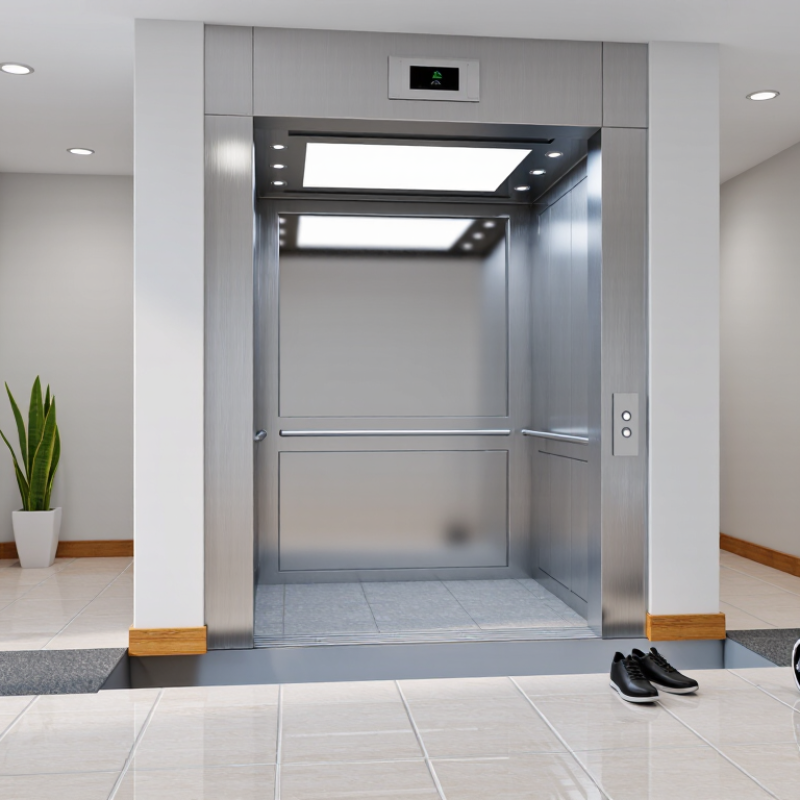
Why Is My Home Lift Not Leveling Correctly 7 Tips?

How Home Lifts Stay Level During Travel

A home lift stays level by tracking its position and correcting small differences as it moves. Depending on the design, sensors monitor the car, landing, or drive system. A controller compares those signals with stored floor positions, then adjusts the motor, hydraulic valve, or braking system. Near a landing, the lift slows and makes a fine correction before the doors open. The exact mechanism varies. That matters.

If your lift repeatedly stops high or low, note which floor, direction, and load conditions trigger it. Check for debris around the landing, and watch whether the doors align evenly. Listen for new noises. Record power interruptions or changes in stopping behavior. The U.S. Access Board’s 2010 ADA Standards, section 407.4.4, specify leveling within 1/2 inch (about 13 mm) for covered elevators, whether loaded or unloaded. This is a useful reference, not a universal requirement for every private home lift. A persistent mismatch needs a qualified service inspection; don’t adjust sensors or drive settings yourself. Small errors add up.

Common Causes of Uneven Stopping

A lift that stops above or below a landing can have several causes. The pattern offers useful clues. A small stone or packed dirt near a landing sensor may interfere with accurate stopping. Dust can also collect around the sill or guide area. Not always obvious. Misaligned sensors, worn leveling components, or a control fault may cause the same uneven stop. If the error happens at one floor only, that detail is worth recording; if it occurs at every floor, a system-wide issue may be more likely.

Uneven loading can affect some lifts, especially when passengers or heavy items stand close to one side. Power fluctuations may also disrupt consistent operation. In hydraulic lifts, low fluid or a developing leak can affect travel and leveling, but only a qualified technician should assess the system. It is easy to blame the lift itself, though a dirty landing area or changing load may be part of the picture. Keep a simple note of the floor, direction of travel, and size of the stopping gap. Do not adjust sensors or open equipment panels yourself. A technician can inspect the controls, sensors, and mechanical parts safely. Small clues matter.

Seven Checks to Improve Lift Leveling

When a home lift stops above or below a floor, record the landing and the visible gap. Do not reach into the opening. Check the threshold for grit, loose trim, or objects that might interfere with the door. Check that the doors close and latch fully. Test with the usual load, keeping bags or other items evenly placed. Keep clear during each test.

Notice whether the mismatch occurs at every floor or only one. Check whether it happens in both travel directions. Look at the indicator panel for a fault light or message, and write down what it shows. Avoid repeatedly resetting the lift; that can hide a useful clue. A small mismatch can be easy to dismiss.

If the issue continues, ask a qualified lift technician to inspect the leveling sensors, landing zone, and control system. These parts can need calibration or repair, and adjustments should not be improvised. Share your notes, including the affected floor, direction, and load. Be precise, but don’t assume the cause. A pattern may point to one component, though it is not proof.

Why Is My Home Lift Not Leveling Correctly? 7 Tips — Seven Checks to Improve Lift Leveling
Check What to Check What You Can Safely Observe Recommended Next Step When to Get Help
1 Landing and sill area Look for loose objects, dirt, or other visible obstructions near the lift entrance and landing. Remove items from the area and clean accessible floor surfaces without reaching into gaps or the lift shaft. If the lift still stops unevenly, contact a qualified lift service provider.
2 Load and load placement Check whether the lift is carrying more than its rated capacity or whether a heavy load is concentrated on one side. Keep the load within the capacity shown on the lift and distribute it evenly across the platform. If leveling problems continue with a normal, evenly placed load, arrange an inspection.
3 Landing-to-floor difference From outside the lift, note whether the platform is consistently above or below the landing when it stops. Record the floor, direction of travel, and approximate difference. Do not adjust the lift yourself. A repeated height difference needs assessment by a qualified technician.
4 Door operation Observe whether the doors close and latch normally, or whether a door appears obstructed or misaligned. Check for visible obstructions and follow the user manual’s instructions for normal door operation. Stop using the lift if a door will not secure properly or the lift moves with a door open.
5 Controls and indicators Note any warning lights, error messages, unusual beeps, or changes in the lift’s normal operating sequence. Write down the displayed message and when it appears. Use only reset steps provided in the user manual. Contact service if a fault indicator appears or the problem returns after an approved reset.
6 Power supply Check whether the home has a wider power interruption or whether the lift’s visible power indicator is off. Follow the user manual’s guidance for checking the normal household supply. Do not open electrical panels or lift covers. If the supply appears normal but the lift behaves irregularly, request a professional inspection.
7 Pattern of the problem Notice whether the issue happens at one landing, in one direction, or on every trip. Keep a short record of the affected landing, travel direction, load, and any warning message. Repeated or worsening leveling faults should be checked by a qualified lift technician before continued use.
Safety note: Do not step across a noticeable gap or height difference, bypass door interlocks, or enter the lift shaft. If the platform is not safely level with the landing, keep people away from the lift and contact a qualified service provider.

Safe Steps to Take When Leveling Is Off

If your home lift stops above or below the landing, keep people away from the doorway. A small gap can catch a shoe, cane, or wheelchair caster. Do not force the doors, step across the gap, or try to reset the lift by opening a panel. Keep clear. Use the alarm or intercom, and call the lift’s qualified service provider. If anyone is trapped or in immediate danger, contact emergency services and follow their instructions.

Note the floor, the size of the height difference, and whether it happens every trip. A photo taken from a safe distance may help the technician. The National Elevator Industry, Inc. estimates that U.S. elevators carry about 18 billion passenger trips each year; this sector-wide figure is not specific to home lifts, but it shows how often people rely on correctly working equipment. Until the fault is checked, keep the lift out of use if you can do so safely. Don’t guess at the cause. I might be tempted to blame a sensor, but uneven loading, a door issue, or another fault can look similar. Share what you observed, and let a qualified technician inspect and level the lift.

When to Call a Qualified Lift Technician

A home lift that stops above or below the landing can create a trip hazard, even when the gap looks small. If the floor edges do not meet, keep passengers clear and avoid using the lift until it has been checked. Do not try to reposition the car or adjust switches yourself. Those parts need trained inspection.

Call a qualified lift technician if uneven stopping happens repeatedly, the lift jolts, makes new scraping sounds, or displays a fault message. Note which floor is affected, whether it happens going up or down, and when it began. A brief note helps. If someone is trapped, use the alarm or emergency communication system and follow its instructions; do not force the doors open. A technician can inspect sensors, leveling controls, doors, and wear. The cause may not be obvious from one ride.

Tips: Keep a simple log of dates and landing gaps. Photograph the gap from a safe position, without anyone entering or leaving the lift. Stop using it if the step is pronounced, the doors behave oddly, or the problem returns. A reset may hide a symptom, not fix it. Be cautious here.

FAQS

What should I check when a home lift stops unevenly?

Note the floor and visible gap. Check for grit, loose trim, or objects near the threshold. Keep clear.

Is a small gap safe to ignore?

No. Even a small mismatch can create a trip hazard. Keep passengers away if the floor edges do not meet.

How can I spot a pattern?

Record whether the issue happens on every floor or just one. Note whether it occurs while travelling up, down, or both ways.

What details should I write down?

Include the date, affected floor, direction, visible gap, and usual load. Note any fault message or light. Be precise, but do not guess.

Should I keep resetting the lift?

Avoid repeated resets. They may hide a useful symptom without fixing the cause. That distinction can be easy to miss.

When should I contact a qualified technician?

Contact one if uneven stopping repeats, the lift jolts, scraping sounds begin, or a fault message appears. Stop using it if the step is pronounced.

Can I adjust switches or reposition the lift myself?

No. Do not adjust switches or try to reposition the car. Sensors, leveling controls, and related parts need trained inspection.

What should I do if someone is trapped?

Use the alarm or emergency communication system and follow its instructions. Do not force the doors open. Keep calm, if possible.

Conclusion

If you’re wondering, “why is my home lift not leveling correctly,” the cause may involve how the lift senses each floor, worn or obstructed components, changing loads, or a fault in its control system. A home lift is designed to coordinate its movement and stopping position, but even a small issue can leave the floor of the lift slightly above or below the landing. Simple checks may include making sure the landing area is clear, noting whether the problem happens at one floor or several, and observing whether the lift behaves differently with varying loads.

If the lift stops unevenly, keep people from stepping across a noticeable gap and avoid trying to adjust or repair its mechanisms yourself. Record when and where the issue occurs, follow the manufacturer’s safety instructions, and arrange an inspection by a qualified lift technician if the problem persists, worsens, or is accompanied by unusual noises or operation. A professional can identify the cause and restore safe, reliable leveling.

Liam

Liam

Liam is a dedicated marketing professional with a profound expertise in the industry, where he excels at highlighting the unique advantages of our core products. With a keen understanding of market trends and consumer needs, Liam frequently updates our company’s professional blog, providing......