Vanguard Lift Vanguard Lift

Why Screw Drive Elevators Are Safer for Seniors in 2026?

Time:2026-11-27 Author:Henry
0%

In 2026, safer aging at home means reducing small daily risks—not promising that any machine is risk-free. CDC estimates that about one in four adults aged 65 and older reports a fall each year. “Falls are not a normal part of aging,” says CDC geriatrician Dr. Elizabeth Burns. That warning matters when stairs feel steep, a handrail is hard to grip, or carrying groceries leaves no free hand.

So, why are screw drive elevators safer for elderly users? Their lifting system uses a threaded drive shaft rather than suspended hoisting cables, and many residential models include an enclosed cabin, controlled travel, and emergency lowering. These features can make floor-to-floor movement more predictable and reduce the need to negotiate stairs. Details vary by model. A qualified installer should confirm door interlocks, backup lowering, capacity, and access for a walker or wheelchair. A smooth ride helps, but it cannot replace good lighting or a clear landing.

The evidence needs careful reading. CDC fall statistics describe older adults broadly; they do not prove that screw drive elevators prevent more injuries than other elevator types. That distinction is easy to overlook. AARP’s Home and Community Preferences Survey also documents strong interest in aging at home, but preference alone is not a safety measure. This introduction examines the practical case for screw drive systems, the features worth checking, and the limits of the available comparisons. Safety is partly engineering—and partly fit: the right cabin, installed well, in the home someone actually lives in.
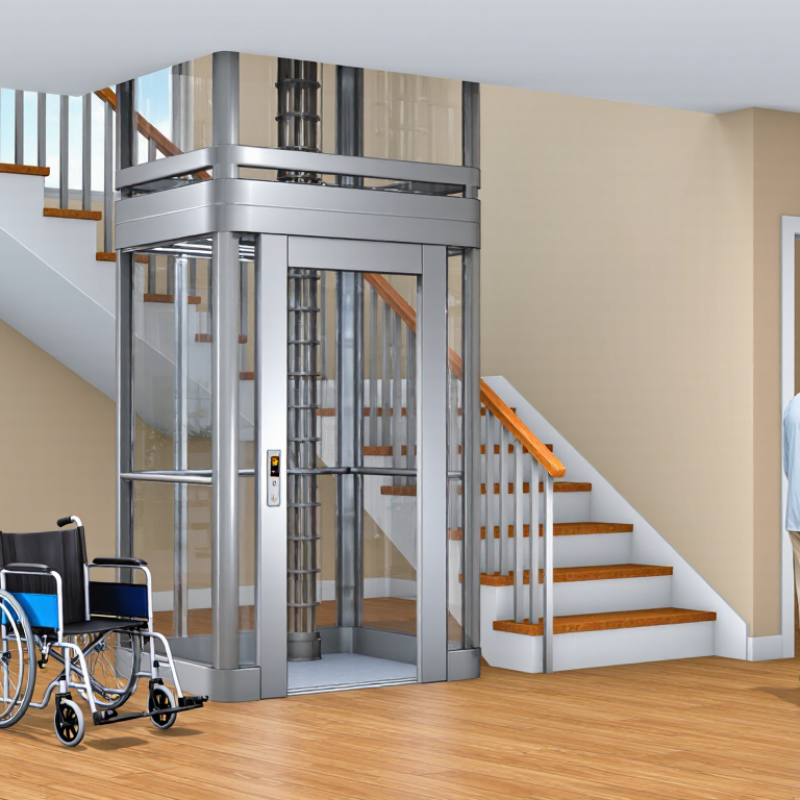
Why Screw Drive Elevators Are Safer for Seniors in 2026?

What Screw Drive Elevators Are and How They Work

A screw-drive elevator raises its platform through a simple mechanical pairing: a motor turns a threaded steel screw, and a traveling nut attached to the carriage moves it up or down. Picture a screw running vertically inside a guided shaft, with the platform following the nut’s steady travel. No suspended counterweight is needed. That matters. Drive speed, noise, emergency lowering, and backup safety features vary by model, so the mechanism alone does not guarantee safety.

For older adults, controlled movement and clear controls can reduce strain during everyday trips between floors. Gates or doors should prevent travel when open, while an emergency stop should be easy to reach. These details deserve a hands-on check.

The CDC reports that more than 14 million U.S. adults aged 65 and older fall each year, underscoring the value of reducing stair use where mobility is limited.

A lift can help, but it is not magic; careful installation, maintenance, and an unobstructed landing still matter. Before choosing one, ask a qualified installer to explain its safety devices and what happens during a power failure.

How Their Drive Mechanism Supports Controlled Travel

For older adults, predictable movement can matter as much as speed. The CDC reports that about one in four Americans aged 65 and older falls each year. That figure does not prove one elevator type prevents falls, but it shows why steady entry and exit deserve attention.

In a screw-drive elevator, a motor turns a threaded screw while a matched nut moves the car along its path. This direct mechanical engagement supports controlled starts and stops, rather than relying only on suspended lifting cables. Riders may notice the difference at the doorway: the car settles level with the landing, making a cane or walker easier to position. The CDC’s older-adult fall data gives this practical detail real weight. Still, installation quality and regular maintenance matter; a drive mechanism cannot correct poor leveling or a neglected fault.

The ride is not always silent. Screw drives can produce noticeable operating noise, and travel speed may feel modest. Those trade-offs deserve an honest conversation before purchase. Ask a qualified installer to demonstrate a full trip, including the stop at each landing, and explain how the unit behaves during a power interruption. Slow, steady, and clearly explained—that is reassuring.

Safety Features That Help Protect Older Passengers

Why Screw Drive Elevators Are Safer for Seniors in 2026?
Safety Features That Help Protect Older Passengers

A home elevator should make daily movement easier, not add new worries. Screw drive systems move the cab along a threaded shaft, rather than relying on conventional suspension cables. Their design can reduce some mechanical risks, but no elevator is automatically safe. Look for door interlocks that prevent movement while doors are open, and obstruction sensors that stop closing doors when something is in the way. A level floor at each landing matters, too. Even a small step can catch a cane or slipper. Handrails, bright lighting, and reachable controls can help older passengers enter and travel with more confidence.

Emergency features deserve a close look. Ask how the cab behaves during a power failure, whether an emergency lowering system is available, and how passengers can call for help. Controls should be easy to read and use without stretching. Safety depends on installation, maintenance, and the passenger’s needs. That part is sometimes overlooked.

Tips: Test the door and call controls with the intended user before choosing a model. Ask a qualified elevator professional to explain routine servicing and emergency procedures. Keep the entrance clear, and report unusual noises or uneven stopping promptly. A little awkward to ask, perhaps, but worth it.

Why Screw Drive Elevators Are Safer for Seniors in 2026? - Safety Features That Help Protect Older Passengers

Screw-drive describes the elevator’s lifting mechanism; it does not, by itself, guarantee greater safety. Protection depends on the elevator’s design, installed safety equipment, code compliance, maintenance, and safe use. Features vary by model and location.

Safety feature or consideration How it can help older passengers What to verify before choosing
Screw-and-nut lifting mechanism The cab is moved by a motor-driven screw and nut. This is a different drive arrangement from traction elevators, but the mechanism alone does not establish that one elevator type is safer. Ask how the specific model prevents unintended movement and what protective devices are provided. Review the manufacturer’s documentation and local code requirements.
Door interlocks Interlocks are designed to prevent the elevator from moving when a landing door is not properly closed and secured, helping reduce the risk of entering or exiting an unsafe opening. Confirm that all landing doors have approved interlocks and are included in routine inspection and maintenance.
Door obstruction detection A safety edge or other door-protection device can help detect an obstruction and stop or reverse a closing door, reducing the chance of a passenger being struck or trapped. Check which detection system is included, where it detects obstructions, and whether it is suitable for the intended users and doorway.
Leveling accuracy Accurate stopping at the landing helps reduce the height difference between the cab floor and the floor outside, an important consideration for passengers with limited balance or mobility. Ask about leveling performance, how it is checked, and how faults or changes in leveling are reported and corrected.
Emergency communication A reachable alarm or two-way communication system can help a passenger call for assistance if the elevator stops unexpectedly. Verify that controls are easy to reach and use, communication works during a power outage if required, and someone will respond to an alert.
Emergency lowering or rescue procedure Some residential elevators have a model-specific way to bring the cab to a landing after a power failure or fault. This can help passengers leave safely, but the method varies. Ask whether lowering is automatic, battery-assisted, or requires trained assistance. Make sure household members know the approved procedure and never attempt an unapproved rescue.
Handrails, lighting, and clear controls A secure handrail, even lighting, and clearly labeled controls can make it easier for passengers to steady themselves and operate the elevator confidently. Check the cab layout, control height, button size and contrast, lighting, and handrail placement in person where possible.
Cabin size and accessible entry A suitable entrance and enough clear space can make boarding easier for passengers using a walker or wheelchair and reduce awkward turning or stepping. Measure the route, doorway, and cab with the actual mobility aid. Confirm accessibility requirements that apply in the installation location.
Capacity and overload protection Staying within the rated load helps the elevator operate as intended. An overload warning or related protection can alert users when the permitted capacity is exceeded. Check the rated load and passenger guidance displayed in the cab. Ask what the elevator does if it is overloaded.
Inspection and maintenance Regular inspection and timely repair help keep doors, controls, leveling, and emergency systems working as designed. Confirm applicable local inspection requirements, service arrangements, fault reporting, and who to contact if the elevator behaves unusually.

How Design Choices Support Balance and Accessibility

Why Screw Drive Elevators Are Safer for Seniors in 2026?

How Design Choices Support Balance and Accessibility

For older passengers, safety often depends on small design details, not the drive mechanism alone. A well-designed screw drive elevator can offer an enclosed ride, clear controls, and a level landing. The last few centimeters matter: a raised sill or uneven stop can catch a toe or unsettle someone using a cane.

A grippy floor, well-placed handrails, and doors that stay open long enough make boarding less hurried.

Small pauses help.

The need is measurable. The U.S. Centers for Disease Control and Prevention reports that more than one in four adults aged 65 and older falls each year. That figure does not mean an elevator prevents falls, but it shows why stable transitions matter.

The U.S. Access Board’s ADA Standards specify tactile elevator controls and button heights between 35 and 48 inches, supporting seated reach and easier operation. Those dimensions are a useful reference, though local requirements can differ.

In practice, a button may still be hard to find if labels lack contrast or glare washes them out. Maintenance matters, too: even accessible controls cannot compensate for poor leveling or a worn floor.

A short ride should feel predictable, not rushed.

Installation and Maintenance Factors That Affect Safety

For seniors, a screw drive elevator’s safety depends on careful installation, not just its lifting mechanism. The supporting floor must be checked for load capacity, and the lift must sit level with each landing. Even a small threshold can catch a walker or make a wheelchair transfer harder. Installers should test door interlocks, obstruction sensors, emergency stops, and the safe lowering procedure before handover.

Details matter. Controls should be easy to reach, lighting should show the cabin floor clearly, and handrails should feel secure. A technician should also explain what happens during a power failure and how household members can call for help. I would not assume a quiet ride means everything is working properly.

Maintenance keeps those safeguards dependable. Follow the service schedule for the specific lift, with a qualified technician checking the screw and drive components, lubrication, brakes, wiring, and safety devices. Keep the cabin floor and lift area clear of grit, loose rugs, and stored items. Report new scraping sounds, uneven stops, or doors that hesitate; small changes can signal a problem. Some checks may feel overly cautious, but that is preferable to discovering a fault during a senior’s daily trip.

FAQS

How does a screw-drive elevator move?

A motor turns a threaded screw, and a matched nut moves the cab along its path. The direct connection supports controlled starts and stops.

Can it stop level with the landing?

It can be designed to stop level, making it easier to place a cane or walker. Poor installation or maintenance can still cause uneven stopping.

Does a screw-drive elevator prevent falls?

No elevator can guarantee fall prevention. A level entrance, handrails, clear lighting, and careful use can help reduce everyday difficulties.

What safety features should I check?

Look for door interlocks, obstruction sensors, reachable controls, and handrails. Even a small gap at the doorway matters.

What happens if the power goes out?

Ask whether the cab has emergency lowering and how passengers can call for help. The answer depends on the specific installation.

Is the ride quiet and fast?

Not necessarily. Screw-drive elevators may make noticeable noise and feel slower than expected. A demonstration helps set realistic expectations.

How can an older passenger test the elevator?

Have the intended user try the controls and doorway. Watch how the cab stops at each landing. Awkward, but useful.

What maintenance should owners expect?

Ask a qualified elevator professional about routine servicing and emergency procedures. Report unusual sounds or uneven stops promptly. Don’t ignore them.

Conclusion

Screw drive elevators use a motor-driven screw and travelling nut to move the cabin between floors. This mechanism supports steady, controlled travel and can reduce sudden movement, helping passengers feel more secure when entering, riding, and exiting. Understanding why are screw drive elevators safer for elderly users involves more than the drive system: features such as reliable stopping, interlocks, handrails, clear controls, and suitable door openings can also help reduce everyday risks.

Thoughtful design can support balance and accessibility through a stable cabin, useful lighting, easy-to-reach controls, and enough space to enter without awkward manoeuvring. Safety also depends on proper installation, routine inspections, and timely maintenance. When the elevator is selected for the home, fitted correctly, and kept in good working condition, it can offer older passengers a practical way to move between levels with greater confidence and independence.

Henry

Henry

Henry is a dedicated marketing professional with a profound expertise in the company's offerings. With years of experience in the industry, he possesses an impressive understanding of the market dynamics and consumer behaviors that drive success. Henry is committed to sharing his insights through......