Vanguard Lift
Vanguard Lift
Vanguard Lift
Discover our highly certified range of passenger lifts, specialty freight escalators, and heavy-duty industrial vertical conveyors.
The core mechanics driving global factory logistics and material processing.
In the contemporary landscape of industrial automation, smart warehousing, and heavy manufacturing, vertical conveying systems have emerged as critical nodes of operational flow. Chain lifts, encompassing high-duty continuous bucket lifts, slat conveyors, and vertical reciprocating conveyors (VRCs), form the backbone of modern material handling. Valued for their structural rigidity, high load capacity, and ability to operate under extreme environmental constraints, these systems are indispensable in modern factories.
Globally, the demand for high-efficiency lifting solutions has surged, fueled by the rapid expansion of e-commerce fulfillment centers, heavy chemical processing plants, and modern multi-story production facilities. According to recent market analysis, the global industrial elevator and vertical conveyor market is projected to grow at a compound annual growth rate (CAGR) of over 5.5% through 2030. Key drivers include stringent workplace safety regulations, the push for footprint minimization in urban factories, and the adoption of Industry 4.0 integration models that demand real-time diagnostics and continuous duty cycles.
Why leading global enterprises choose Chinese engineering hubs for heavy industrial lifting solutions.
China represents over 60% of the world’s manufacturing output for vertical transport equipment. The secret to this market dominance lies not just in raw manufacturing capacity, but in the highly specialized regional clusters that aggregate raw materials, precision mechanical engineering, electronics suppliers, and world-class testing towers.
Foremost among these is the Nanxun District in Huzhou City, Zhejiang Province—an internationally recognized epicenter of elevator and lifting equipment fabrication. In Nanxun, the supply chain is highly compressed. A manufacturer can source premium traction machines, guide rails, safety gears, and control boards within a 15-kilometer radius. This close integration dramatically reduces logistical lead times, speeds up R&D design iterations, and guarantees highly cost-effective manufacturing.
By combining German and European technical design baselines with China's manufacturing speed, factories in Nanxun, such as Zhejiang Vanguard Lift Co., Ltd., offer custom-engineered hoisting solutions at a fraction of the cost of Western competitors, without compromising on EN81 or ASME safety compliance.
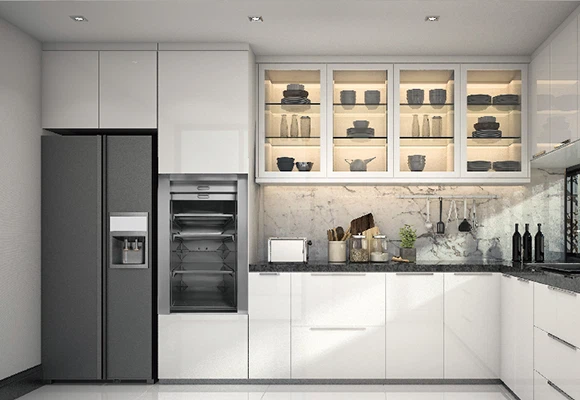
Under the strict guidelines of E-E-A-T, we present our certified production equipment and manufacturing steps ensuring ultimate structural reliability.
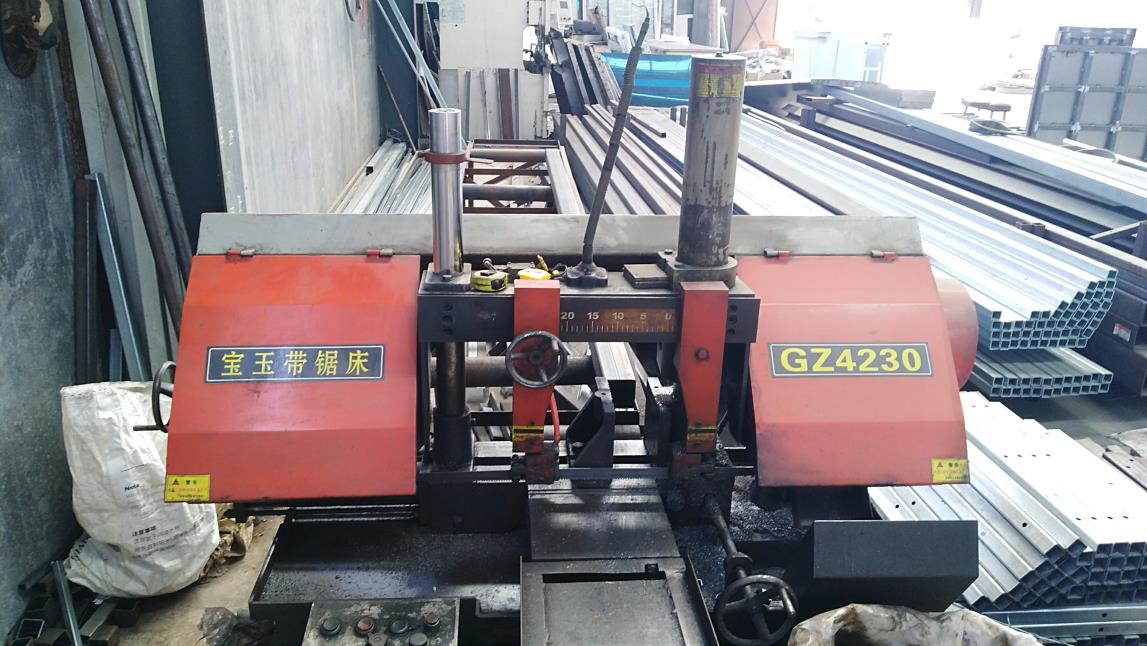
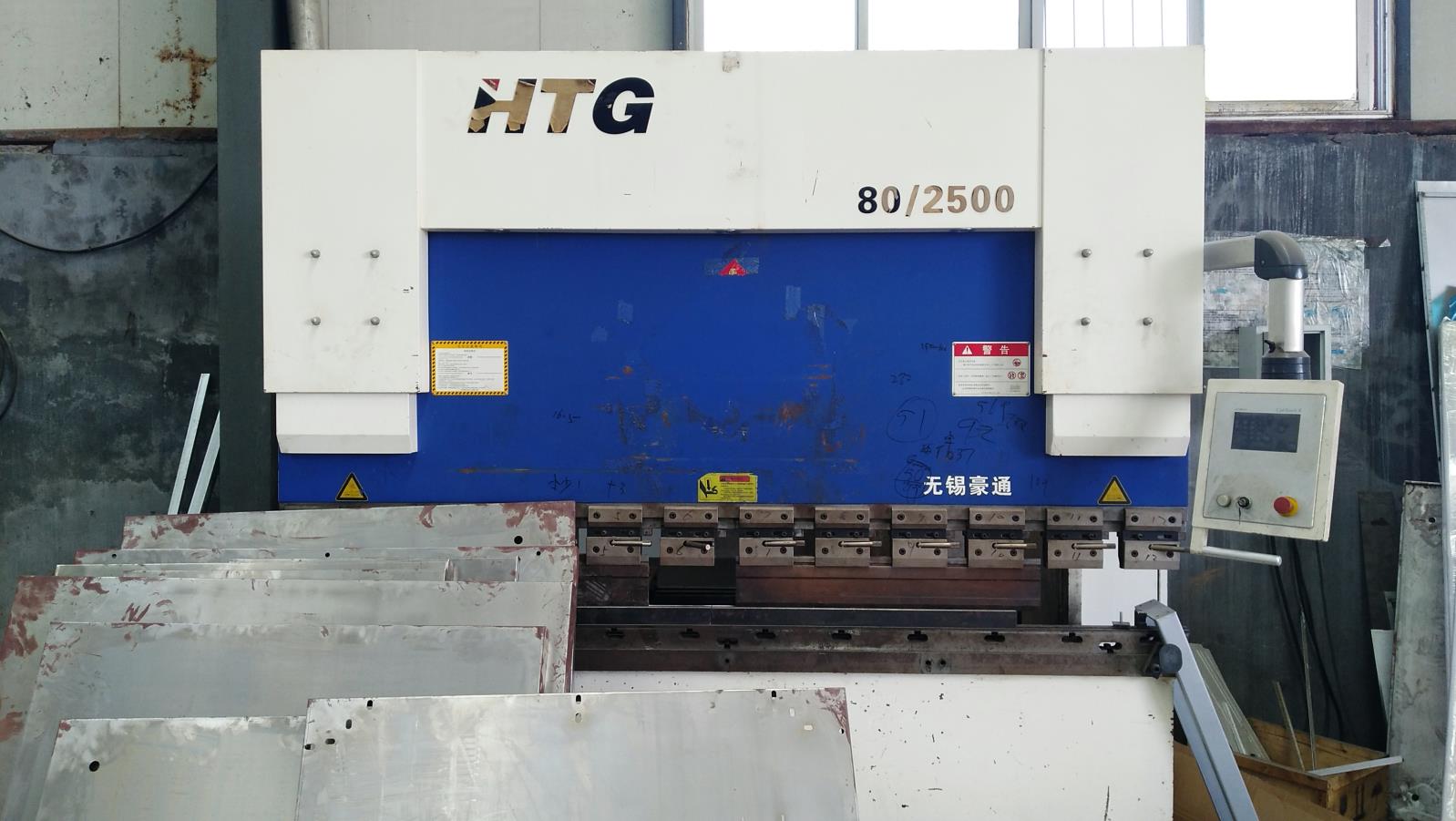
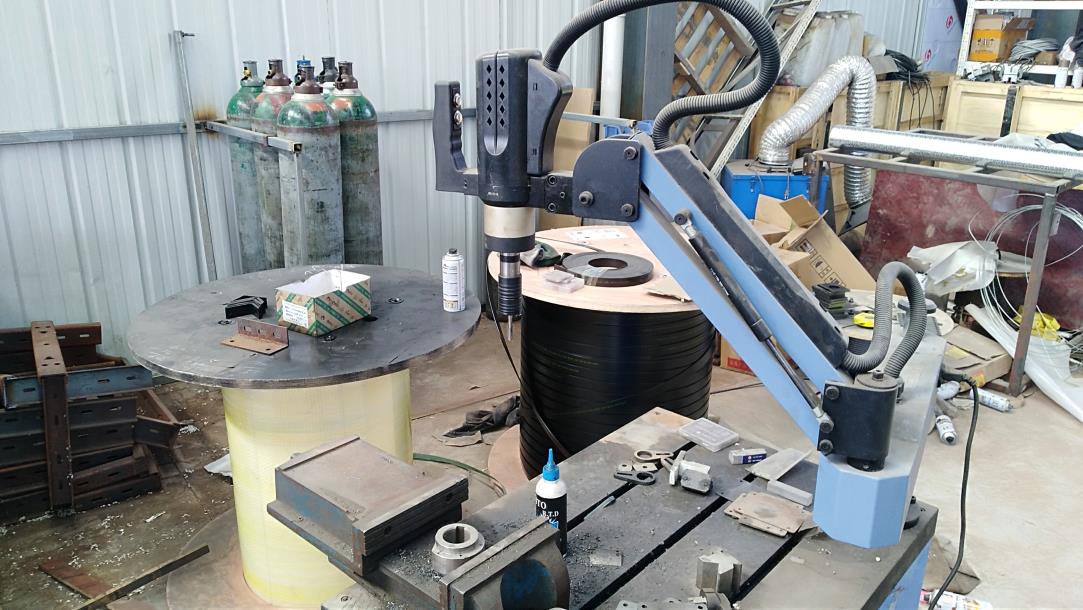
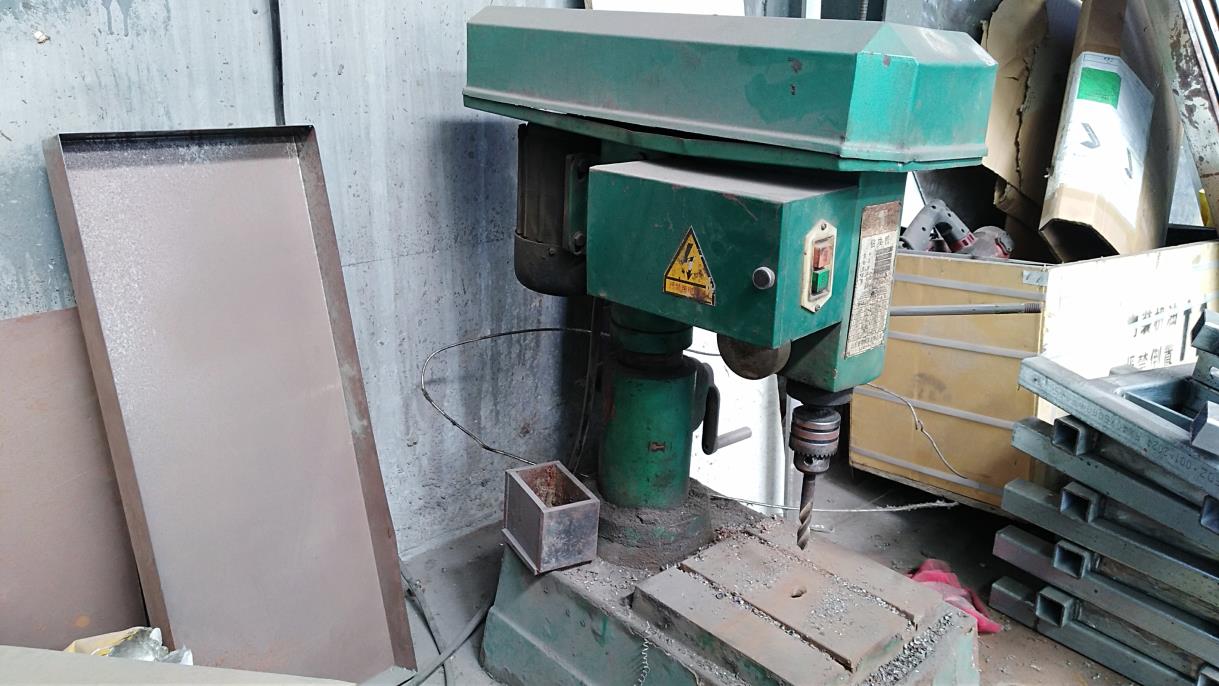
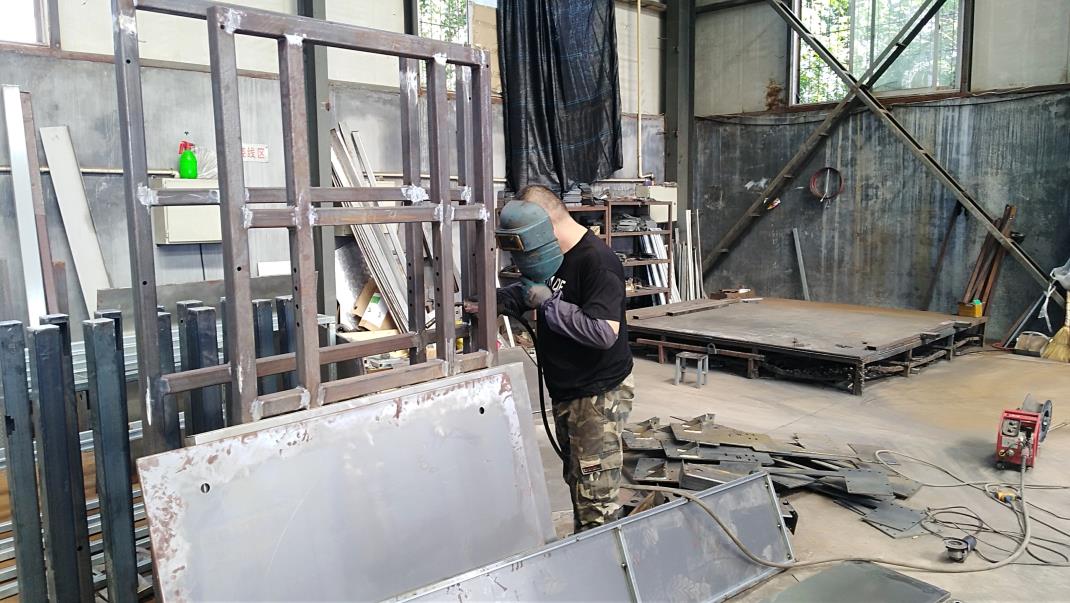
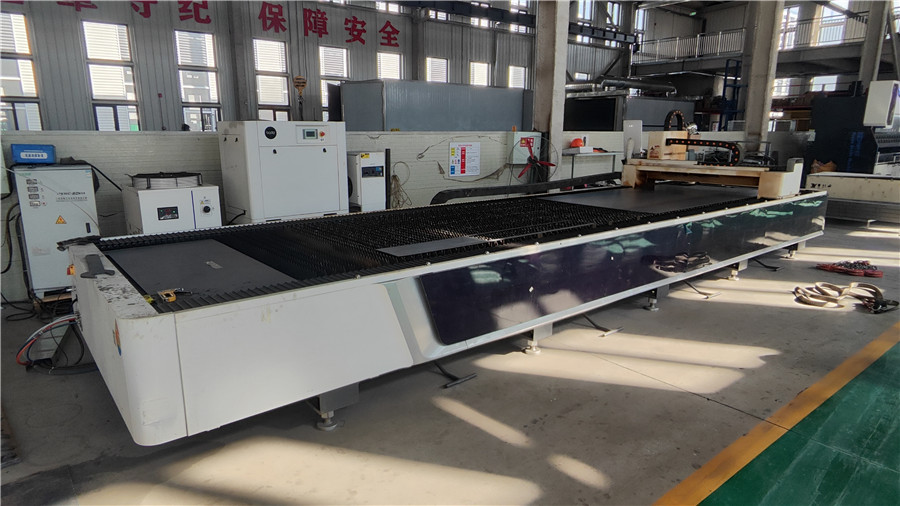
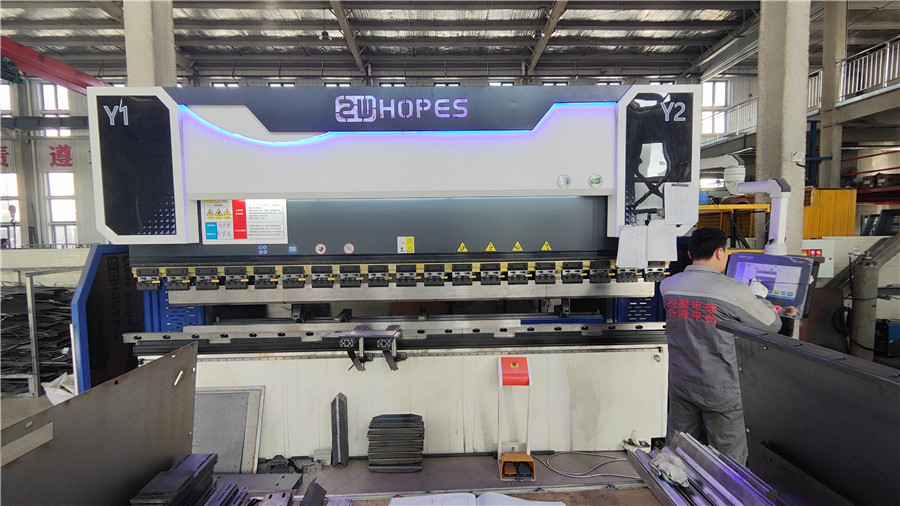
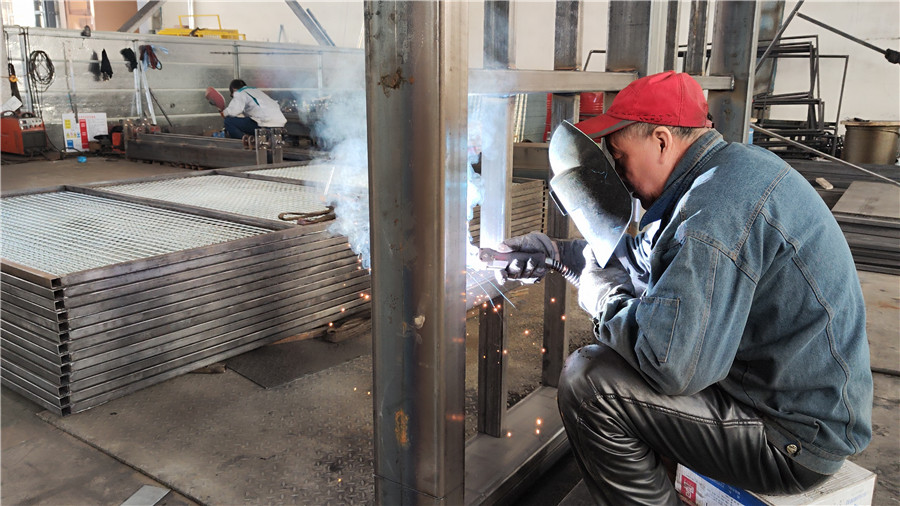
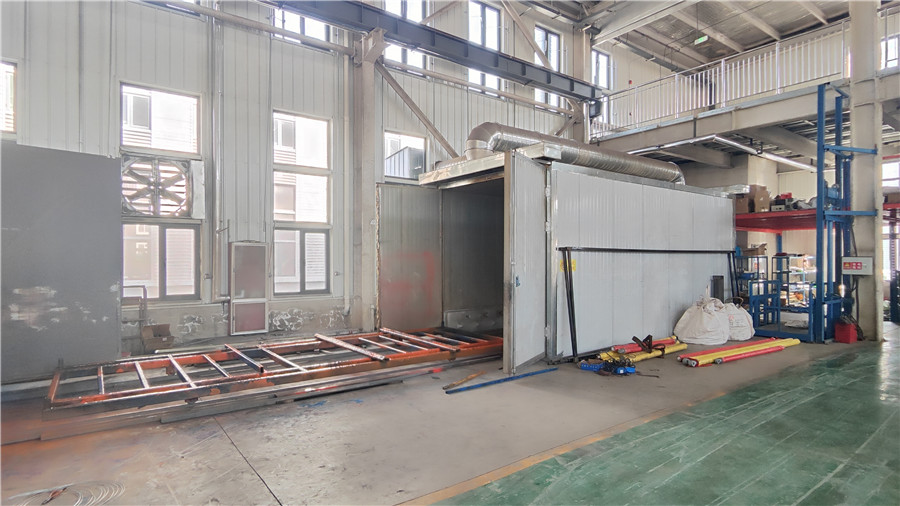
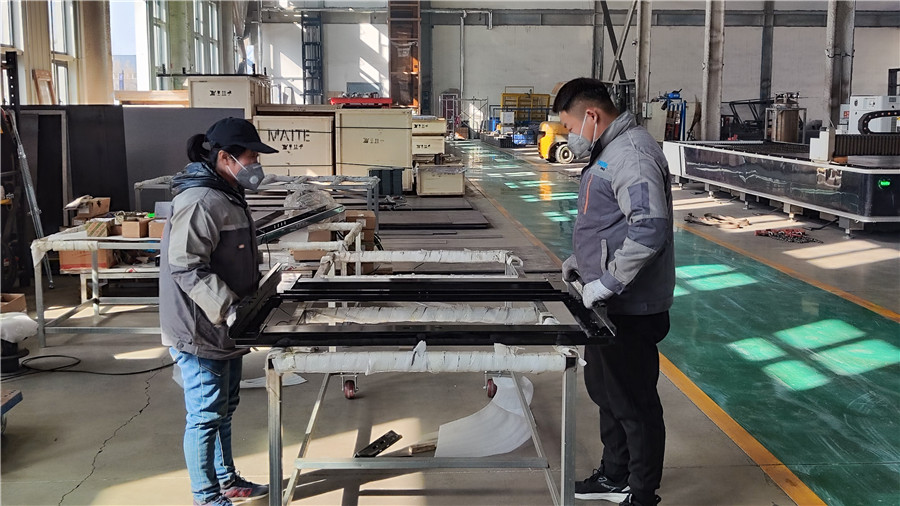
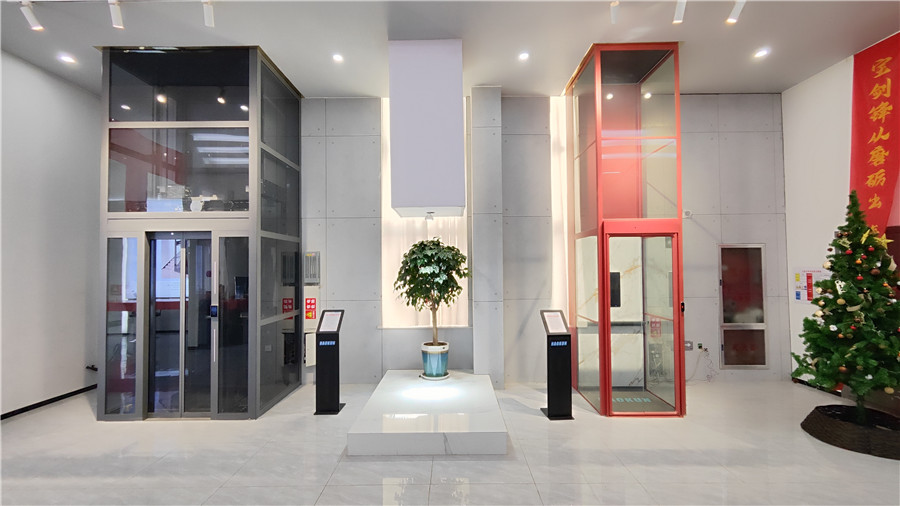
How specific industries configure lifting infrastructure to resolve critical transport issues.
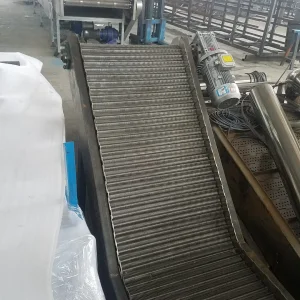
In chemical and paint processing lines, airborne combustible dust or flammable gases require specialized class-rated equipment. Implementing ATEX-certified explosion-proof slat chain elevators ensures that traction and mechanical friction cannot trigger ignition, preserving life and infrastructure in Zone 1 and Zone 2 environments.
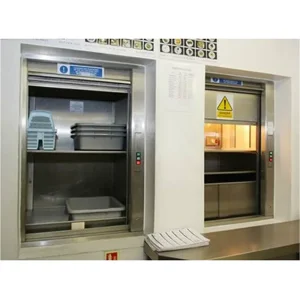
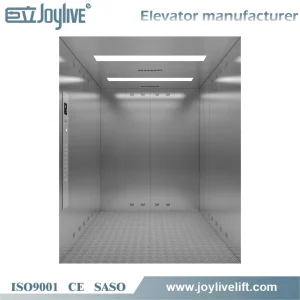
For stock replacement and high-throughput distribution, goods lifts like the Joylive 10,000kg Heavy Cargo Lift optimize retail floor replenishment rates. Robust structural designs handle off-center loads caused by motorized pallet jacks, eliminating deck warping and traction slippage.
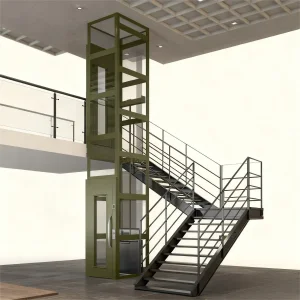
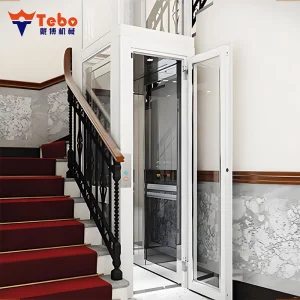
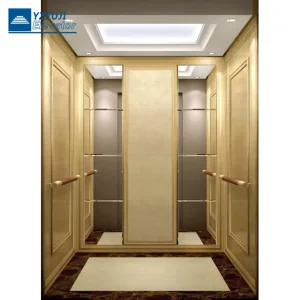
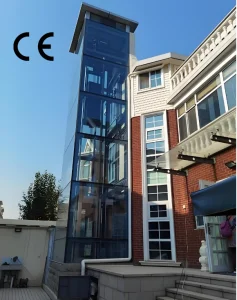
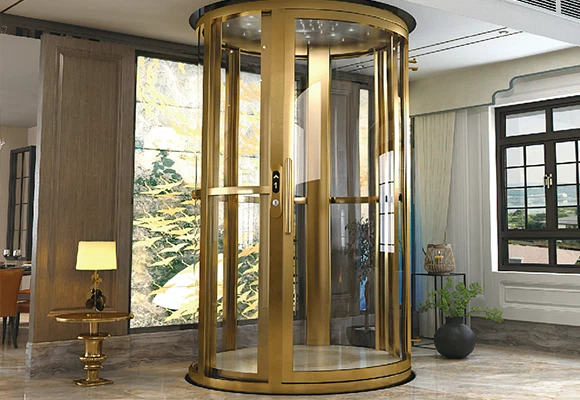
Urban real estate demands high-efficiency design. Custom machine-roomless (MRL) and shaftless home elevators offer the flexibility needed for private villas. By utilizing high-tensile link chains or compact hydraulic drives, installers can construct functional home elevators with minimal pit depths and zero overhead restrictions.
The shift towards smart, sustainable, and predictive hoisting technologies.
Modern chain lifts are transitioning from scheduled maintenance schemes to proactive predictive models. Vibration and thermal analysis sensors placed on the motor gearboxes and high-load bearings transmit real-time telemetry to cloud monitoring systems. Algorithms identify microscopic chain wear and gear misalignments, flagging them for maintenance before an operational failure occurs.
To reduce factory carbon footprints, modern installations incorporate regenerative VVVF (Variable Voltage Variable Frequency) controllers. During descent or braking operations, the elevator motor acts as a generator, feeding electricity back into the facility's power grid. This step can reduce energy consumption by up to 30% compared to traditional hydraulic or friction drive units.
Traditional steel chains require frequent lubrication, which can contaminate sanitary food-grade or high-tech cleanroom environments. The industry is rapidly adopting carbon fiber chains and synthetic link alloys that require zero external grease, offer higher tensile strengths, and operate silently under heavy continuous stress.
| Feature/Specification | Traditional Drive Chain Lifts | Next-Gen Smart Chain Lifts |
|---|---|---|
| Lubrication Frequency | Monthly / High Grease | Self-lubricating / Dry Alloys |
| Diagnostics Model | Reactive (Post-Breakdown) | Predictive (Real-Time IoT) |
| Energy Efficiency | Standard Power Consumption | Regenerative VVVF (Up to 30% saving) |
| Maximum Operating Noise | > 72 dB | < 58 dB |
| Average Asset Lifespan | 10-12 Years | 20+ Years with Smart Upgrades |
Crucial steps to evaluate, audit, and choose the correct manufacturing partner in China.
For international supply chain managers and project engineers, procuring customized lift infrastructure represents a long-term capital investment. Standardized catalog purchases rarely meet the unique architectural parameters of custom facilities. Buyers must evaluate the following key parameters:
Expert technical answers to common queries on chain lifts, industrial cargo elevators, and global shipping.
Engineered to withstand harsh operation environments, chemical processing lines, and vertical logistics tasks.