Vanguard Lift
Vanguard Lift
Vanguard Lift
Direct access to advanced vertical mobility and mechanical vertical transportation solutions engineered for healthcare, heavy logistics, and commercial projects.
In modern industrial and commercial architectures, the utilization of vertical space is no longer just an alternative; it is an absolute operational necessity. The rapid expansion of multi-tier distribution networks, automated storage systems, and urban healthcare complexes has driven unprecedented demand for high-efficiency Vertical Conveyors and Vertical Reciprocating Conveyors (VRCs). According to recent industrial data, the global material handling market is undergoing a structural transition toward integration: combining the mechanical robustness of freight elevator systems with the automated continuous flow of horizontal conveyor belts.
This authoritative industry guide explores the core technical methodologies that define leading vertical conveyor suppliers. We examine how engineering enterprises deploy structural steel, advanced programming logic controllers (PLCs), and variable frequency drives (VFDs) to deliver custom vertical transport systems. By understanding the mechanical limits, security parameters, and localized application frameworks, engineering decision-makers can select manufacturers that deliver not just equipment, but true operating capital improvements.
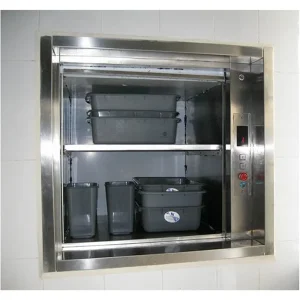
The macro-economic push toward automated warehouses (such as AS/RS systems) and urbanized multi-level processing facilities has highlighted vertical conveying as a key bottleneck or accelerator of material throughput. In regions with soaring industrial land costs, like Europe, East Asia, and major metro regions in North America, building *up* is the only viable path. Vertical conveyors facilitate this by bridging vertical distances with continuous or reciprocating vertical motion. Unlike standard passenger elevators, industrial VRCs are designed to lift heavy unit loads, palletized cargo, and bulk goods continuously under severe operational cycles.
A key focus for modern plant engineers is security and compliance. In hazardous environments like chemical processing and grain storage plants, standard mechanical lifts represent an ignition risk. Therefore, manufacturers are increasingly expected to comply with international standards such as ATEX certifications for explosion safety, and standard ASME/ANSI B20.1 safety standards for conveyors and related equipment. In residential and commercial sectors, the demand shifts toward comfort, low noise, and minimal pit requirements—sparking innovation in gearless traction lifts and hydraulic machine-roomless (MRL) technology.
Zhejiang Vanguard Lift Co., Ltd. is a professional elevator manufacturing and trading company based in Nanxun District, Huzhou City, Zhejiang Province, China. Nanxun is widely known as a major center of the elevator industry, where advanced manufacturing, leading component suppliers, and high-level technical talent are highly concentrated. Supported by this strong industrial environment, the company continuously promotes technological innovation and industrial upgrading.
The company is dedicated to providing integrated elevator solutions, covering design, manufacturing, sales, installation, and comprehensive after-sales service. With a strong focus on international markets, its products have been exported to more than 30 countries and regions across Asia, Europe, the Middle East, Africa, and South America, earning a solid reputation for reliability and performance.
Equipped with advanced production facilities and incorporating leading European, particularly German, technologies, the company ensures high precision, stability, and durability in its products. Strict quality control is implemented throughout the entire manufacturing process, enabling the company to consistently deliver safe and high-quality elevator solutions to its customers worldwide.
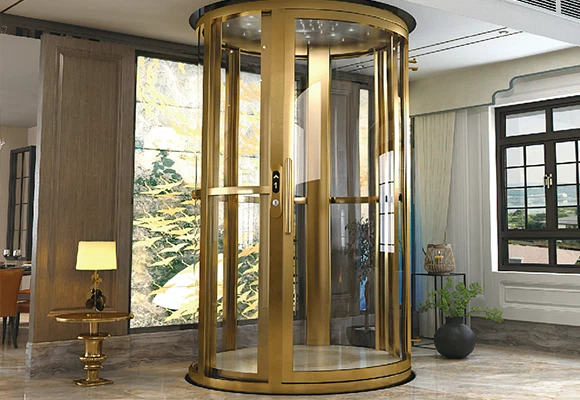
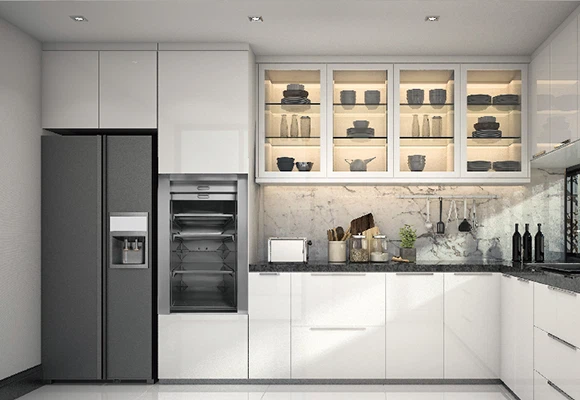
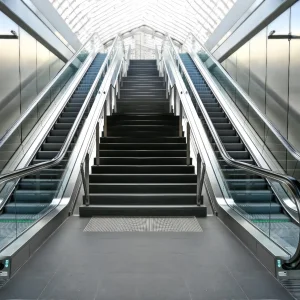
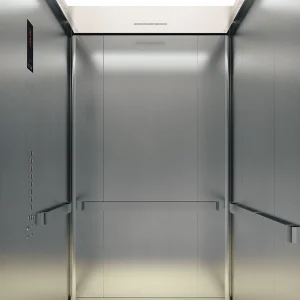
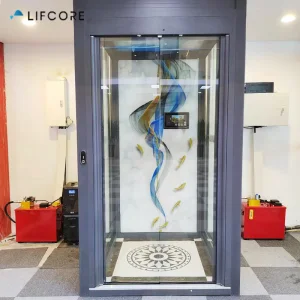
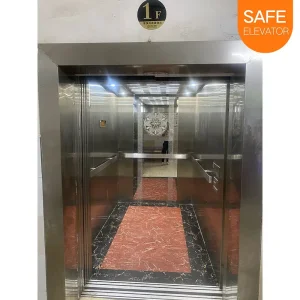
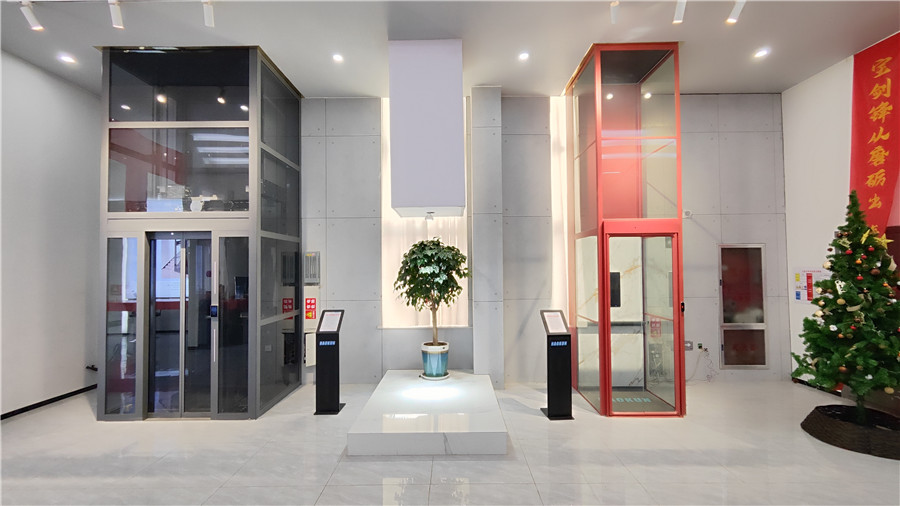
Zhejiang Vanguard Lift Co., Ltd. offers a wide range of products, including passenger elevators, home (villa) elevators, panoramic elevators, hospital elevators, freight elevators, car elevators, escalators, moving walkways, shopping cart escalators, as well as various elevator components and accessories. All products are designed and manufactured in accordance with modern standards of safety, energy efficiency, and user comfort, meeting the diverse needs of different applications.
Customization is one of the company’s key strengths. Before order placement, Zhejiang Vanguard Lift Co., Ltd. provides free project drawings and technical solutions tailored to specific project requirements, including shaft dimensions, floor height, machine room configuration, and cabin size. Each elevator is designed to suit the unique conditions of the building and the individual needs of the client. In addition, detailed English installation manuals are provided with every delivery to ensure smooth installation and operation.
Safety remains the core value of Zhejiang Vanguard Lift Co., Ltd. The company firmly believes that safety is an ongoing commitment rather than a final goal, and continuously works to enhance product safety and technological standards through innovation and improvement. Looking ahead, the company is committed to strengthening its global presence by delivering high-quality products, competitive solutions, and world-class service.
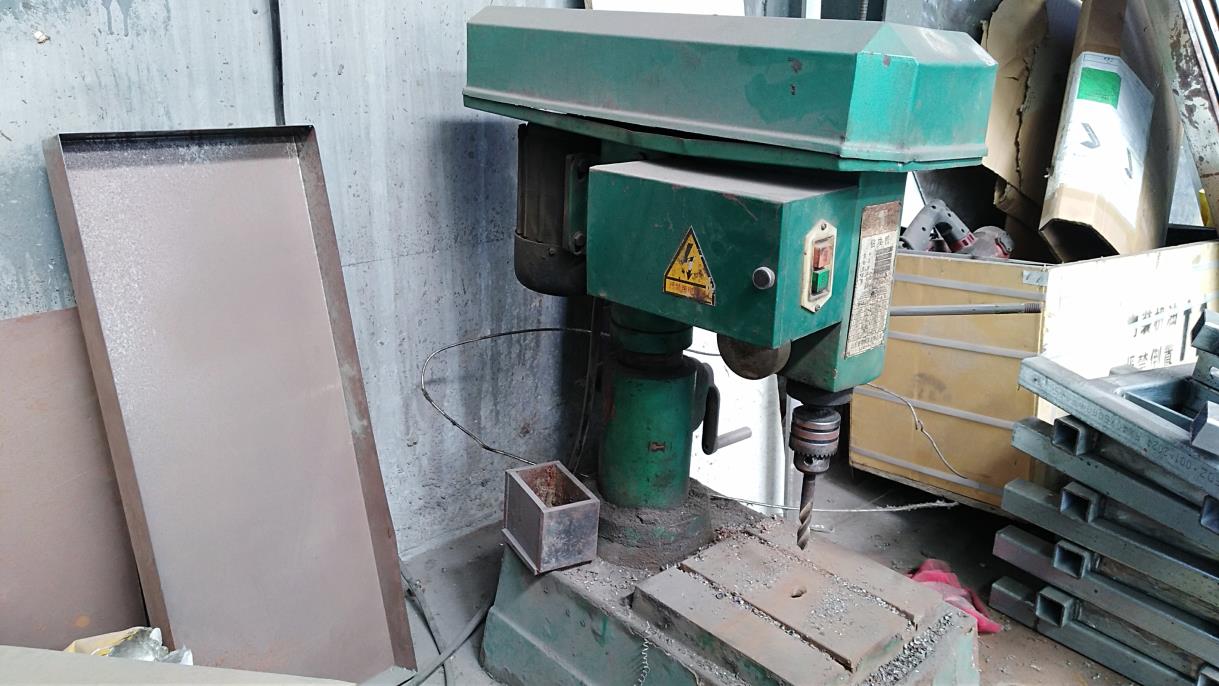
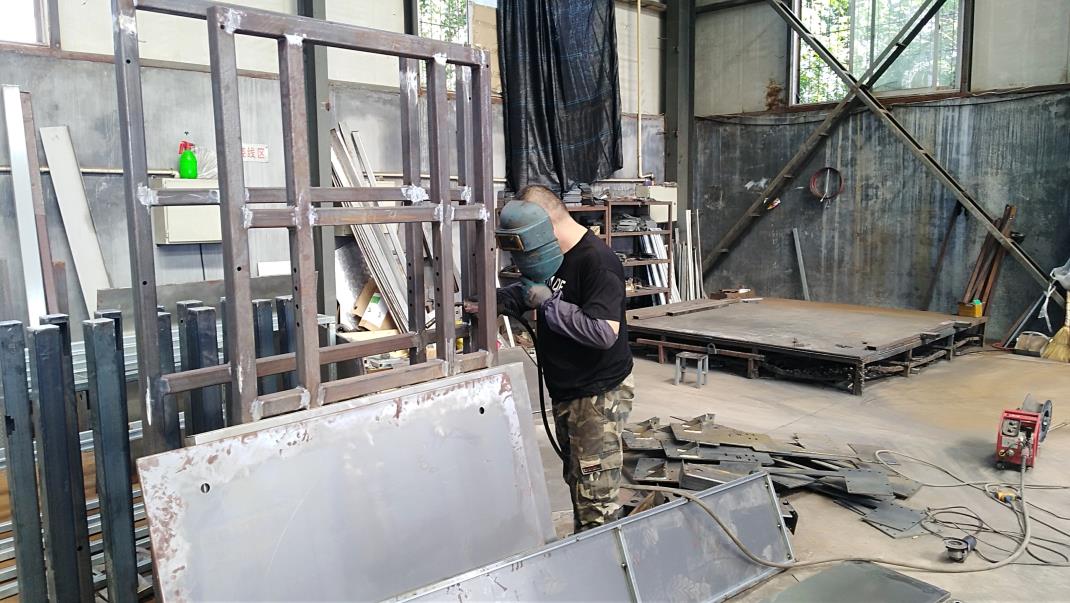
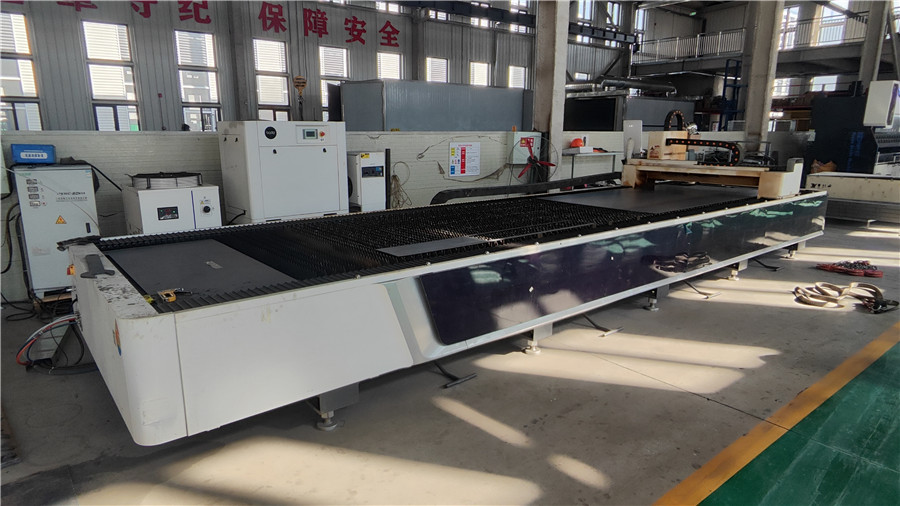
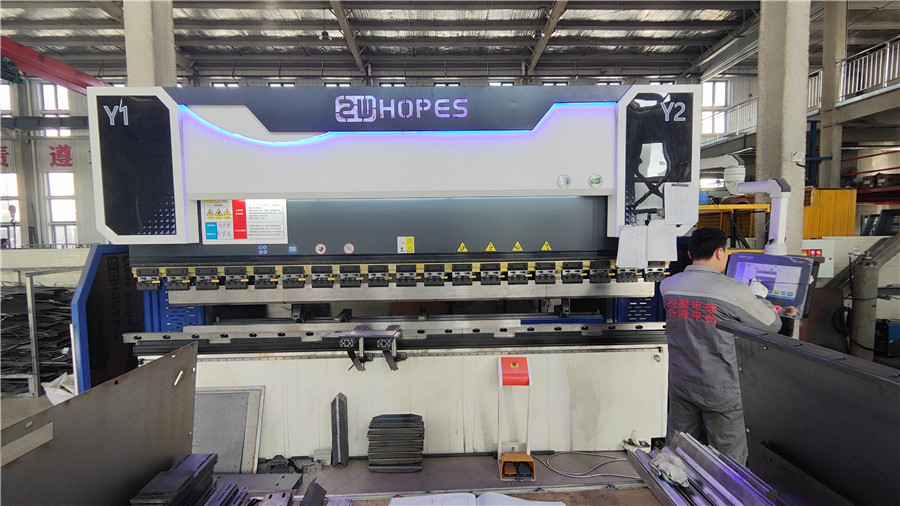
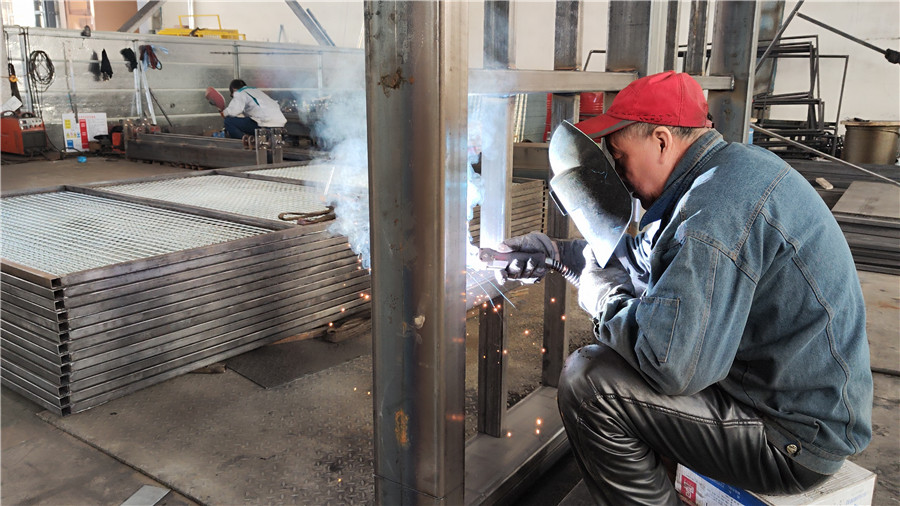
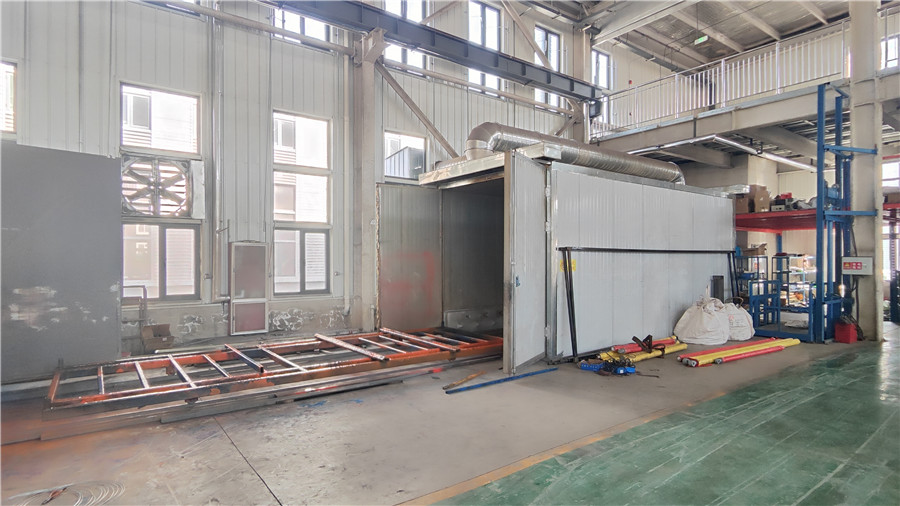
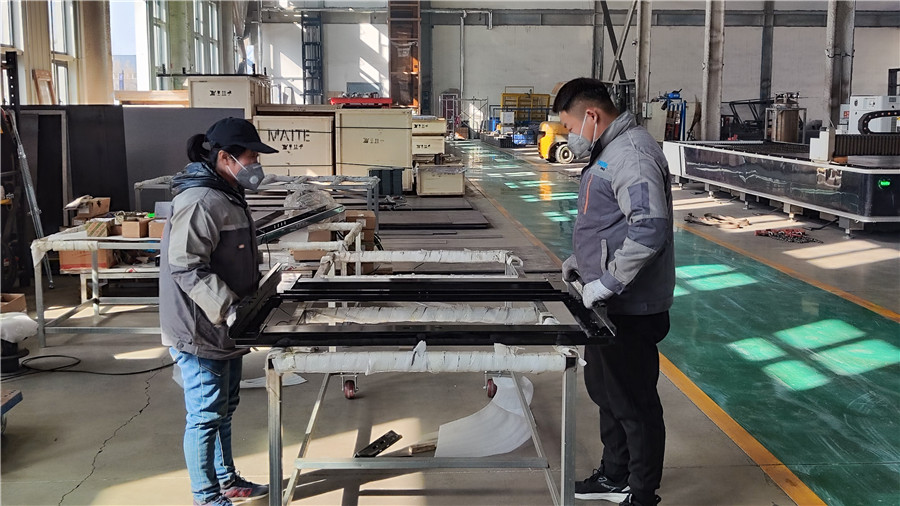
Ensuring structural integrity and mechanical reliability starts with advanced manufacturing engineering. Below is the structured production cycle applied to our industrial elevator and conveyor systems:
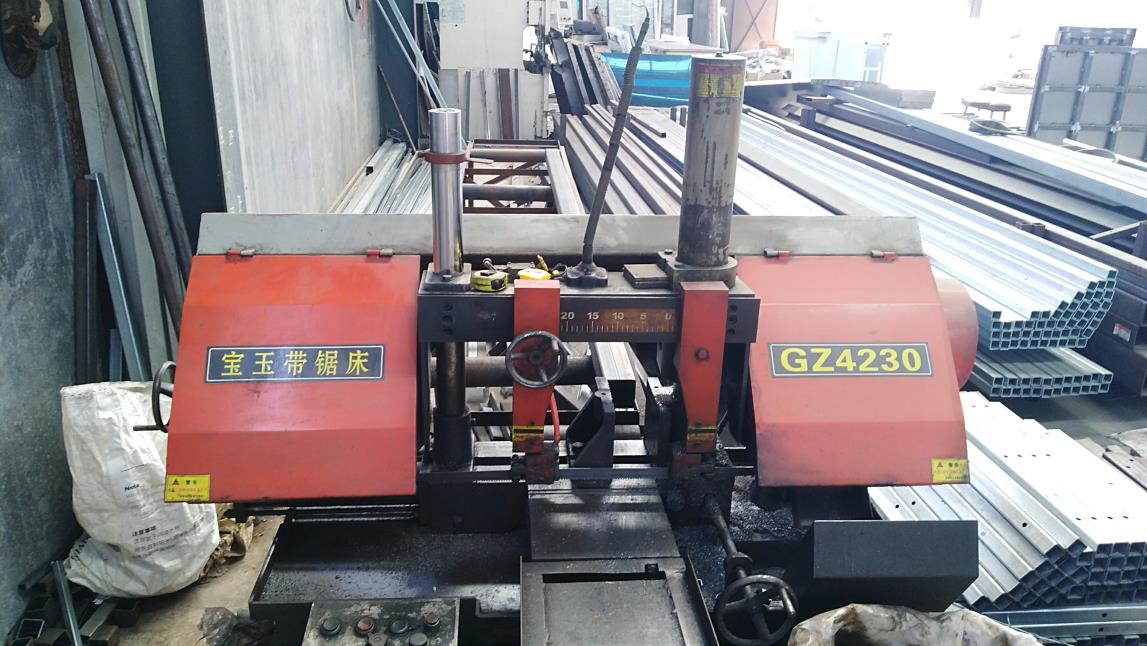
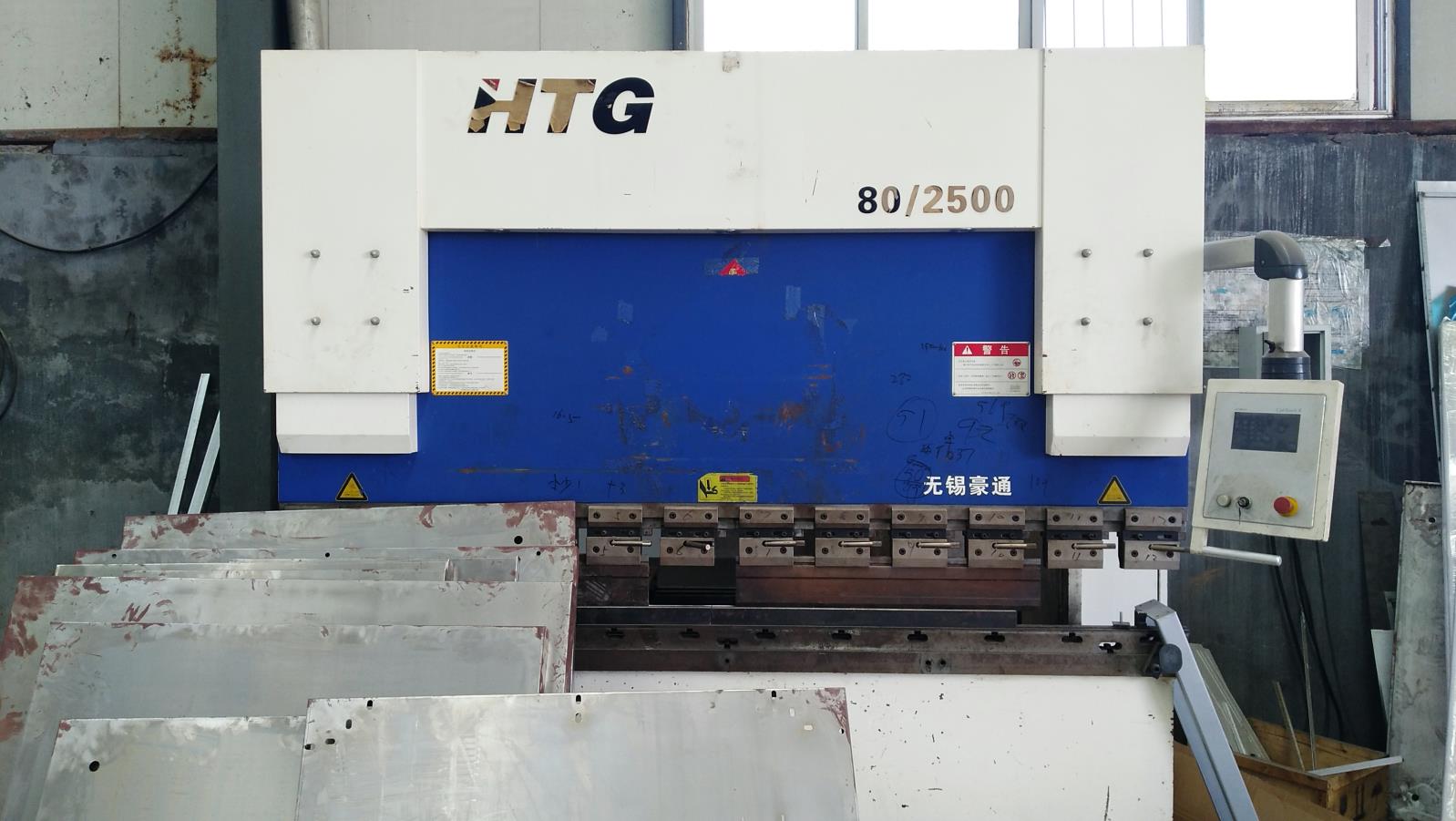
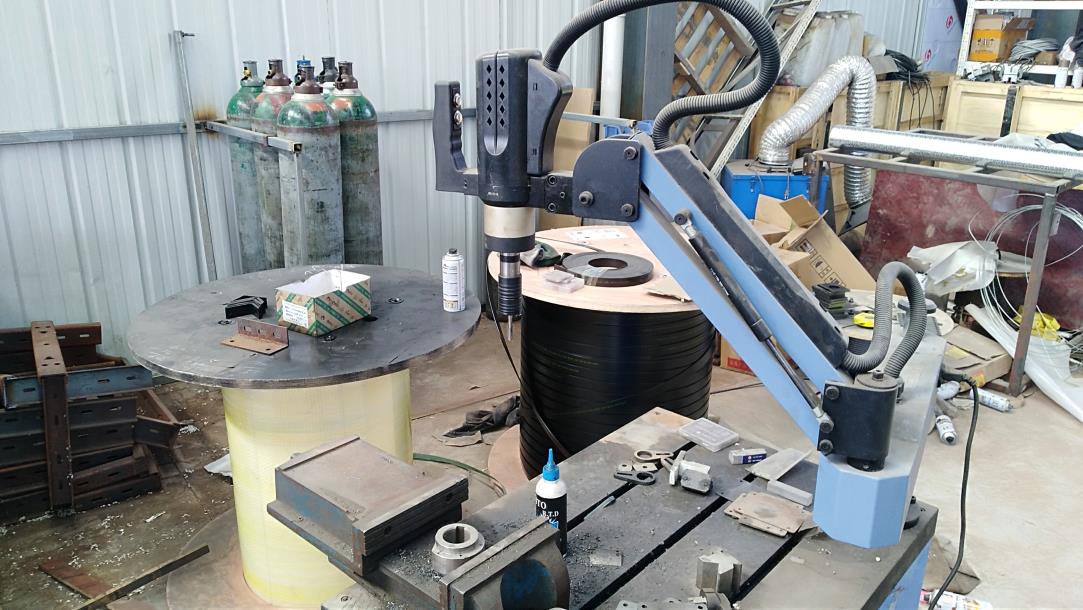
Procuring vertical transport infrastructure represents a multi-decade capital investment. To minimize lifecycle costs and ensure high operation uptime, procurement teams should evaluate suppliers against these four pillars:
Ensure the manufacturer uses premium structural steel (e.g., Q235 or Q345 grade). Heavy duty applications, such as Explosion Proof Slat Chain Elevators and 2000kg medical elevators, require reinforced guide rails and solid structural columns to eliminate mast sway and ensure long-term alignment.
Assess the drive system. Variable Voltage Variable Frequency (VVVF) motor drives are essential for passenger and patient applications to ensure smooth start-stop deceleration. For heavy materials, hydraulic systems provide robust, low-maintenance vertical thrust, while gearless traction technology offers up to 40% energy savings in continuous operations.
Modern vertical conveyors must communicate with Warehouse Control Systems (WCS) or Building Management Systems (BMS). Look for factories using standard PLC platforms (such as Siemens or Mitsubishi) and fieldbus protocols (like EtherNet/IP or Profinet) for easy sensor integration and remote status diagnostics.
A supplier’s safety certifications reflect their build quality. Verify the presence of mechanical safety gears, slack-rope/chain sensors, structural safety valves for hydraulic platforms, and specialized certifications (ATEX for dust/vapor zones, EN 81 for elevator designs, ASME B20.1 for conveyor operations).
Different industries demand targeted engineering philosophies. Here is how advanced conveyor and lift technologies translate to real-world operational scenarios:
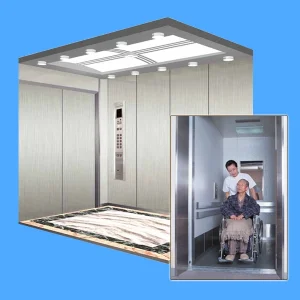
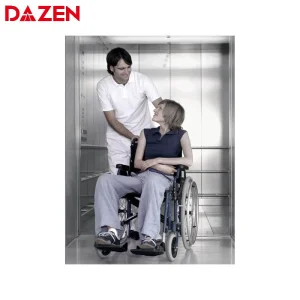
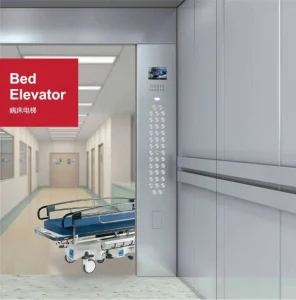
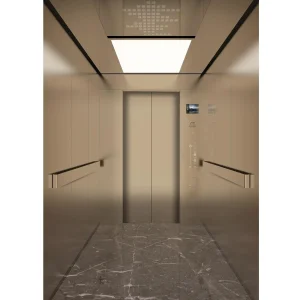
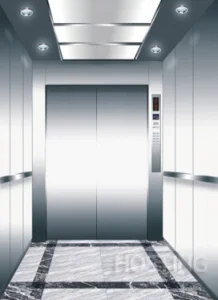
Hospitals operate under strict timing constraint models. Medical lifts must combine large physical volume (to accommodate bulky beds and intensive life-support devices) with extremely smooth horizontal acceleration. The integration of low-noise VVVF gearless traction drives ensures that patients under recovery are not subjected to dynamic shocks. Zhejiang Vanguard Lift's specialized medical elevators with 2000kg capacity represent this intersection of volume, safety, and operational precision.
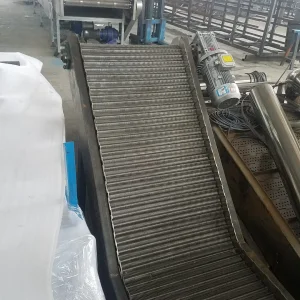
In locations dealing with refined chemicals, explosive powders, or petroleum derivatives, ordinary electrical contacts can trigger dust or gas explosions. Industrial plants require ATEX-certified mechanical handling systems. Specifying explosion-proof slat chain elevators isolates potential spark sources within flame-proof enclosures, ensuring compliance with local work-safety regulations and protecting plant personnel.
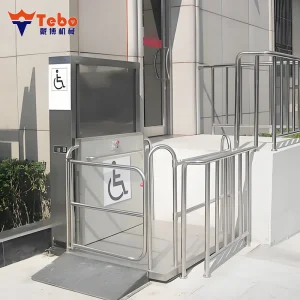
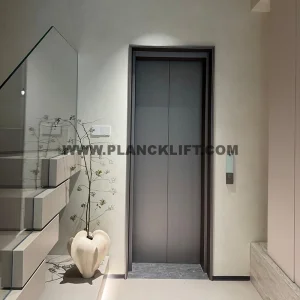
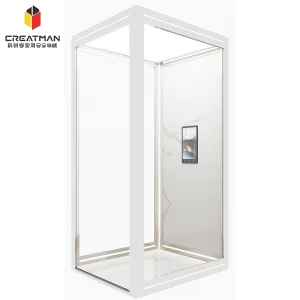
Modern home builders face localized zoning limitations and spatial constraints. Designing a high-performance private home elevator requires minimizing the construction footprint, often requiring pitless designs or ultra-shallow pits. Low-maintenance hydraulic solutions or compact gearless home lifts allow architects to preserve luxury aesthetic spaces while ensuring easy mobility for disabled occupants and seniors.
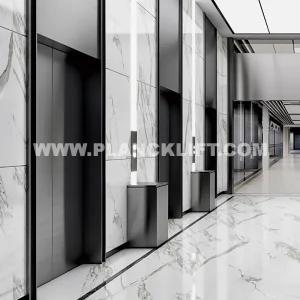
Airports, train terminals, and shopping complexes process tens of thousands of commuters daily. Moving walkways and transit-grade escalators must operate continuously under varying load profiles. Specifying high-efficiency moving walkways with low-incline profiles (such as 10-degree models) ensures rapid pedestrian throughput, reduced bottleneck delays, and enhanced urban accessibility.
The next decade of vertical conveying engineering will be characterized by digitalization, energy recovery, and AI-driven preventative maintenance models.
By fitting mechanical shafts and gearboxes with vibration and thermal sensors, control systems can predict component failures before they cause operational downtime. AI models calculate guide rail wear rates, motor load variances, and rope tension anomalies, scheduling maintenance automatically during non-peak operational windows.
When elevators or vertical conveyors travel down with heavy loads, the motor acts as a generator. Regenerative drives capture this kinetic energy, transforming it back into clean AC electricity and feeding it directly back into the facility's power grid. This reduces overall energy consumption by up to 35% in high-traffic commercial spaces.
Get expert engineering answers to common technical queries about VRCs, freight lifts, safety standards, and project customization.
Explore our secondary line of architectural transport, private villas elevators, high-capacity cargo lifts, and public terminal conveyors.