1 / 5
 Vanguard Lift
| Model NO. | BP20-MRL |
| Pkg | Wooden Box |
| Supply | 50sets/Mth |
| Transport Package | Standard Export Package |
| Specification | Standard |
| Origin | China |
| HS Code | 8428101090 |
| Production Capacity | 5000 Set/Year |
Modern elevators are mainly composed of traction machines (winches), guide rails, counterweight devices, safety devices (such as speed limiters, safety gears and buffers, etc.), signal control systems, cars and hall doors. These parts are respectively installed in the hoistway and machine room of the building. Steel wire rope friction transmission is usually used. The wire rope goes around the traction sheave, and the two ends are respectively connected to the car and the counterweight. The motor drives the traction sheave to lift the car up and down.
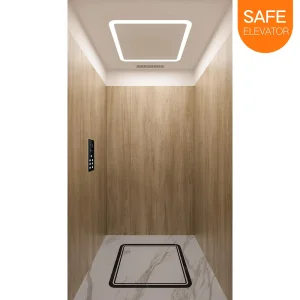
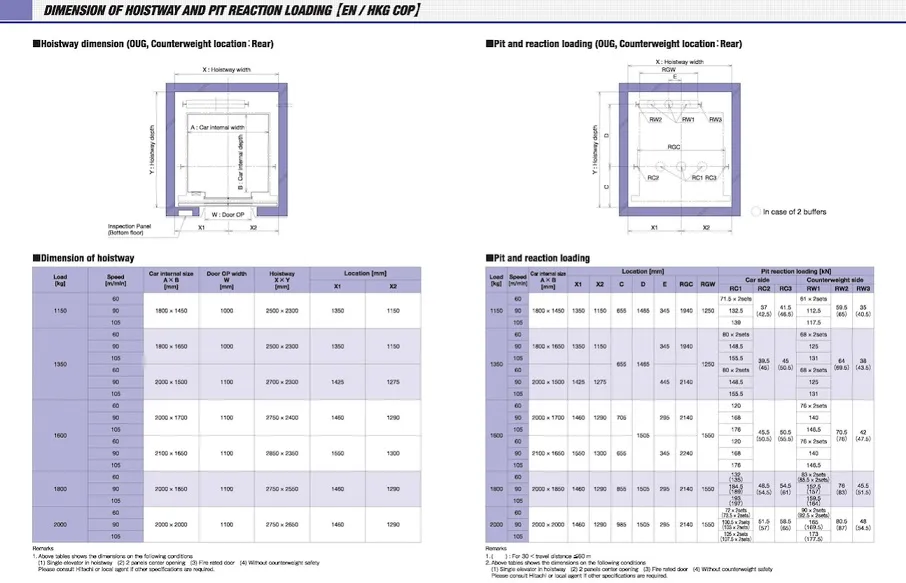
Elevators are required to be safe and reliable, with high conveying efficiency, accurate leveling and comfortable riding. The basic parameters of the elevator mainly include rated load capacity, number of passengers, rated speed, car outline size and shaft type, etc.
With advanced technologies, we have developed two non-conventional elevator models: the Machine room-less BP-2T Elevator and the Machine room-less BP-10T Elevator (for larger rated loads).
"Machine room-less-ness" means space can be utilized effectively and energy consumption is reduced. The rewarding benefits include:
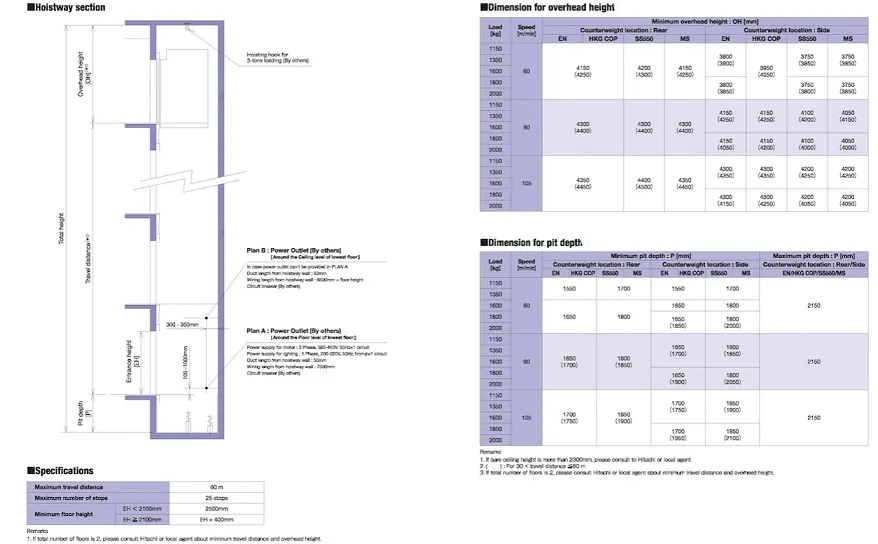
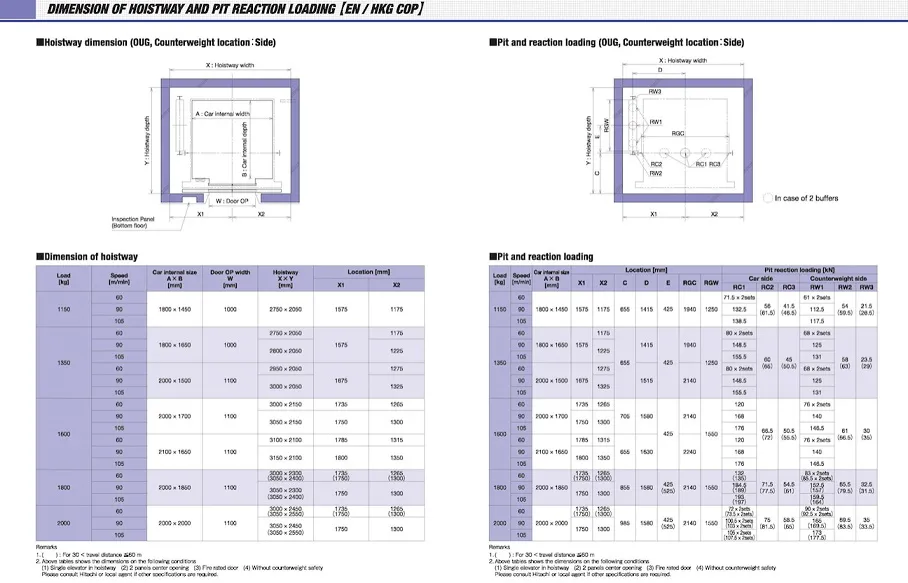
An MRL elevator is a modern design where the traction machine is installed directly in the hoistway, eliminating the need for a dedicated machine room on top of the building, which saves space and construction costs.
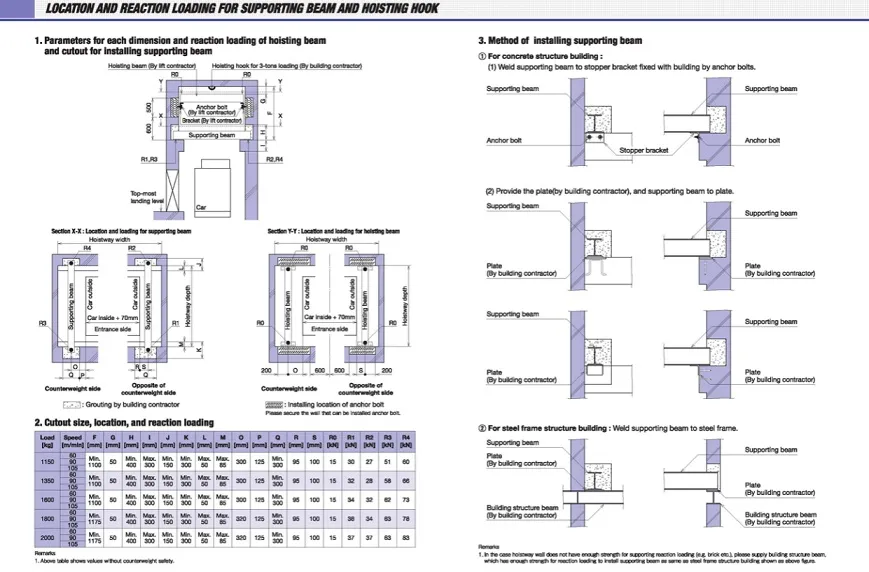
The system consists of traction machines (winches), guide rails, counterweight devices, safety devices (speed limiters, safety gears, buffers), signal control systems, the car, and hall doors.
These models maximize rentable space in buildings, reduce overall construction costs, and provide significant energy savings compared to traditional elevator systems.
It uses steel wire rope friction transmission. The wire rope loops around a traction sheave, connecting the car and counterweight. The motor rotates the sheave to move the car up and down.
Safety is ensured through speed limiters, safety gears, and buffers, which are designed to protect passengers and ensure reliable operation under various conditions.
Key parameters include the rated load capacity, the maximum number of passengers, rated speed, car outline dimensions, and the specific shaft type.